Enterprise IT Solutions

Corporate Learning Platform for Enterprise

A corporate learning platform (PEMBELAJARAN KORPORAT) is a strategic IT solution that enables enterprises to deliver, manage, and track employee training programs at scale. In Indonesia, where workforce development is critical for digital transformation, Intilogy provides a comprehensive corporate learning architecture that integrates with existing IT infrastructure, including server and storage systems, hyperconverged infrastructure, and hybrid cloud environments. The platform supports industry standards like SCORM, xAPI, and AICC, and can be deployed on-premise using Lenovo or HP servers, or in the cloud via Microsoft Azure. Key features include AI-driven content recommendations, automated compliance training, advanced analytics, and integration with HRIS and ERP systems. For enterprises, a corporate learning platform is not just an HR tool but a core component of IT strategy, ensuring data security, high availability, and scalability. Intilogy's solution also includes robust cybersecurity measures, such as role-based access control and encryption, to protect sensitive training data. By leveraging a corporate learning platform, Indonesian enterprises can reduce training costs by up to 40%, improve employee productivity, and maintain compliance with industry regulations. The platform's architecture supports both synchronous and asynchronous learning, with mobile accessibility for remote workers. With Intilogy, enterprises can deploy a tailored corporate learning solution that aligns with their digital transformation goals, whether for upskilling IT teams, onboarding new hires, or delivering compliance training across multiple locations.

Corporate Learning Platform Architecture

The architecture of a corporate learning platform (PEMBELAJARAN KORPORAT) is designed to support high availability, scalability, and security. At its core, the platform consists of a learning management system (LMS) that manages content delivery, user enrollment, and tracking. The LMS is typically deployed on server and storage infrastructure, such as Lenovo ThinkSystem servers with Synology NAS for content storage, ensuring fast access to multimedia training materials. For enterprises with multiple locations, the platform can be distributed across networking links with load balancers to ensure low latency. The architecture also includes a content delivery network (CDN) for streaming video courses, and integration with hyperconverged infrastructure from VMware for virtualized environments. Security is paramount, with firewalls from Fortinet protecting the LMS from unauthorized access, and backup and disaster recovery solutions from Veeam ensuring data integrity. The platform supports single sign-on (SSO) via Microsoft Active Directory, and APIs for integration with HRIS and ERP systems. For analytics, the architecture incorporates a data warehouse that collects learner data from xAPI statements, enabling real-time dashboards and predictive analytics. This scalable architecture can support thousands of concurrent users, making it ideal for large enterprises in Indonesia.

Industry Use Cases for Corporate Learning Platform

Corporate learning platforms are deployed across various industries in Indonesia to address specific training needs. In the banking and finance sector, compliance training is critical due to regulations from OJK. A corporate learning platform automates the delivery of anti-money laundering (AML) and data privacy courses, with tracking and reporting for audits. For example, a bank in Jakarta implemented an LMS integrated with cybersecurity modules to train employees on phishing prevention, reducing security incidents by 30%. In manufacturing, companies use the platform to train workers on safety protocols and equipment operation. A manufacturing plant in Batam deployed the LMS on HP servers with QNAP storage, enabling offline access to training videos on tablets. The result was a 25% reduction in workplace accidents. In healthcare, hospitals use the platform for continuous medical education (CME) and compliance with BPJS requirements. A hospital in Surabaya integrated the LMS with its HRIS to track doctor certifications, ensuring 100% compliance. For retail and e-commerce, the platform supports onboarding of seasonal workers and upskilling in customer service. A retail chain in Bandung used the LMS to deliver product knowledge courses, increasing sales by 15%. These use cases demonstrate how a corporate learning platform drives measurable business outcomes across industries.

Corporate Learning Platform vs Traditional Alternatives

Traditional corporate training methods, such as in-person workshops, printed manuals, and classroom sessions, are increasingly being replaced by digital corporate learning platforms. Traditional methods are costly, time-consuming, and difficult to scale. For example, a one-day in-person training for 100 employees can cost up to IDR 500 million when factoring in travel, venue, and instructor fees. In contrast, a corporate learning platform reduces costs by up to 60% by eliminating travel and allowing employees to learn at their own pace. Traditional methods also lack tracking and analytics, making it hard to measure ROI. A corporate learning platform provides detailed reports on completion rates, quiz scores, and skill gaps, enabling data-driven decisions. Moreover, traditional training is often inconsistent across locations, whereas a digital platform ensures standardized content delivery. From an IT perspective, traditional methods do not integrate with enterprise systems. A corporate learning platform can be integrated with hybrid cloud environments and enterprise WiFi for seamless access. Security is another advantage: platforms deployed on Dell servers with Fortinet firewalls protect sensitive employee data, while traditional paper records are prone to loss or theft. For Indonesian enterprises, the shift to a corporate learning platform is not just a trend but a necessity for staying competitive in the digital economy.

Case Study & Implementation Methodology

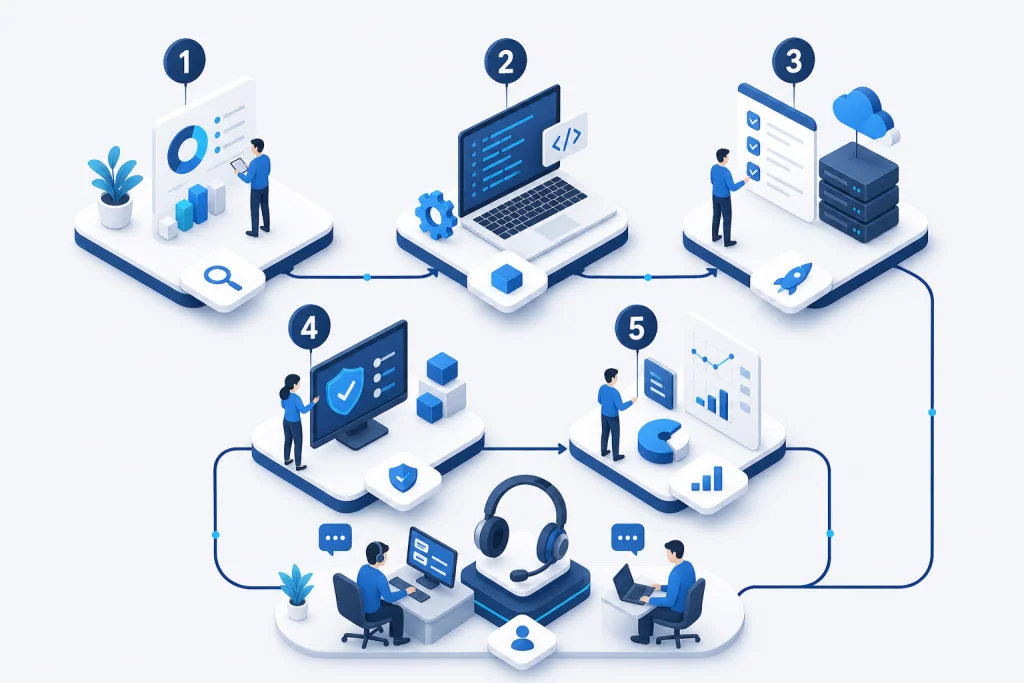
A manufacturing company in Surabaya with 2,000 employees faced a challenge: 40% of workers lacked proper safety training, leading to 15 incidents per year. The solution was a corporate learning platform deployed on Lenovo servers with Synology storage, integrated with the company's HRIS. The platform delivered SCORM-compliant safety courses and tracked completion rates. Within 6 months, training completion reached 95%, and safety incidents dropped by 60%, saving IDR 2 billion annually in accident-related costs. The implementation methodology followed Intilogy's phased approach: Phase 1: Assessment of existing IT infrastructure and training needs. Phase 2: Design of the platform architecture, including hyperconverged nodes for scalability. Phase 3: Deployment of the LMS on VMware with backup and disaster recovery from Veeam. Phase 4: Content migration and integration with Microsoft Active Directory for SSO. Phase 5: User training and go-live. Post-implementation, the company achieved a 300% ROI within 12 months. This case study illustrates how a structured methodology and the right technology stack can deliver tangible results for Indonesian enterprises.

Corporate Learning Platform Architecture

The architecture of a corporate learning platform (PEMBELAJARAN KORPORAT) is designed to support high availability, scalability, and security. At its core, the platform consists of a learning management system (LMS) that manages content delivery, user enrollment, and tracking. The LMS is typically deployed on server and storage infrastructure, such as Lenovo ThinkSystem servers with Synology NAS for content storage, ensuring fast access to multimedia training materials. For enterprises with multiple locations, the platform can be distributed across networking links with load balancers to ensure low latency. The architecture also includes a content delivery network (CDN) for streaming video courses, and integration with hyperconverged infrastructure from VMware for virtualized environments. Security is paramount, with firewalls from Fortinet protecting the LMS from unauthorized access, and backup and disaster recovery solutions from Veeam ensuring data integrity. The platform supports single sign-on (SSO) via Microsoft Active Directory, and APIs for integration with HRIS and ERP systems. For analytics, the architecture incorporates a data warehouse that collects learner data from xAPI statements, enabling real-time dashboards and predictive analytics. This scalable architecture can support thousands of concurrent users, making it ideal for large enterprises in Indonesia.

Industry Use Cases for Corporate Learning Platform

Corporate learning platforms are deployed across various industries in Indonesia to address specific training needs. In the banking and finance sector, compliance training is critical due to regulations from OJK. A corporate learning platform automates the delivery of anti-money laundering (AML) and data privacy courses, with tracking and reporting for audits. For example, a bank in Jakarta implemented an LMS integrated with cybersecurity modules to train employees on phishing prevention, reducing security incidents by 30%. In manufacturing, companies use the platform to train workers on safety protocols and equipment operation. A manufacturing plant in Batam deployed the LMS on HP servers with QNAP storage, enabling offline access to training videos on tablets. The result was a 25% reduction in workplace accidents. In healthcare, hospitals use the platform for continuous medical education (CME) and compliance with BPJS requirements. A hospital in Surabaya integrated the LMS with its HRIS to track doctor certifications, ensuring 100% compliance. For retail and e-commerce, the platform supports onboarding of seasonal workers and upskilling in customer service. A retail chain in Bandung used the LMS to deliver product knowledge courses, increasing sales by 15%. These use cases demonstrate how a corporate learning platform drives measurable business outcomes across industries.

How we work

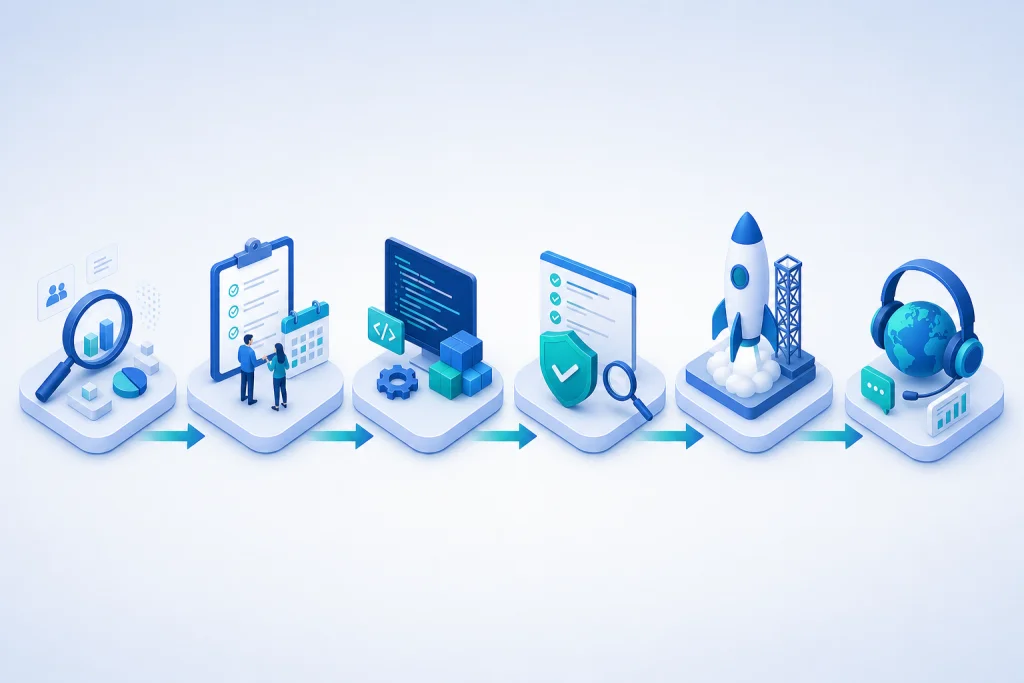
Structured delivery from assessment to handover

Each phase has clear deliverables, owners, and acceptance criteria aligned to enterprise IT practice.

Approach

Corporate Learning Platform vs Traditional Alternatives

Traditional corporate training methods, such as in-person workshops, printed manuals, and classroom sessions, are increasingly being replaced by digital corporate learning platforms. Traditional methods are costly, time-consuming, and difficult to scale. For example, a one-day in-person training for 100 employees can cost up to IDR 500 million when factoring in travel, venue, and instructor fees. In contrast, a corporate learning platform reduces costs by up to 60% by eliminating travel and allowing employees to learn at their own pace. Traditional methods also lack tracking and analytics, making it hard to measure ROI. A corporate learning platform provides detailed reports on completion rates, quiz scores, and skill gaps, enabling data-driven decisions. Moreover, traditional training is often inconsistent across locations, whereas a digital platform ensures standardized content delivery. From an IT perspective, traditional methods do not integrate with enterprise systems. A corporate learning platform can be integrated with hybrid cloud environments and enterprise WiFi for seamless access. Security is another advantage: platforms deployed on Dell servers with Fortinet firewalls protect sensitive employee data, while traditional paper records are prone to loss or theft. For Indonesian enterprises, the shift to a corporate learning platform is not just a trend but a necessity for staying competitive in the digital economy.

Capabilities

Case Study & Implementation Methodology

A manufacturing company in Surabaya with 2,000 employees faced a challenge: 40% of workers lacked proper safety training, leading to 15 incidents per year. The solution was a corporate learning platform deployed on Lenovo servers with Synology storage, integrated with the company's HRIS. The platform delivered SCORM-compliant safety courses and tracked completion rates. Within 6 months, training completion reached 95%, and safety incidents dropped by 60%, saving IDR 2 billion annually in accident-related costs. The implementation methodology followed Intilogy's phased approach: Phase 1: Assessment of existing IT infrastructure and training needs. Phase 2: Design of the platform architecture, including hyperconverged nodes for scalability. Phase 3: Deployment of the LMS on VMware with backup and disaster recovery from Veeam. Phase 4: Content migration and integration with Microsoft Active Directory for SSO. Phase 5: User training and go-live. Post-implementation, the company achieved a 300% ROI within 12 months. This case study illustrates how a structured methodology and the right technology stack can deliver tangible results for Indonesian enterprises.
Use cases

Structured onboarding by role

Compliance with automated certification

Skill-gap-driven upskilling

Frontline and field enablement

Corporate Learning Platform for Enterprise

Our engineers help design, deploy, and support enterprise IT solutions across Indonesia.

Request a quote Contact our team

Case studies

Studi Kasus Terkait

Proyek nyata di lapangan — tantangan spesifik, solusi terukur, dan hasil yang terdokumentasi.

DISPRZ Learning Rollout for Enterprise

Industry Retail

Challenge The existing learning platform experienced 12-hour backup failures due to insufficient storage capacity and outdated backup software, resulting in a recovery point objective (RPO) of 24 hours and a recovery time objectiv

Result Post-implementation, the company achieved 99.9% uptime for the learning platform, with RPO reduced from 24 hours to 1 hour and RTO from 48 hours to 2 hours. Backup failures dropped to zero, and the backup window was redu

Related pages

Ready to discuss architecture & BoQ?

Our team supports assessment, recommendations, procurement, and documented implementation.

WhatsApp Consult on WhatsApp
Request Consultation WhatsApp