Hybrid Cloud Solution Architecture
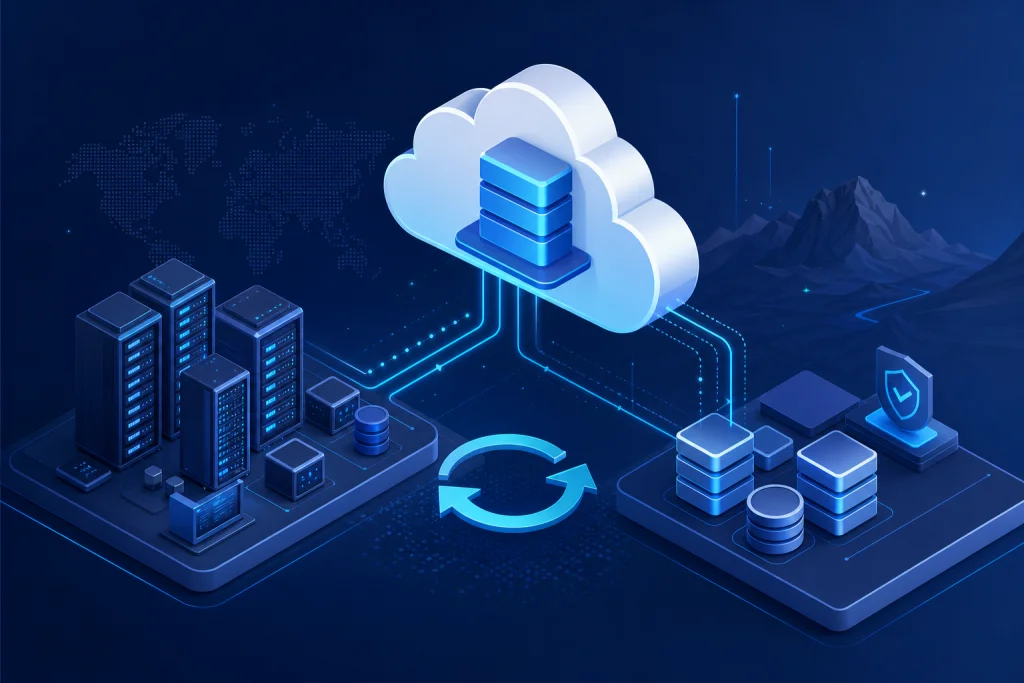
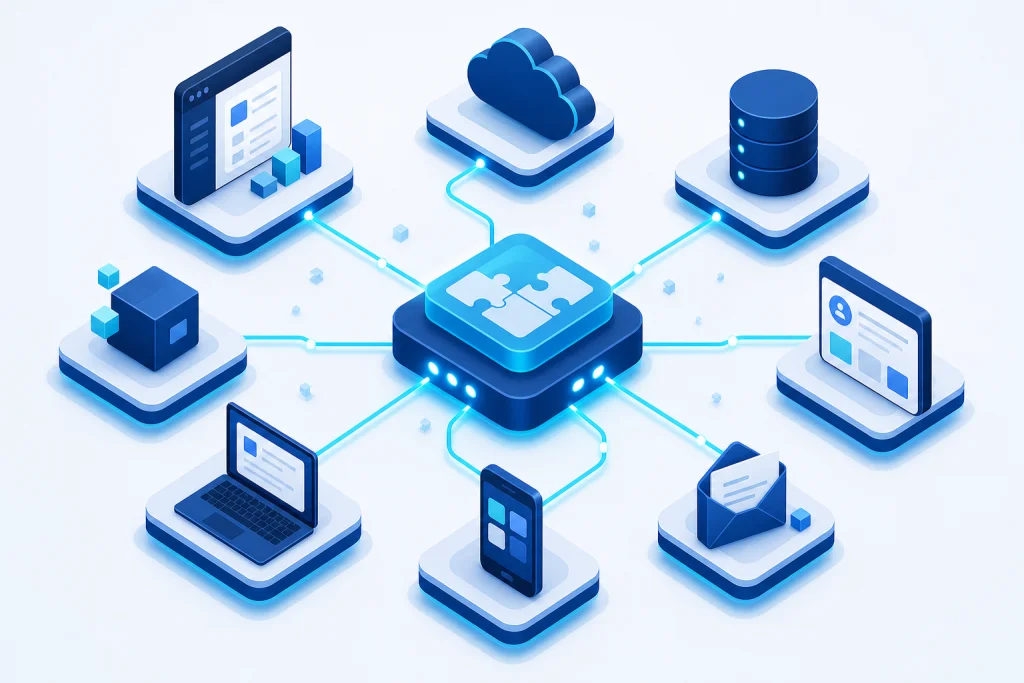
A robust hybrid cloud architecture for Indonesian enterprises typically comprises on-premises data centers equipped with Lenovo or Dell servers, Cisco networking, and Synology or QNAP storage, integrated with public cloud services via high-speed VPN or direct connect. The core components include a hypervisor layer (e.g., VMware vSphere) that abstracts compute resources, a software-defined networking (SDN) fabric for policy-based traffic management, and a cloud management platform (CMP) like Azure Arc or VMware Cloud Foundation. This setup enables workload portability, where applications can be migrated seamlessly between on-prem and cloud without re-architecting. For data protection, Veeam provides backup and replication across environments, ensuring business continuity. The architecture also incorporates cybersecurity measures such as firewall appliances from Fortinet and identity management via Microsoft Active Directory, creating a unified security perimeter.
Key design considerations include network latency optimization through edge caching, data sovereignty compliance by keeping sensitive data on-prem, and cost governance via automated scaling policies. For example, a manufacturing firm in Jakarta might run real-time IoT analytics on local hyperconverged infrastructure while using AWS for AI model training. This hybrid model reduces egress costs and ensures low-latency operations critical for industrial automation.
Industry Use Cases for Hybrid Cloud Solution
Hybrid cloud solutions are transforming industries across Indonesia by addressing specific operational needs. In financial services, banks in Jakarta use hybrid cloud to run core banking systems on-premises for low latency and regulatory compliance, while leveraging public cloud for fraud detection and customer analytics. For example, a bank may deploy server and storage from Lenovo for transactional databases and use Azure Machine Learning for real-time risk assessment. In healthcare, hospitals in Surabaya store patient records on Synology NAS devices for fast local access, while using cloud-based AI for diagnostic imaging. Retail enterprises in Bandung adopt hybrid cloud to manage inventory across warehouses using on-premise IT infrastructure and cloud-based e-commerce platforms during peak seasons. Manufacturing companies in Batam deploy hybrid cloud for predictive maintenance, collecting sensor data on local HCI nodes and processing it in the cloud to reduce latency and bandwidth costs.
Another critical use case is disaster recovery (DR). Enterprises can replicate critical VMs from on-prem VMware environments to cloud providers like AWS using backup and disaster recovery solutions from Veeam, achieving recovery time objectives (RTOs) of minutes. This is particularly valuable for Indonesian companies facing natural disaster risks, ensuring business continuity without the cost of a secondary data center.
Hybrid Cloud Solution vs Traditional Alternatives
Traditional on-premises infrastructure offers full control and predictable performance but requires significant capital expenditure (CapEx) and lacks elasticity. In contrast, public cloud provides scalability and pay-as-you-go pricing but can lead to high operational costs (OpEx) and data egress fees. Hybrid cloud bridges these gaps by allowing enterprises to keep steady-state workloads on dedicated HP or Dell servers while bursting to cloud for peak demand. For example, a logistics company in Jakarta can run its warehouse management system on local networking and servers, and scale up cloud resources during holiday seasons. Compared to a fully public cloud approach, hybrid reduces latency for local users and ensures data residency compliance, which is critical for regulated industries in Indonesia. Additionally, hybrid cloud offers better cost predictability: enterprises can reserve on-prem capacity for baseline loads and use cloud spot instances for variable workloads, optimizing overall TCO.
Another comparison is with multi-cloud, which involves multiple public clouds without on-prem integration. Hybrid cloud provides a unified management plane (e.g., via VMware) that simplifies operations and security policy enforcement. For Indonesian enterprises with existing investments in Cisco networking and Fortinet firewalls, hybrid cloud leverages these assets rather than requiring a complete overhaul. The result is a gradual migration path that minimizes disruption and maximizes ROI.
Case Study & Implementation Methodology
Financial Services Company in Jakarta, Indonesia: Challenge: The company faced 40% annual growth in transaction volume, causing on-prem servers to reach 90% CPU utilization during peak hours, with 15-minute latency for fraud detection. Legacy backup took 8 hours, risking data loss. Solution: Deployed a hybrid cloud using Lenovo ThinkSystem SR650 for core banking, VMware vSphere for virtualization, and Veeam for backup to Azure. Implemented cybersecurity with Fortinet FortiGate firewalls. Result: 60% reduction in peak CPU usage, fraud detection latency dropped to 2 seconds, backup time reduced to 30 minutes, and annual IT cost savings of 25%.
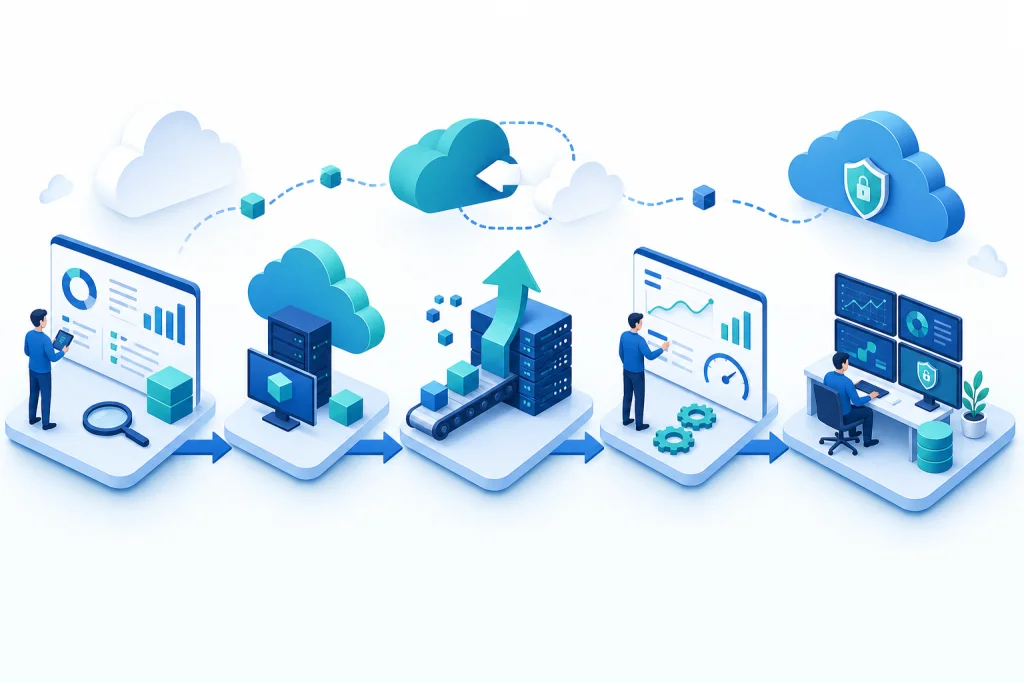
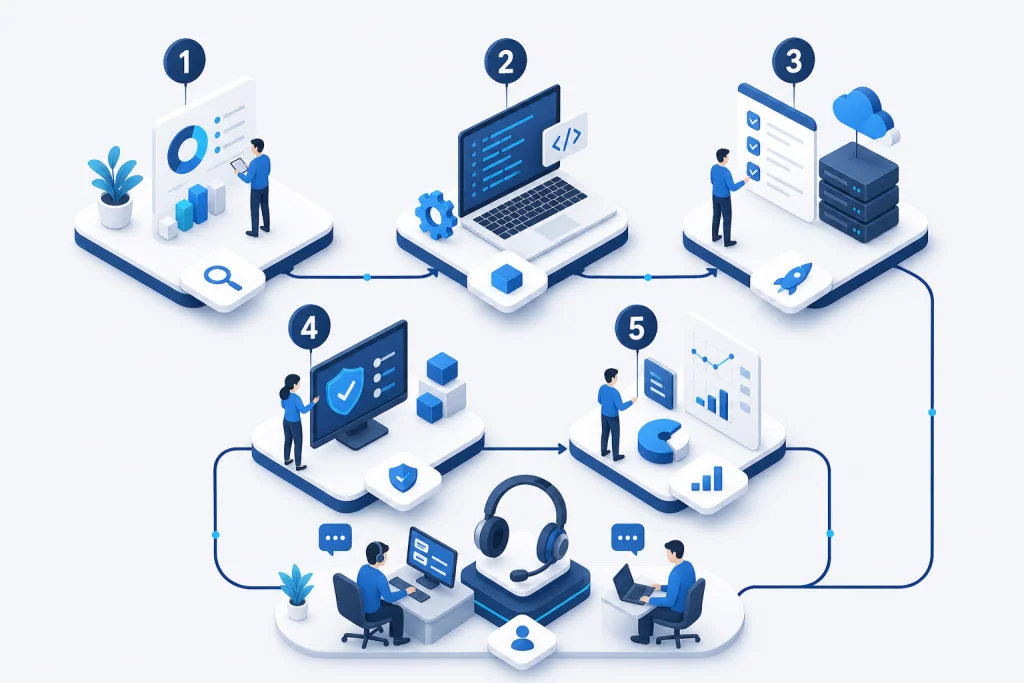
Implementation Methodology: Phase 1: Assessment of workloads and compliance requirements. Phase 2: Design of hybrid architecture with IT infrastructure from Dell and Cisco. Phase 3: Pilot migration of non-critical apps to cloud using Microsoft Azure. Phase 4: Full deployment with automated scaling and DR testing. Phase 5: Optimization using cost analytics and performance monitoring. This methodology ensures minimal downtime and measurable ROI, with typical payback period under 18 months.