HP Z Workstation Engineering Architecture
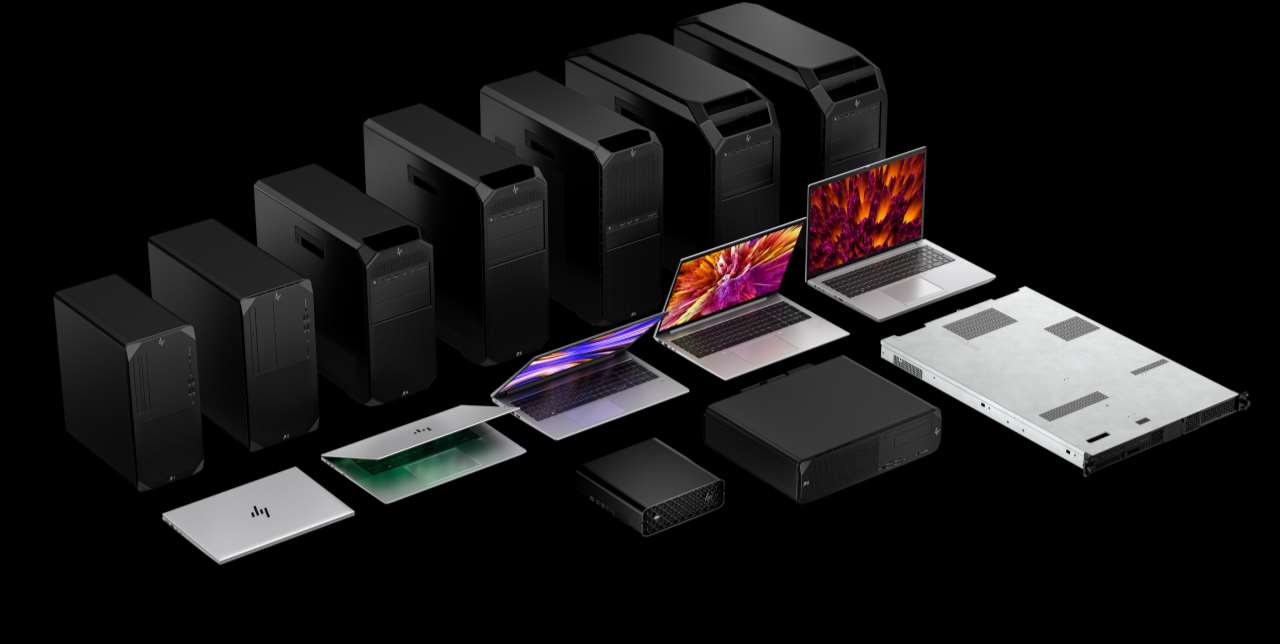
The architecture of HP Z Workstation Engineering is built on a foundation of scalability and redundancy. Each workstation supports dual Intel Xeon processors with up to 56 cores, enabling parallel processing for multi-threaded applications. The memory subsystem utilizes DDR5 ECC RAM with capacities up to 1TB, ensuring error-free computations for critical simulations. Storage is handled via NVMe SSDs in RAID configurations, providing read speeds exceeding 7GB/s for large datasets. The GPU options include NVIDIA RTX A6000 or AMD Radeon Pro W6800, delivering real-time ray tracing and AI acceleration for rendering and machine learning tasks. The chassis features a tool-less design for easy maintenance, with liquid cooling options for silent operation under full load. Connectivity includes Thunderbolt 4, 10GbE, and Wi-Fi 6E for seamless integration into enterprise networks. HP ZCentral Remote Boost enables low-latency remote access, allowing teams to collaborate from anywhere. This architecture is optimized for HP ecosystem synergy with Lenovo storage arrays and Synology NAS for backup, ensuring data resilience.
The platform also supports hardware-based security features like HP Sure Start and HP Sure Recover, which automatically restore BIOS and OS integrity in case of attacks. For Indonesian enterprises requiring high availability, the HP Z series can be clustered with hyperconverged infrastructure to create a private cloud for engineering workloads. The power supply units are 80 PLUS Platinum certified, ensuring energy efficiency and reduced operational costs. With support for up to 4 displays at 8K resolution, engineers can visualize complex models without compromise.
Industry Use Cases for HP Z Workstation Engineering
In the oil and gas sector, HP Z workstations are deployed for seismic data processing and reservoir simulation. For example, a Jakarta-based energy company reduced simulation time by 40% using HP Z8 with NVIDIA A6000 GPUs, enabling faster decision-making for drilling operations. In automotive manufacturing, HP Z workstations handle crash test simulations and aerodynamic modeling. A Surabaya automotive parts supplier used HP Z4 for finite element analysis, cutting prototype iterations by 30%. The architecture and construction industry benefits from real-time 3D rendering and BIM modeling. A Bandung architectural firm achieved photorealistic walkthroughs in minutes with HP Z6, improving client presentations. For media and entertainment, HP Z workstations power 4K/8K video editing and VFX. A Jakarta animation studio rendered complex scenes 50% faster than previous systems, enabling tighter deadlines. In education and research, universities use HP Z for AI and deep learning training, leveraging the workstation's GPU compute capabilities for neural network models. These use cases demonstrate the versatility of HP Z Workstation Engineering across Indonesian enterprises.
The healthcare sector also employs HP Z workstations for medical imaging analysis, such as MRI and CT scan reconstruction. A hospital in Jakarta accelerated diagnostic imaging processing by 60%, improving patient throughput. In the defense industry, HP Z workstations are used for simulation and training, ensuring mission-critical reliability. The modular design allows for field upgrades, extending the lifecycle of the investment. With backup and disaster recovery integration, enterprises can safeguard intellectual property and maintain business continuity.
HP Z Workstation Engineering vs Traditional Alternatives
Traditional alternatives such as consumer-grade PCs or standard servers often lack the specialized hardware and certifications required for engineering software. Consumer PCs may use non-ECC memory, leading to data corruption in long simulations, and lack ISV certifications, causing software instability. Standard servers, while robust, are not optimized for single-user interactive workloads, resulting in higher latency and lower GPU performance. HP Z workstations bridge this gap with certified drivers for over 200 engineering applications, ensuring 100% compatibility. Compared to cloud-based virtual workstations, HP Z offers lower latency for real-time interaction and predictable costs without data egress fees. For Indonesian enterprises with limited internet bandwidth, on-premise HP Z workstations provide consistent performance. Additionally, the total cost of ownership over 5 years is often lower than cloud subscriptions when factoring in utilization rates. The Dell Precision series is a competitor, but HP Z workstations offer superior thermal management and modularity. Cisco networking integration ensures low-latency data transfer in enterprise environments.
Another alternative is using gaming PCs, but they lack the reliability and support for 24/7 operation. HP Z workstations undergo rigorous testing for vibration, shock, and temperature extremes, ensuring uptime in harsh industrial environments. With HP's global warranty and on-site service in Indonesia, enterprises minimize downtime. The ability to scale with hyperconverged infrastructure allows seamless expansion as workloads grow. In summary, HP Z Workstation Engineering provides a dedicated, certified, and resilient solution that outperforms traditional alternatives in both performance and total cost of ownership.
Case Study & Implementation Methodology
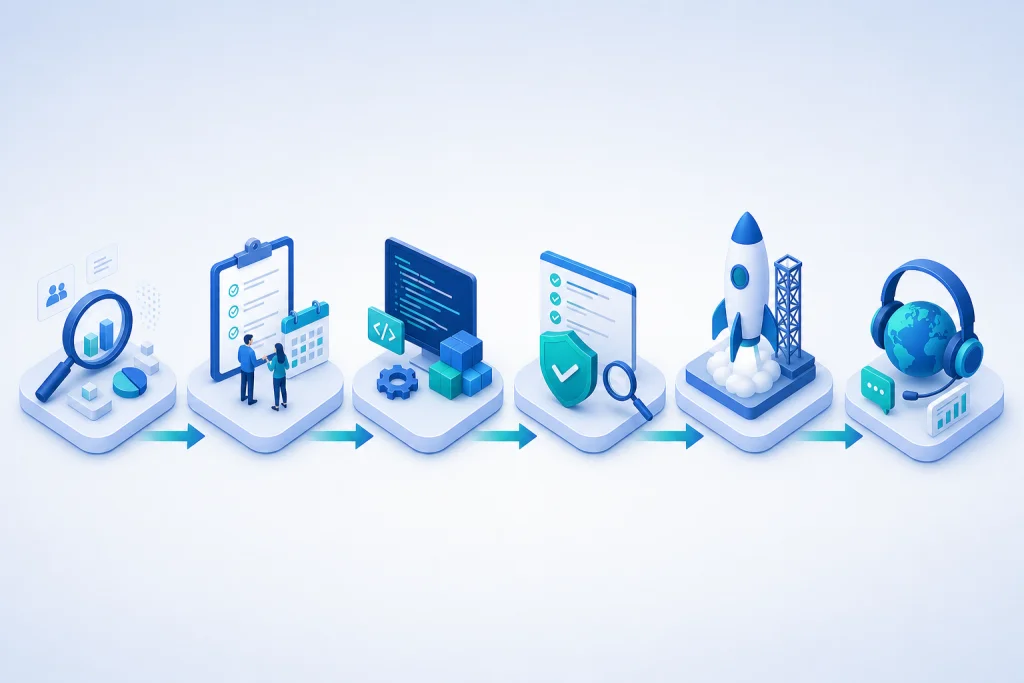
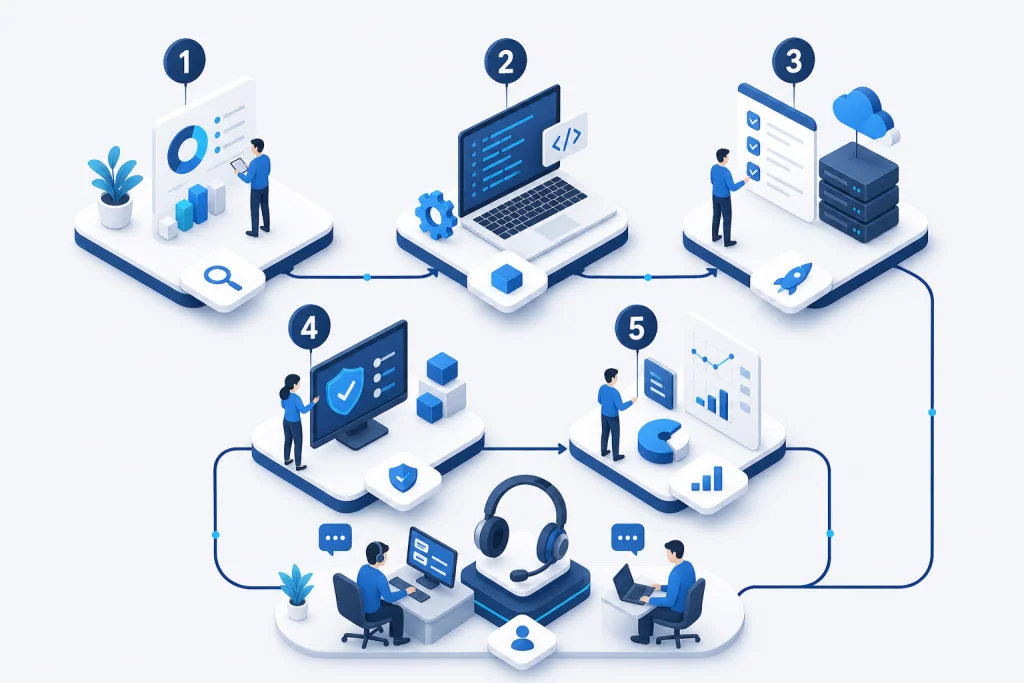
Case Study: Oil and Gas Company in Balikpapan. Challenge: Seismic data processing required 72 hours per dataset, delaying exploration decisions. Solution: Deployed 10 HP Z8 workstations with dual Intel Xeon 48 cores and NVIDIA RTX A6000, integrated with server and storage from Synology for data management. Result: Processing time reduced to 18 hours (75% improvement), enabling 3 additional wells per year, generating $2M incremental revenue. Implementation methodology follows a phased approach: Phase 1: Assessment of existing workflows and hardware. Phase 2: Pilot deployment with 2 workstations for validation. Phase 3: Full rollout with networking optimization using Cisco switches. Phase 4: Training and handover with HP Performance Advisor tuning. Phase 5: Ongoing support with Veeam backup for data protection. This methodology ensures minimal disruption and maximum ROI.
Another case: Automotive Manufacturer in Bekasi. Challenge: Crash simulation took 48 hours, limiting design iterations. Solution: HP Z6 workstations with AMD Threadripper and NVIDIA A6000, connected to hybrid cloud for burst rendering. Result: Simulation time cut to 12 hours (75% reduction), allowing 4x more iterations per month, leading to 15% lighter vehicle design and 10% fuel efficiency improvement. Implementation included enterprise WiFi for mobile collaboration. These case studies highlight the tangible benefits of HP Z Workstation Engineering for Indonesian enterprises.