Asset Procurement Architecture
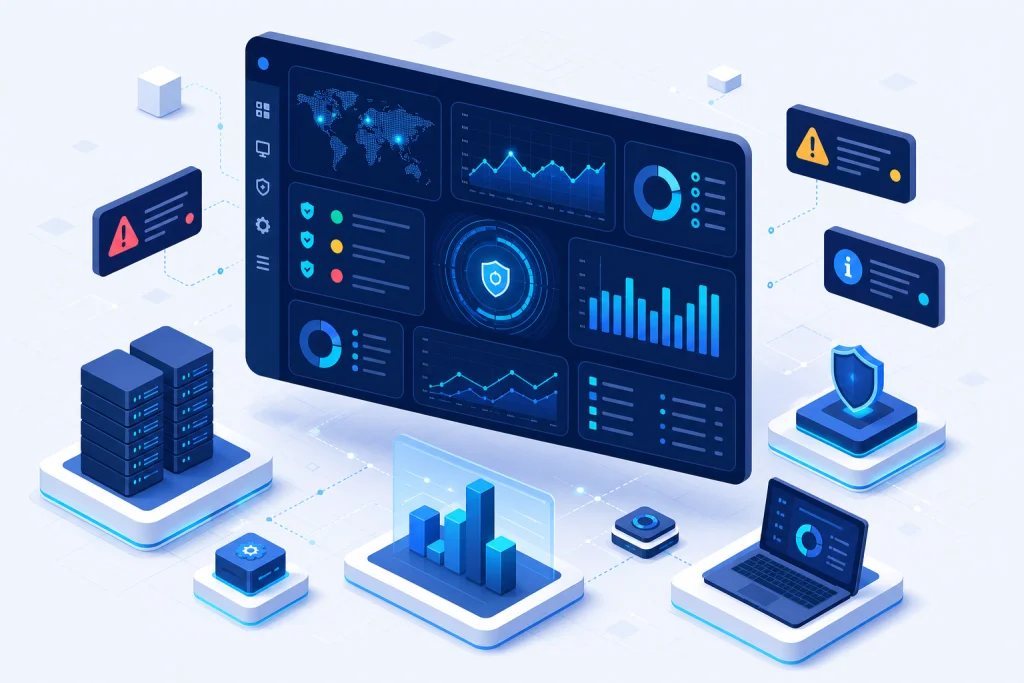
The architecture of our asset procurement solution is built on a microservices-based framework that ensures scalability, security, and integration flexibility. At its core, the system comprises four main layers: the user interface layer, the business logic layer, the data integration layer, and the external vendor API layer. The UI layer provides role-based dashboards for procurement managers, finance teams, and IT administrators, offering real-time visibility into procurement pipelines and budget status. The business logic layer handles workflow automation, including approval routing based on cost centers, project codes, and compliance rules. It also includes a rules engine for dynamic discount calculations and contract terms enforcement.
The data integration layer connects to existing ERP systems (e.g., SAP, Oracle) and asset management databases, ensuring seamless data flow. It also leverages APIs from major vendors like Lenovo, HP, and Dell to fetch real-time pricing, availability, and lead times. The external vendor API layer standardizes communications with multiple suppliers, reducing manual data entry errors. Security is enforced through role-based access control, encryption at rest and in transit, and audit logging for all transactions. This architecture supports high availability with failover clustering and disaster recovery capabilities, ensuring continuous operations even during network disruptions.
Industry Use Cases for Asset Procurement
In the manufacturing sector, asset procurement is critical for acquiring machinery, sensors, and IT equipment to support Industry 4.0 initiatives. For example, a automotive parts manufacturer in Jakarta uses our solution to procure PLCs and robotic arms from vendors like Cisco and Synology, reducing procurement lead time by 30% and achieving 99% uptime for production lines. The system automatically triggers reorders when inventory falls below safety stock levels, ensuring uninterrupted operations.
For financial services, compliance and auditability are paramount. A bank in Surabaya implemented our solution to procure servers and network equipment from Dell and HP, with built-in compliance checks for regulatory standards. The platform reduced manual procurement errors by 50% and provided a complete audit trail for every transaction, satisfying BI and OJK requirements. Additionally, the system's budget tracking prevented overspending by 15% through real-time alerts.
In healthcare, asset procurement ensures timely acquisition of medical devices and IT infrastructure. A hospital chain in Bandung uses our solution to procure imaging equipment and Lenovo workstations, reducing procurement cycle from 45 to 20 days. The integration with their asset management system enabled automatic depreciation tracking and warranty management, saving 20% on maintenance costs annually.
Asset Procurement vs Traditional Alternatives
Traditional asset procurement relies on manual processes such as email-based requisitions, spreadsheets for tracking, and phone calls for vendor negotiations. This approach leads to long cycle times (often 30-60 days), high error rates (up to 10% of orders), and lack of visibility into budget consumption. In contrast, our automated solution reduces cycle times to under 10 days, achieves near-zero errors through validation rules, and provides real-time dashboards for budget tracking.
Another key difference is vendor management. Traditional methods often involve fragmented communication with multiple vendors, leading to inconsistent pricing and delayed deliveries. Our platform centralizes vendor interactions, leveraging APIs from Lenovo, HP, Dell, Cisco, and Synology to compare prices, negotiate bulk discounts, and track delivery performance. Additionally, traditional methods lack predictive analytics, whereas our solution uses historical data to forecast demand and optimize inventory levels, reducing carrying costs by 25%.
Compliance is another area of divergence. Manual processes are prone to policy violations, such as purchasing from unauthorized vendors or exceeding budget limits. Our system enforces procurement policies automatically, with alerts for non-compliant requests and mandatory approval workflows. This reduces compliance risks and simplifies audits, which is especially important for enterprises in Indonesia subject to local tax and import regulations.
Case Study & Implementation Methodology
Manufacturing Company in Jakarta, Challenge: Needed to procure 500+ servers and networking equipment for a new factory, but manual processes caused 45-day delays and 12% budget overruns. Solution: Implemented our asset procurement platform integrated with SAP, using APIs from Lenovo and Cisco. Result: Procurement cycle reduced to 18 days, 8% cost savings through volume discounts, and 99.5% on-time delivery.
Financial Institution in Surabaya, Challenge: Required compliance with OJK regulations for IT asset procurement, but manual tracking led to 15% non-compliance rate. Solution: Deployed our solution with automated compliance checks and audit trails. Result: 100% compliance achieved, procurement errors reduced by 60%, and annual audit preparation time cut by 70%.
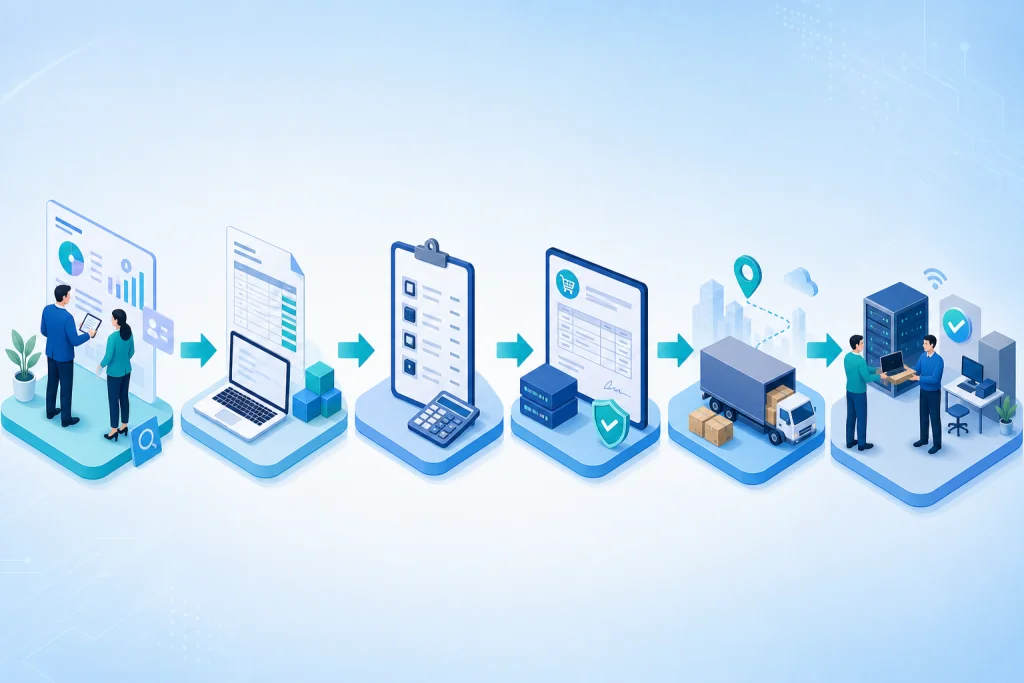
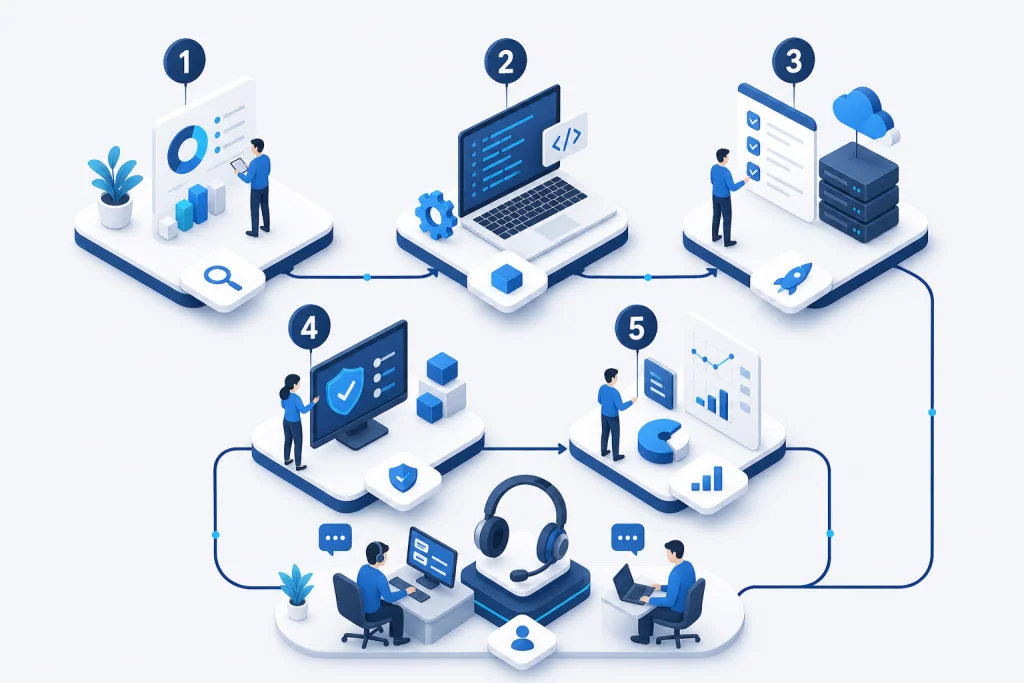
Our implementation methodology follows a phased approach: Phase 1 (2 weeks) - Discovery and requirements gathering; Phase 2 (4 weeks) - System configuration and integration with ERP and vendor APIs; Phase 3 (2 weeks) - User training and pilot testing; Phase 4 (1 week) - Go-live and hypercare. Throughout the process, we provide dedicated project management and technical support, ensuring minimal disruption to operations. Post-implementation, we offer continuous optimization through analytics and vendor performance reviews.