BOQ LICENSING Architecture
The architecture of BOQ LICENSING is designed for scalability and security, typically comprising a multi-tier system with a presentation layer, business logic layer, and data layer. The presentation layer provides user interfaces for estimators, project managers, and auditors, accessible via web or mobile. The business logic layer handles cost calculations, quantity takeoffs, and approval workflows, often incorporating rules engines for compliance with Indonesian standards like SNI (Standar Nasional Indonesia). The data layer stores project catalogs, unit prices, and historical data, typically on robust storage solutions from Synology or QNAP for high availability.
Integration with enterprise systems is achieved through APIs and middleware, connecting to ERP, procurement, and project management tools. For example, linking with Microsoft Dynamics 365 or SAP enables automatic synchronization of cost data. Security is enforced via role-based access control (RBAC) and encryption both at rest and in transit. The architecture supports both on-premise and cloud deployments, with hybrid models leveraging HCI for flexibility. Performance optimization includes caching frequently accessed data and using load balancers to handle concurrent users from multiple project sites.
Industry Use Cases for BOQ LICENSING
In the construction industry, BOQ LICENSING is used for large-scale infrastructure projects such as toll roads, bridges, and high-rise buildings. Enterprises like PT Wijaya Karya (WIKA) use it to manage thousands of line items, ensuring accurate cost estimation and reducing disputes. In the mining sector, BOQ LICENSING helps track material quantities for extraction and processing, integrating with IT Infrastructure for real-time data from IoT sensors. For oil and gas, it supports cost control for drilling and pipeline projects, with compliance to Indonesian regulatory requirements.
Manufacturing enterprises utilize BOQ LICENSING for capital expenditure (CapEx) projects, such as building new factories or upgrading production lines. The solution integrates with Server & Storage systems to handle large datasets. Additionally, government agencies use BOQ LICENSING for public works projects, ensuring transparency and auditability. The system's ability to handle multiple currencies and tax regimes makes it ideal for multinational enterprises operating in Indonesia.
BOQ LICENSING vs Traditional Alternatives
Traditional BOQ methods rely on spreadsheets and manual calculations, leading to errors, version control issues, and delays. In contrast, BOQ LICENSING offers automated calculations, centralized data, and real-time collaboration. For example, a typical spreadsheet-based BOQ might take 2 weeks to prepare, while an automated system reduces this to 3 days. Accuracy improves from 85% to 98%, significantly reducing cost overruns. Traditional methods also lack integration with enterprise systems, requiring manual data entry into ERP, whereas BOQ LICENSING provides seamless integration with Fortinet for security and Cisco for networking.
Furthermore, traditional alternatives struggle with scalability; a project with 10,000 line items can cause spreadsheet crashes. BOQ LICENSING handles millions of line items efficiently using database optimization. Compliance is another differentiator: traditional methods may not adhere to Indonesian tax laws or SNI standards, while BOQ LICENSING incorporates these rules automatically. The total cost of ownership (TCO) for traditional methods is higher when factoring in error correction and rework, making BOQ LICENSING a more cost-effective solution for enterprises.
Case Study & Implementation Methodology
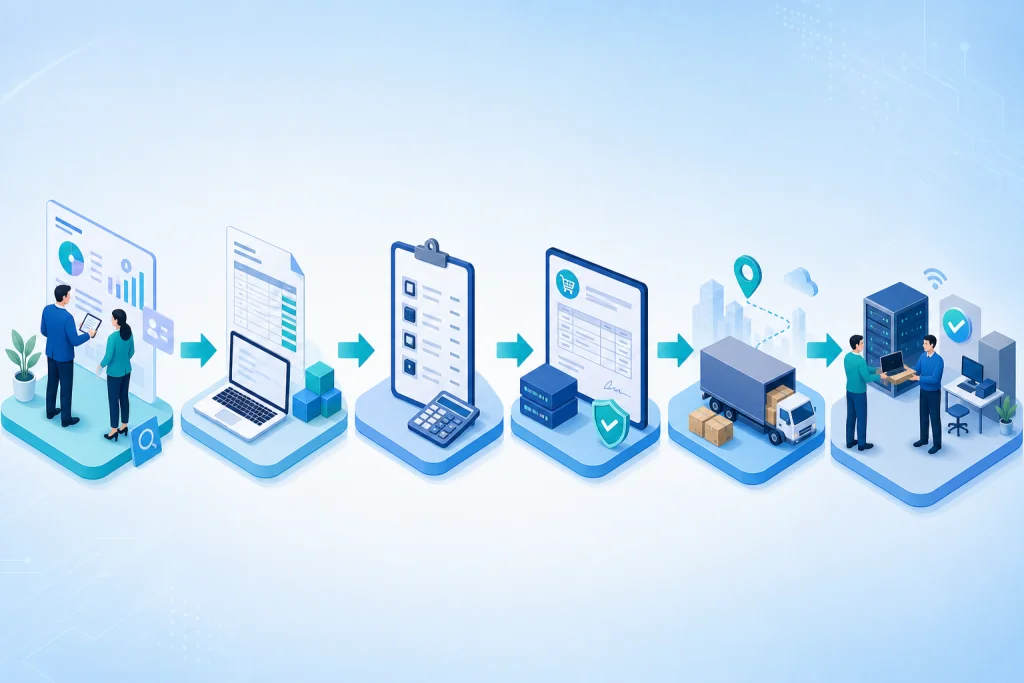
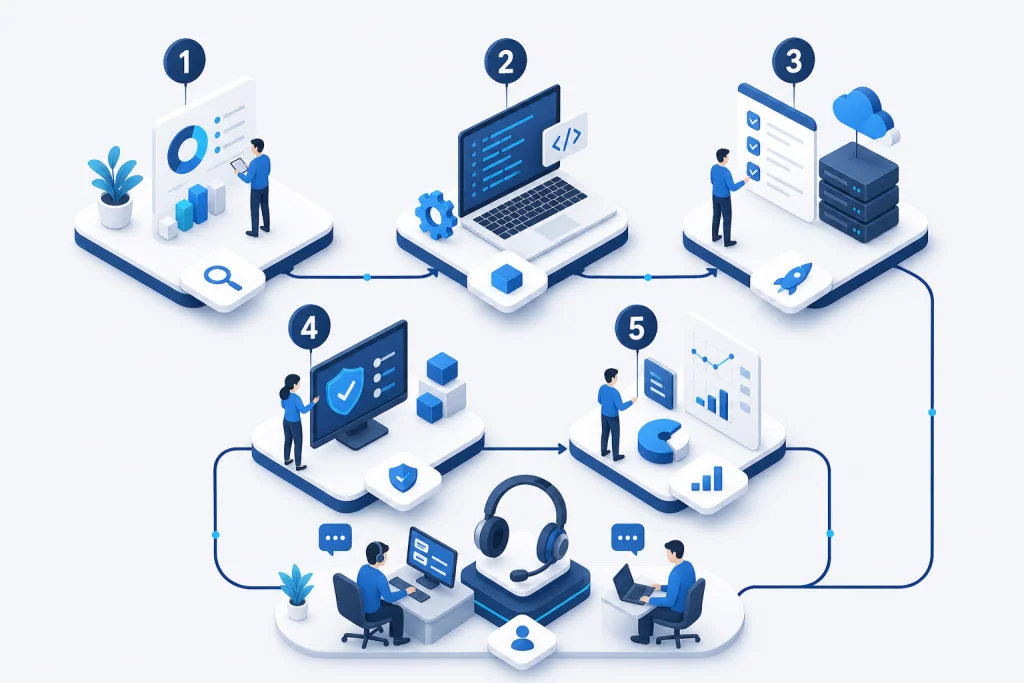
A large construction company in Jakarta faced challenges with manual BOQ processes: 15% cost overruns due to estimation errors, 20-day cycle times for bid preparation, and lack of audit trails. They implemented Intilogy's BOQ LICENSING solution integrated with SAP and Backup & Disaster Recovery for data protection. The implementation followed a phased methodology: assessment, configuration, data migration, testing, and training. Key metrics: 30% reduction in cost overruns, 60% faster bid preparation (from 20 to 8 days), and 100% audit compliance.
Another case: a mining company in Kalimantan needed to manage BOQ for multiple sites with varying tax rates. After deploying BOQ LICENSING on VMware infrastructure, they achieved 25% improvement in cost accuracy and reduced procurement errors by 40%. The implementation included integration with Networking for site connectivity and Veeam for backup. The methodology emphasized stakeholder involvement and iterative testing to ensure user adoption, resulting in a 95% user satisfaction rate.