ACCESS CONTROL Architecture
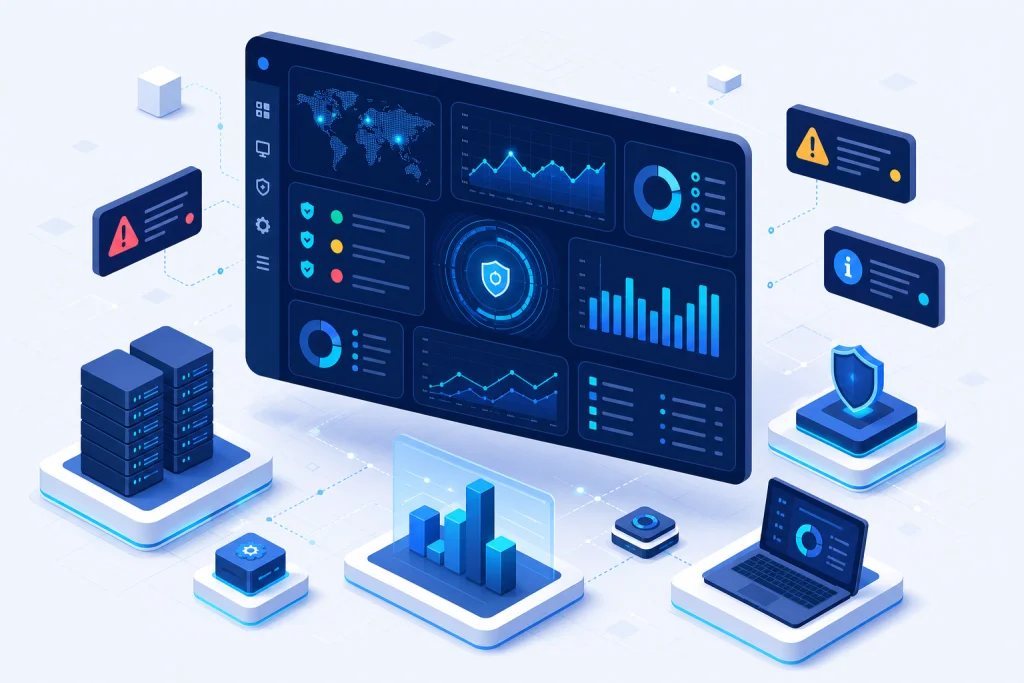
An enterprise access control architecture comprises several layers: the physical layer (door locks, readers, controllers), the network layer (switches, routers, servers), and the application layer (management software, databases, cloud services). For high-security environments, we recommend a distributed architecture with local controllers that can operate independently even if the network is down, ensuring fail-safe operation. Controllers communicate with central servers via encrypted protocols (e.g., OSDP, BACnet) over a Networking infrastructure. Biometric readers capture unique identifiers and match against local or cloud-stored templates. The system integrates with identity management platforms like Microsoft Active Directory or Azure AD for single sign-on. At Intilogy, we design architectures that support up to 10,000 doors and 100,000 users, with redundant servers and Backup & Disaster Recovery to ensure 99.99% uptime. The use of Fortinet firewalls segments the access control network from corporate IT, preventing lateral movement in case of a breach. Cloud-based management allows remote administration, real-time alerts, and firmware updates across multiple sites in Indonesia.
Key components include: intelligent controllers (e.g., Mercury, HID), PoE+ door locks, multi-factor authentication (card + PIN + biometric), and encrypted communication. The architecture is scalable, allowing enterprises to start with a few doors and expand to hundreds without replacing core hardware. We also implement virtual partitions for multi-tenant buildings, ensuring each tenant has isolated access policies.
Industry Use Cases for ACCESS CONTROL
In Indonesia, access control is critical across various sectors. For data centers, it prevents unauthorized physical access to servers and network equipment, integrating with Server & Storage monitoring to trigger alerts on door forced-open events. In warehouses and logistics, access control tracks employee movement, restricts entry to hazardous zones, and integrates with time-attendance for payroll. Manufacturing facilities use biometric readers to ensure only certified operators access production lines, reducing accidents and theft. Corporate offices implement visitor management systems that issue temporary credentials, with automatic expiration and audit trails. For government and defense, multi-factor authentication and anti-passback algorithms prevent tailgating. Healthcare facilities secure patient records and pharmaceutical storage, complying with BPJS and international standards. Retail chains use cloud-based access control to manage permissions across hundreds of stores from a central dashboard, with real-time lockdown capabilities during emergencies. Each use case requires tailored credential types (e.g., wristbands for swimming pools, high-security smart cards for R&D labs) and integration with Hybrid Cloud for remote management.
A prominent example is a financial institution in Jakarta that implemented biometric access control across 50 branches, reducing unauthorized access incidents by 95% and achieving compliance with Bank Indonesia regulations. The system integrated with existing HR databases and CCTV, providing a unified view of all security events.
ACCESS CONTROL vs Traditional Alternatives
Traditional access control methods, such as mechanical keys and standalone keypads, lack auditability, scalability, and integration capabilities. Mechanical keys can be copied easily, and there is no record of who entered when. Standalone keypads require manual code changes and cannot be centrally managed. In contrast, modern enterprise access control offers centralized policy management, real-time monitoring, and detailed audit logs. It supports multiple authentication factors, reducing the risk of credential theft. Integration with other security systems (CCTV, intercom, alarm) enables automated responses, like locking all doors when a fire alarm is triggered. Cloud-based solutions eliminate the need for on-premise servers, reducing maintenance costs and enabling remote management. While traditional systems have lower upfront costs, they incur higher operational expenses due to manual administration and lack of scalability. For example, a 100-door facility using mechanical keys would require a full rekeying costing millions of IDR if a key is lost, whereas an electronic system can simply revoke a credential. Additionally, modern access control supports mobile credentials, allowing employees to use smartphones instead of cards, reducing plastic waste and improving user convenience. From a cybersecurity perspective, traditional systems are vulnerable to physical attacks, while modern systems encrypt communications and integrate with Firewall and Cyber Security solutions to prevent hacking.
Another advantage is compliance: regulations like GDPR and Indonesia's PDP Law require organizations to demonstrate who accessed sensitive areas. Traditional systems cannot provide this level of detail. Modern access control also supports time-based and location-based restrictions, enabling granular policies like 'only managers can enter the server room between 8 AM and 6 PM'.
Case Study & Implementation Methodology
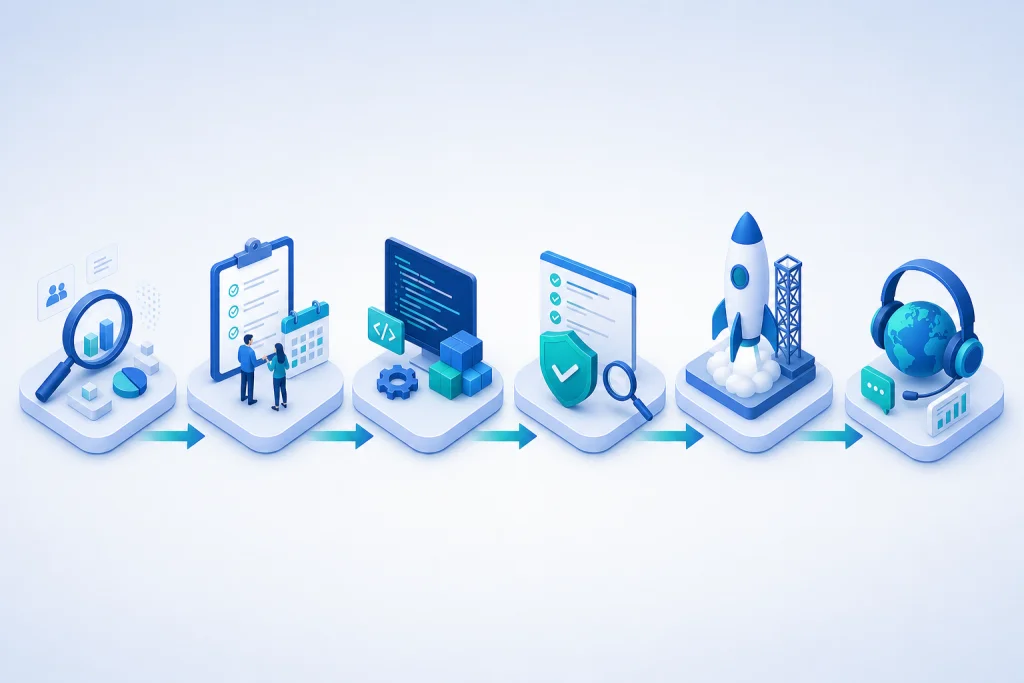
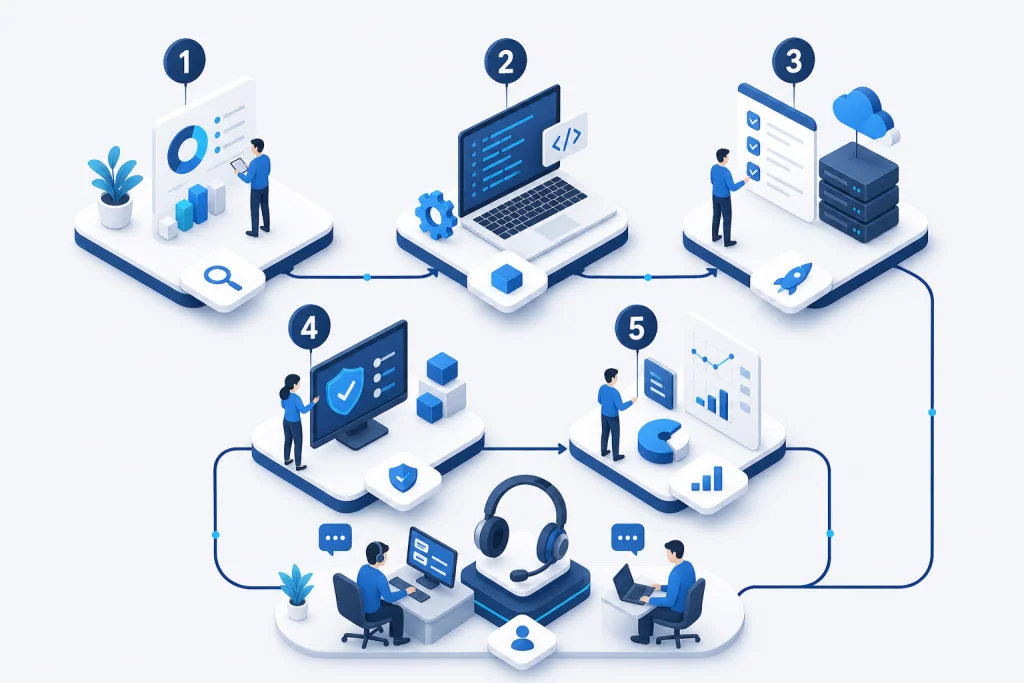
Our implementation methodology follows a structured four-phase approach: Assessment, Design, Deployment, and Optimization. In the Assessment phase, we conduct a site survey to identify risks, number of doors, user types, and integration requirements. For a logistics company in Surabaya with 20 warehouses, Challenge: 200 employees had unrestricted access, leading to inventory shrinkage of 5% monthly (IDR 500M loss/year). Solution: Deployed biometric palm readers and RFID cards integrated with WMS, using Dell servers and Synology NAS for local failover. Result: Reduced shrinkage to 0.5% (IDR 50M loss/year), ROI achieved in 6 months. Another case: a hospital in Bandung with 500 doors, Challenge: compliance with Ministry of Health regulations requiring audit trails for medication rooms. Solution: Implemented HID Global readers with Microsoft Azure AD integration, using Ruijie switches for network segmentation. Result: 100% compliance, 30% reduction in security personnel costs due to automated monitoring. Our deployment phase includes pilot testing, user training, and 24/7 support. Post-deployment, we offer continuous optimization through firmware updates, policy tuning, and integration with new systems like HCI for scalability.
Key metrics tracked: Mean Time to Detect (MTTD) intrusions reduced from 2 hours to 5 minutes, False Acceptance Rate (FAR) < 0.001%, and system uptime 99.99%. We also implement cybersecurity measures such as encryption at rest and in transit, regular penetration testing, and integration with SIEM for anomaly detection.