Attendance System Architecture
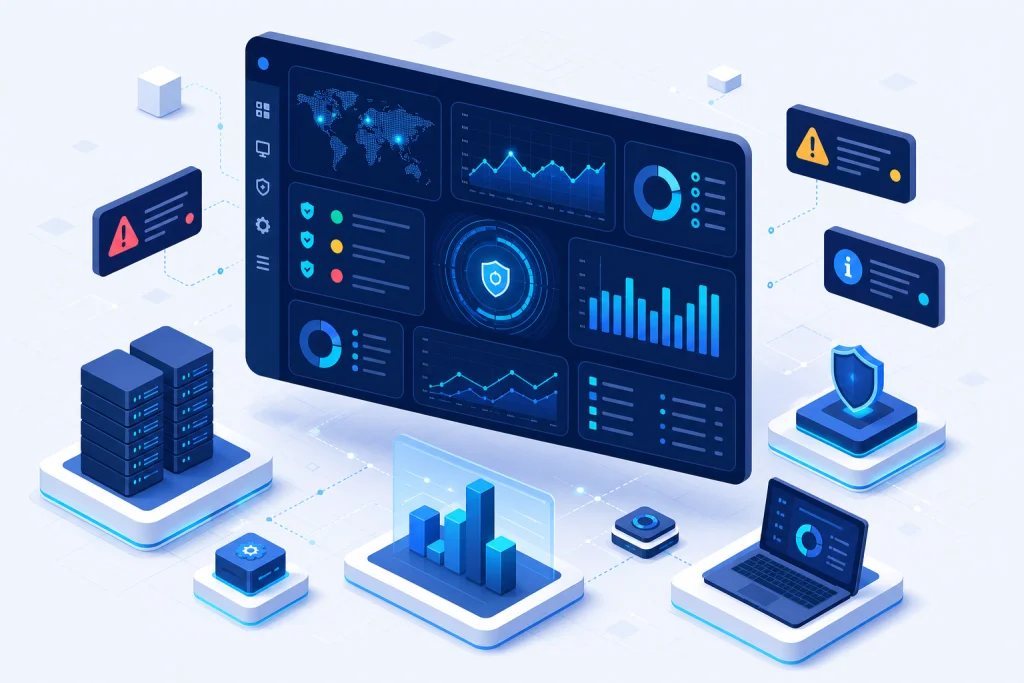
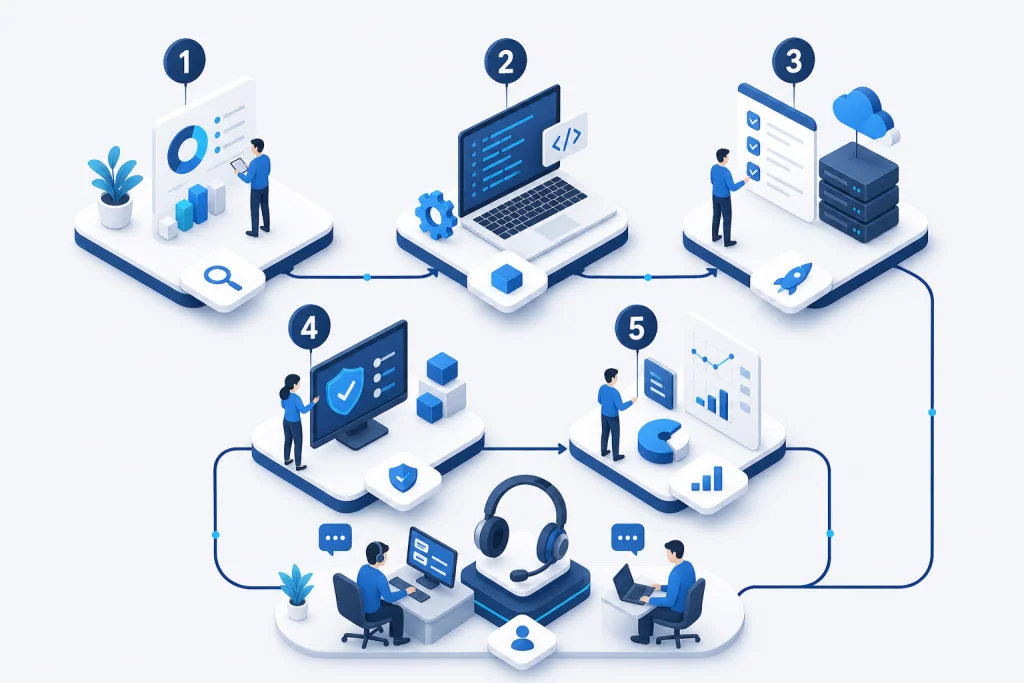
A modern enterprise attendance system architecture comprises three layers: edge devices, middleware, and backend infrastructure. Edge devices include biometric terminals (fingerprint, facial recognition), RFID readers, and mobile app clients. These devices communicate via secure protocols (HTTPS, MQTT) to middleware servers that handle authentication, data validation, and load balancing. The backend consists of database servers (e.g., SQL Server, PostgreSQL) and application servers that process time logs, calculate working hours, and generate reports. For high availability, deployment on hyperconverged infrastructure or cloud platforms ensures scalability and fault tolerance. Integration with backup and disaster recovery solutions protects against data loss. The system also supports API integration with HRIS and payroll software, enabling automated data flow. Security features include end-to-end encryption, role-based access control, and audit trails to comply with Indonesian data privacy regulations.
Industry Use Cases for Attendance System
In manufacturing, attendance systems integrated with production lines track worker entry and exit, linking to shift schedules and overtime calculations. For example, a factory in Batam uses biometric terminals from Dell servers to manage 5,000 employees, reducing payroll errors by 30%. In retail, mobile-based attendance with geofencing ensures staff clock in at store locations, improving compliance. A retail chain in Jakarta implemented a cloud-based system with Microsoft Azure backend, cutting absenteeism by 15%. Healthcare facilities use contactless facial recognition to minimize hygiene risks, while construction sites leverage ruggedized RFID readers for outdoor environments. The system also supports project-based time tracking, essential for consulting firms and contractors.
Attendance System vs Traditional Alternatives
Traditional attendance methods like manual sign-in sheets or standalone punch clocks are prone to errors, buddy punching, and data loss. Modern enterprise systems eliminate these issues with biometric verification and real-time cloud synchronization. Unlike legacy systems, modern solutions offer advanced analytics, such as predictive absenteeism and overtime cost projections. They also integrate with IT infrastructure for seamless scalability. While traditional systems require manual data entry and reconciliation, automated systems reduce HR workload by up to 70%. Additionally, modern attendance systems support remote and hybrid workforces, a capability absent in traditional setups. Security is also superior, with encrypted data transmission and compliance with Indonesian labor laws.
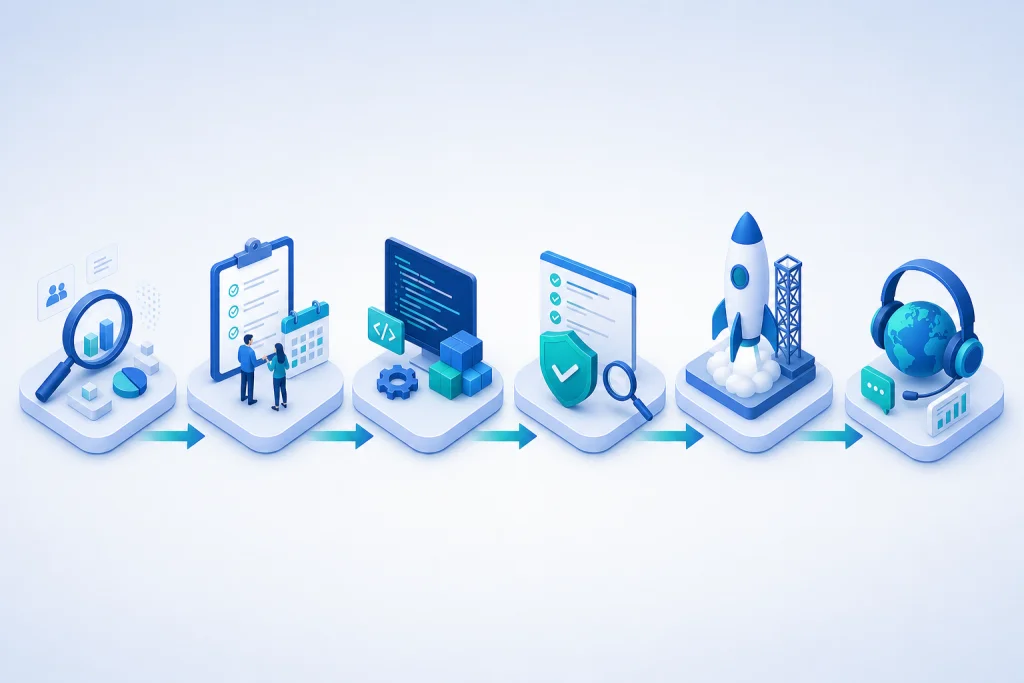
Case Study & Implementation Methodology
Manufacturing Company in Surabaya, Challenge: 20% buddy punching rate and 15 hours weekly manual payroll processing. Solution: Deployed biometric fingerprint terminals with Synology NAS for local storage and cloud sync. Result: Buddy punching eliminated, payroll processing time reduced to 2 hours, and overtime costs decreased by 12%.
IT Services Firm in Jakarta, Challenge: Remote workforce tracking across 3 offices and home-based employees. Solution: Mobile app with GPS geofencing and facial recognition, integrated with VMware vSphere for virtualization. Result: 98% attendance accuracy, 40% reduction in HR administrative time, and 95% employee satisfaction with the mobile clock-in feature.