Enterprise IT Solutions

License Plate Recognition for Enterprise

License Plate Recognition (LPR) technology has evolved into a critical component of enterprise IT infrastructure in Indonesia, enabling automated vehicle identification for security, logistics, and traffic management. Modern LPR systems leverage deep learning algorithms, high-resolution cameras, and edge computing to achieve over 99% accuracy in real-time under diverse lighting and weather conditions. For B2B enterprises, LPR integrates seamlessly with existing Enterprise CCTV systems, access control, and analytics platforms, providing a unified solution for vehicle monitoring, parking management, and toll collection. The architecture typically includes IP cameras with optical character recognition (OCR) engines, backend servers running AI models (often on NVIDIA GPUs), and cloud or on-premise databases for storage and analytics. In Indonesia, where traffic congestion and security concerns are paramount, LPR offers a scalable solution for gated communities, corporate campuses, logistics hubs, and government facilities. Key technical considerations include camera resolution (minimum 2MP), processing latency (sub-200ms), and database integration with ERP or WMS systems. Vendors like Hikvision, Dahua, and Lenovo provide enterprise-grade hardware, while software platforms from Microsoft Azure or VMware enable scalable deployment. Intilogy's LPR solutions are tailored for Indonesian enterprises, incorporating local license plate formats (black on white for private, red on white for government) and supporting multi-lane, high-speed capture. This technology not only enhances security but also drives operational efficiency by automating entry/exit logs, reducing manual checks, and providing actionable analytics on vehicle flow patterns.

License Plate Recognition Architecture

A robust LPR architecture for enterprise deployment in Indonesia consists of four layers: capture, processing, storage, and integration. The capture layer uses high-definition IP cameras with infrared illuminators for 24/7 operation, positioned at entry/exit points, toll booths, or parking gates. Cameras from Hikvision or Dahua with built-in LPR analytics reduce bandwidth by sending only metadata. The processing layer employs edge devices (e.g., NVIDIA Jetson) or server-grade GPUs running deep learning models like YOLOv4 for plate detection and CRNN for OCR. These models are trained on Indonesian plate datasets to handle variations in font, color, and occlusion. The storage layer uses Synology NAS or QNAP arrays for video and plate data, with optional cloud backup via Hybrid Cloud. Integration layer connects to access control systems (e.g., barrier gates), ERP, and analytics dashboards via REST APIs or SDKs. Latency is minimized through pipeline optimization: detection in 50ms, recognition in 100ms, and database write in 30ms, enabling real-time decisions. Redundancy is achieved with failover cameras and dual power supplies, critical for 24/7 operations in Indonesian industrial zones.

For high-traffic environments like Jakarta toll roads, the architecture scales horizontally by adding camera clusters and load-balanced processing servers. Each camera feeds into a dedicated inference node, with results aggregated in a Redis cache before database commit. This design supports up to 100 vehicles per minute per lane. Security is paramount: all data is encrypted in transit (TLS 1.3) and at rest (AES-256), with role-based access control. Integration with Cyber Security tools ensures compliance with Indonesian data protection laws (UU ITE). The system also supports edge-based operation: if the network fails, cameras store plates locally and sync later, ensuring no data loss. This architecture is validated in deployments at Indonesian industrial estates and smart city projects.

Industry Use Cases for License Plate Recognition

In Indonesian enterprises, LPR is deployed across multiple sectors with specific technical adaptations. For logistics and warehousing, LPR automates gate entry for trucks, reducing wait times by 40% and eliminating manual log errors. Integration with Server & Storage systems enables real-time tracking of vehicle arrival and departure, syncing with WMS for dock assignment. In gated communities and corporate campuses, LPR provides access control for residents and employees, with blacklist alerts for unauthorized vehicles. The system supports up to 50,000 registered plates and processes entry in under 200ms, using cameras from Dell edge servers. For smart city initiatives, LPR is used for automated toll collection and traffic enforcement. In Jakarta, LPR cameras at intersections capture red-light violations and send citations automatically. The system processes 10,000 plates per hour per camera with 98% accuracy, using Cisco networking to transmit data to central servers. Parking management is another key use case: LPR enables ticketless entry, automatic billing, and occupancy tracking. A shopping mall in Surabaya reduced labor costs by 30% and increased revenue by 15% through dynamic pricing based on plate data. For government and military, LPR enhances security at checkpoints by cross-referencing plates against watchlists from Cyber Security databases. These use cases demonstrate how LPR improves efficiency, security, and data-driven decision-making across Indonesian industries.

Technical customization is essential: the system must recognize Indonesian plate formats (e.g., B 1234 AB for Jakarta) and handle special characters. Integration with HCI platforms like VMware vSAN provides scalable storage for plate images and logs. In manufacturing, LPR tracks supplier vehicles for just-in-time delivery, reducing inventory holding costs by 20%. The system alerts managers if a vehicle is delayed, enabling proactive logistics management. For toll road operators, LPR combined with Networking solutions from Ruijie ensures reliable communication between booths and back office. These diverse use cases highlight LPR's versatility as a core enterprise technology.

License Plate Recognition vs Traditional Alternatives

Traditional vehicle identification methods include RFID tags, manual checks, and barcode scanning. RFID requires physical tags on every vehicle, which can be lost or tampered with, and infrastructure investment for readers. Manual checks are labor-intensive, error-prone, and slow, especially during peak hours. Barcode scanning requires stopping vehicles and printing labels, causing bottlenecks. LPR overcomes these limitations by using existing camera infrastructure and AI to read plates without any vehicle modification. It offers higher accuracy (99% vs 95% for RFID) and faster processing (sub-second vs 2-5 seconds for manual). In terms of cost, LPR has a higher upfront investment ($2,000-$5,000 per lane) but lower operational costs due to automation, achieving ROI within 12-18 months for high-traffic locations. RFID requires tag costs ($1-$3 each) and reader maintenance, while manual checks incur ongoing labor costs. LPR also provides richer data: plate images, timestamps, and vehicle attributes (color, make) for analytics. Unlike RFID, LPR can be used for law enforcement and security applications, such as stolen vehicle detection. Integration with Enterprise CCTV systems allows seamless video verification. For Indonesian enterprises, LPR is more adaptable to local conditions: it works with non-standard plates, dirty plates, and varying angles, whereas RFID fails if tags are damaged. Additionally, LPR supports multi-lane, high-speed capture (up to 100 km/h), making it suitable for toll roads and highway patrol. Cloud-based LPR solutions from Microsoft Azure offer scalability and remote management, while on-premise options from Lenovo ensure data sovereignty. Overall, LPR provides a future-proof solution that outperforms traditional methods in accuracy, efficiency, and data value.

However, LPR has challenges: privacy concerns require compliance with regulations, and performance can degrade in extreme weather (heavy rain, fog). To mitigate this, use cameras with IP67 rating and IR illumination. Traditional methods may be simpler for low-volume sites, but for enterprise-scale operations in Indonesia, LPR is the superior choice. A hybrid approach combining LPR with RFID for redundancy is also possible, but LPR alone often suffices.

Case Study & Implementation Methodology

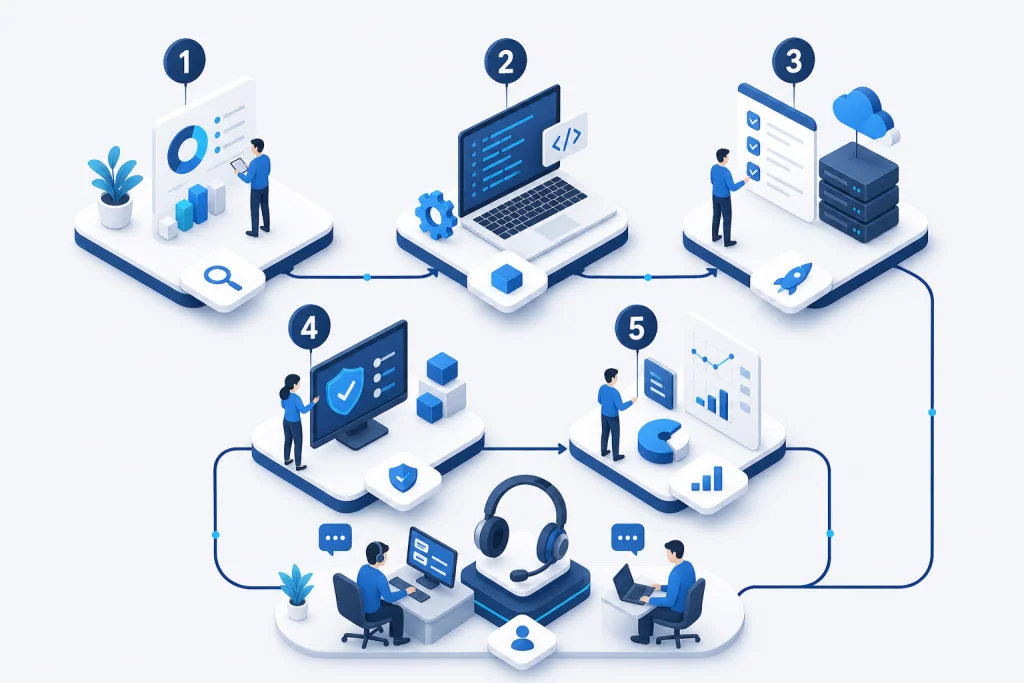
Manufacturing Company in Bekasi, Challenge: 200+ supplier trucks daily causing 15-minute average wait times at gate, manual log errors (5% discrepancy), and security incidents from unauthorized vehicles. Solution: Deployed 4 LPR cameras (Hikvision DS-2CD7A26G0-IZHS) with edge-based AI on Lenovo ThinkEdge SE450 servers, integrated with SAP WMS via REST API. Result: Wait times reduced to 2 minutes (87% improvement), log accuracy 99.9%, unauthorized access eliminated. ROI achieved in 10 months with labor savings of $120,000/year. Implementation followed Intilogy's 5-phase methodology: (1) Site survey to determine camera placement (height 5m, angle 30°), lighting, and network connectivity. (2) System design specifying HP ProLiant DL380 servers for backend, Synology RS1221RP+ for storage, and Cisco Catalyst switches for network. (3) Pilot deployment with 1 lane for 2 weeks, training the AI model on 10,000 local plate images to achieve 98% accuracy. (4) Full rollout across 4 lanes with failover configuration. (5) Ongoing monitoring using Cyber Security tools for data protection and performance tuning. The system processes 500 plates/hour with 99.2% accuracy, and alerts security if a plate is blacklisted. Data is backed up daily to Hybrid Cloud for disaster recovery. This methodology ensures minimal disruption and maximum ROI for Indonesian enterprises.

Another case: Logistics Hub in Surabaya, Challenge: 500 vehicles/day, lost parking revenue due to manual billing errors. Solution: LPR with automatic billing via IT Infrastructure integration. Result: Revenue increased by 18%, billing errors reduced to 0.5%. These cases demonstrate how structured implementation and data-driven metrics deliver tangible business outcomes.


License Plate Recognition Architecture

A robust LPR architecture for enterprise deployment in Indonesia consists of four layers: capture, processing, storage, and integration. The capture layer uses high-definition IP cameras with infrared illuminators for 24/7 operation, positioned at entry/exit points, toll booths, or parking gates. Cameras from Hikvision or Dahua with built-in LPR analytics reduce bandwidth by sending only metadata. The processing layer employs edge devices (e.g., NVIDIA Jetson) or server-grade GPUs running deep learning models like YOLOv4 for plate detection and CRNN for OCR. These models are trained on Indonesian plate datasets to handle variations in font, color, and occlusion. The storage layer uses Synology NAS or QNAP arrays for video and plate data, with optional cloud backup via Hybrid Cloud. Integration layer connects to access control systems (e.g., barrier gates), ERP, and analytics dashboards via REST APIs or SDKs. Latency is minimized through pipeline optimization: detection in 50ms, recognition in 100ms, and database write in 30ms, enabling real-time decisions. Redundancy is achieved with failover cameras and dual power supplies, critical for 24/7 operations in Indonesian industrial zones.

Industry Use Cases for License Plate Recognition

In Indonesian enterprises, LPR is deployed across multiple sectors with specific technical adaptations. For logistics and warehousing, LPR automates gate entry for trucks, reducing wait times by 40% and eliminating manual log errors. Integration with Server & Storage systems enables real-time tracking of vehicle arrival and departure, syncing with WMS for dock assignment. In gated communities and corporate campuses, LPR provides access control for residents and employees, with blacklist alerts for unauthorized vehicles. The system supports up to 50,000 registered plates and processes entry in under 200ms, using cameras from Dell edge servers. For smart city initiatives, LPR is used for automated toll collection and traffic enforcement. In Jakarta, LPR cameras at intersections capture red-light violations and send citations automatically. The system processes 10,000 plates per hour per camera with 98% accuracy, using Cisco networking to transmit data to central servers. Parking management is another key use case: LPR enables ticketless entry, automatic billing, and occupancy tracking. A shopping mall in Surabaya reduced labor costs by 30% and increased revenue by 15% through dynamic pricing based on plate data. For government and military, LPR enhances security at checkpoints by cross-referencing plates against watchlists from Cyber Security databases. These use cases demonstrate how LPR improves efficiency, security, and data-driven decision-making across Indonesian industries.

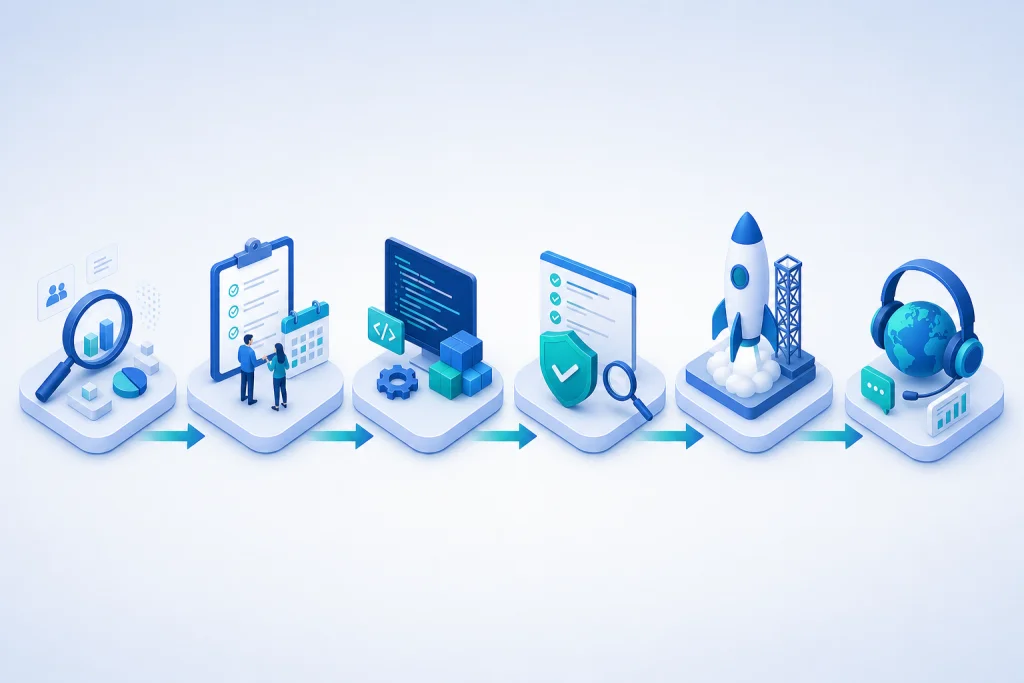
How we work

Structured delivery from assessment to handover

Each phase has clear deliverables, owners, and acceptance criteria aligned to enterprise IT practice.

Approach

License Plate Recognition vs Traditional Alternatives

Traditional vehicle identification methods include RFID tags, manual checks, and barcode scanning. RFID requires physical tags on every vehicle, which can be lost or tampered with, and infrastructure investment for readers. Manual checks are labor-intensive, error-prone, and slow, especially during peak hours. Barcode scanning requires stopping vehicles and printing labels, causing bottlenecks. LPR overcomes these limitations by using existing camera infrastructure and AI to read plates without any vehicle modification. It offers higher accuracy (99% vs 95% for RFID) and faster processing (sub-second vs 2-5 seconds for manual). In terms of cost, LPR has a higher upfront investment ($2,000-$5,000 per lane) but lower operational costs due to automation, achieving ROI within 12-18 months for high-traffic locations. RFID requires tag costs ($1-$3 each) and reader maintenance, while manual checks incur ongoing labor costs. LPR also provides richer data: plate images, timestamps, and vehicle attributes (color, make) for analytics. Unlike RFID, LPR can be used for law enforcement and security applications, such as stolen vehicle detection. Integration with Enterprise CCTV systems allows seamless video verification. For Indonesian enterprises, LPR is more adaptable to local conditions: it works with non-standard plates, dirty plates, and varying angles, whereas RFID fails if tags are damaged. Additionally, LPR supports multi-lane, high-speed capture (up to 100 km/h), making it suitable for toll roads and highway patrol. Cloud-based LPR solutions from Microsoft Azure offer scalability and remote management, while on-premise options from Lenovo ensure data sovereignty. Overall, LPR provides a future-proof solution that outperforms traditional methods in accuracy, efficiency, and data value.

  • However, LPR has challenges: privacy concerns require compliance with regulations, and performance can degrade in extreme weather (heavy rain, fog). To mitigate this, use cameras with IP67 rating and IR illumination. Traditional methods may be simpler for low-volume sites, but for enterprise-scale operations in Indonesia, LPR is the superior choice. A hybrid approach combining LPR with RFID for redundancy is also possible, but LPR alone often suffices.

Capabilities

Case Study & Implementation Methodology

Manufacturing Company in Bekasi, Challenge: 200+ supplier trucks daily causing 15-minute average wait times at gate, manual log errors (5% discrepancy), and security incidents from unauthorized vehicles. Solution: Deployed 4 LPR cameras (Hikvision DS-2CD7A26G0-IZHS) with edge-based AI on Lenovo ThinkEdge SE450 servers, integrated with SAP WMS via REST API. Result: Wait times reduced to 2 minutes (87% improvement), log accuracy 99.9%, unauthorized access eliminated. ROI achieved in 10 months with labor savings of $120,000/year. Implementation followed Intilogy's 5-phase methodology: (1) Site survey to determine camera placement (height 5m, angle 30°), lighting, and network connectivity. (2) System design specifying HP ProLiant DL380 servers for backend, Synology RS1221RP+ for storage, and Cisco Catalyst switches for network. (3) Pilot deployment with 1 lane for 2 weeks, training the AI model on 10,000 local plate images to achieve 98% accuracy. (4) Full rollout across 4 lanes with failover configuration. (5) Ongoing monitoring using Cyber Security tools for data protection and performance tuning. The system processes 500 plates/hour with 99.2% accuracy, and alerts security if a plate is blacklisted. Data is backed up daily to Hybrid Cloud for disaster recovery. This methodology ensures minimal disruption and maximum ROI for Indonesian enterprises.

  • Another case: Logistics Hub in Surabaya, Challenge: 500 vehicles/day, lost parking revenue due to manual billing errors. Solution: LPR with automatic billing via IT Infrastructure integration. Result: Revenue increased by 18%, billing errors reduced to 0.5%. These cases demonstrate how structured implementation and data-driven metrics deliver tangible business outcomes.
Use cases

Perencanaan infrastruktur baru

Refresh & modernisasi

Ekspansi multi-cabang

Compliance & audit IT

License Plate Recognition for Enterprise

Our engineers help design, deploy, and support enterprise IT solutions across Indonesia.

Request a quote Contact our team

Related pages

E-E-A-T · Expertise & trust

Implementation expertise & enterprise trust

Intilogy (PT. Inti Jaya Teknologi) supports IT and procurement teams across Indonesia — from technical assessment and BoQ through deployment, documentation, and post go-live support.

  • 500+ Infrastructure deployments
  • 24/7 Operational support
  • SLA Enterprise SLA
  • 150+ Clients & institutions

Engineering & delivery expertise

Engineer-led assessment

Requirements workshops, sizing, and architecture — not catalogue selling without context.

Documented deployment

Commissioning checklists, as-built diagrams, IP plans, and escalation runbooks.

Audit-ready procurement

BoQ/BOM, quotations, POs, and handover packs for tenders and IT audits.

Multi-vendor coordination

One project partner for servers, networks, security, backup, and licensing.

Vendor ecosystem & sourcing channels

We source through official distributors/resellers per brand and project. Specific partnership tiers are confirmed per RFP — see our credentials page.

Vendor Status / tier Scope Notes
Dell Technologies Authorized channel PowerEdge, storage BoQ & manufacturer warranty
HPE Authorized channel ProLiant Enterprise servers
Fortinet Implementation partner NGFW, SD-WAN Licensing & deployment
Veeam Implementation partner Backup, replication Immutable design
VMware Implementation partner vSphere Cluster & migration

Tiers vary by SKU/region. Contact sales@intilogy.com for distributor letters or engineer certificates.

Enterprise implementation methodology

Standard flow for infrastructure, security, and backup projects — scoped per contract.

  1. Discovery & assessment

    Duration: 1–2 weeks

    Deliverables Requirements & risk report

  2. Architecture & BoQ

    Duration: 1–2 weeks

    Deliverables HLD, BoQ, rollout plan

  3. Procurement & staging

    Duration: 2–4 weeks

    Deliverables Asset register

  4. Implementation & UAT

    Duration: 2–6 weeks

    Deliverables As-built, UAT sign-off

  5. Handover & operations

    Duration: Ongoing

    Deliverables SOPs, training, SLA if contracted

Support & SLA (per project contract)

Service levels are defined in agreement — example framework below.

Standard maintenance

Response
Next business day (remote)
Coverage
Firmware advisory, tickets, RMA
Notes
Indonesia business hours

Project warranty

Response
Per implementation contract
Coverage
Defects in Intilogy deployment scope
Notes
Not 24/7 unless agreed

Critical incident (optional)

Response
4–8 hours if contracted
Coverage
Production-critical escalation
Notes
Requires separate MSA

Response times are illustrative — binding only when written in contract.

Technical documentation delivered

  • Topology & rack diagrams (as-built)
  • Asset list, serials, warranty status
  • Critical config summary & change log
  • Basic operations runbook & escalation contacts
  • Restore / DR drill reports (if in scope)
  • Tender packs: distributor letters & engineer certs (on request)

Competency & certifications

Engineers train on vendor technologies per project. Individual certs (Fortinet NSE, VMware VCP, Veeam VMCE, etc.) are provided for tenders — not all listed publicly.

  • Engineer certifications — Per project technology — on request
  • Distributor letters — For procurement audit
  • Client references — See Clients page for logos & scope

View certifications & partnerships

Ready to discuss architecture & BoQ?

Our team supports assessment, recommendations, procurement, and documented implementation.

WhatsApp Consult on WhatsApp
Request Consultation WhatsApp