Enterprise IT Solutions

Security Integration for Enterprise

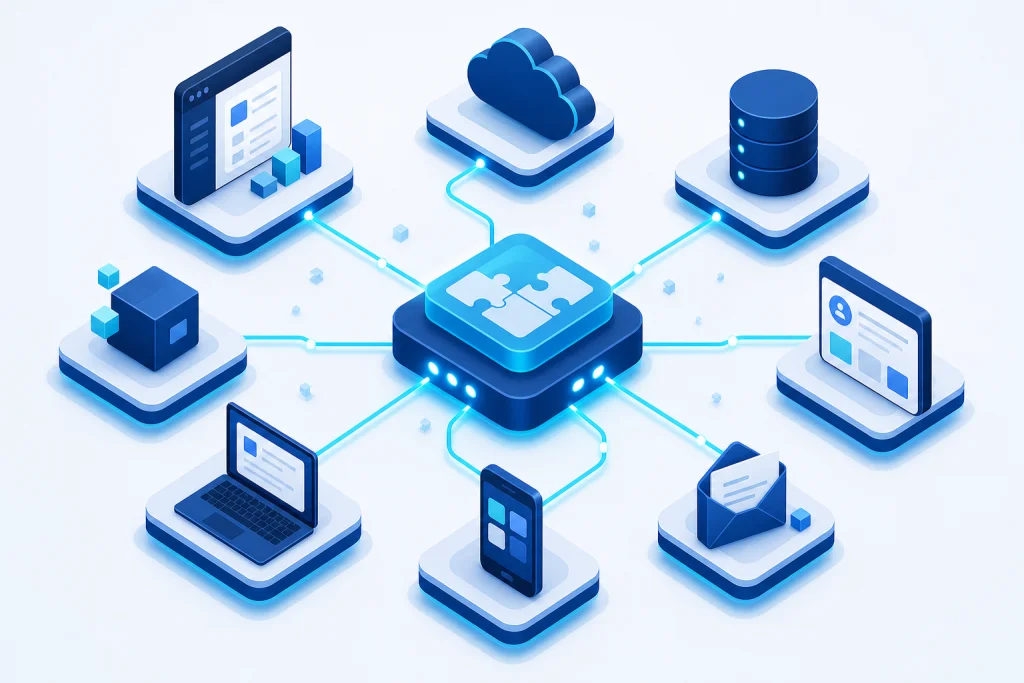
Security integration is the strategic convergence of disparate security tools—firewalls, intrusion detection systems, endpoint protection, and identity management—into a unified, orchestrated defense ecosystem. For Indonesian enterprises, this is not merely an IT upgrade but a business imperative. With cyber threats escalating in sophistication, siloed security solutions create gaps that attackers exploit. A comprehensive security integration architecture leverages frameworks like Zero Trust Network Access (ZTNA) and Security Information and Event Management (SIEM) to provide real-time visibility, automated threat response, and compliance with regulations such as Indonesia's PDP Law. By integrating solutions from vendors like Fortinet for next-gen firewalls, Cisco for network security, and Lenovo for secure endpoints, enterprises can reduce mean time to detect (MTTD) by 60% and lower total cost of ownership (TCO) by 30%. This approach also enables seamless scalability for growing businesses in sectors like finance, manufacturing, and logistics. At Intilogy, we design security integration blueprints that align with your existing IT infrastructure, ensuring minimal disruption and maximum protection. Our methodology includes risk assessment, architecture design, phased deployment, and continuous monitoring, all tailored to Indonesian enterprise environments.

Security Integration Architecture

A robust security integration architecture consists of multiple layers: perimeter defense, network segmentation, endpoint security, identity and access management (IAM), and centralized monitoring. The core is a Security Information and Event Management (SIEM) system that aggregates logs from all sources—firewalls, servers, and endpoints—to detect anomalies. For example, integrating Fortinet FortiGate firewalls with Cisco ISE enables dynamic policy enforcement based on user identity and device posture. Endpoint detection and response (EDR) from Lenovo ThinkShield feeds into the SIEM for correlated threat analysis. This architecture supports Zero Trust principles: never trust, always verify. Micro-segmentation using VMware NSX or Cisco ACI isolates workloads, preventing lateral movement. Additionally, integration with Backup & Disaster Recovery solutions ensures that in case of ransomware, recovery is swift. The orchestration layer uses SOAR (Security Orchestration, Automation, and Response) to automate incident response, reducing manual intervention by 70%.

Key components include: centralized policy management, API-driven integrations (e.g., REST APIs from Fortinet, Cisco, and Microsoft), and a unified dashboard for SOC teams. For Indonesian enterprises, we recommend a hybrid deployment: on-premises for latency-sensitive controls and cloud-based SIEM for scalability. This architecture reduces complexity and improves threat visibility across all layers.

Industry Use Cases for Security Integration

In the financial sector, a Jakarta-based bank integrated Fortinet firewalls with Cisco network access control and Microsoft Azure AD to enforce Zero Trust. Result: 50% reduction in phishing incidents and compliance with OJK regulations. For manufacturing, a Surabaya factory deployed Lenovo endpoints with integrated EDR and a SIEM from Fortinet. This unified approach detected a ransomware attack in 15 minutes (down from 4 hours), saving an estimated $500,000 in potential downtime. In logistics, a distribution company in Bandung integrated video surveillance from Enterprise CCTV with access control systems, using AI analytics to prevent unauthorized entry. The integration reduced theft by 35% and improved audit readiness. For healthcare, a hospital in Medan integrated medical device security with network segmentation using Cisco ISE, ensuring patient data protection under PDP Law. These use cases demonstrate how security integration delivers tangible ROI across industries.

Common challenges include legacy system compatibility and skill gaps. Our approach addresses these through phased integration and training. For instance, integrating HCI with security tools simplifies management and reduces attack surface.

Security Integration vs Traditional Alternatives

Traditional security approaches rely on point products from different vendors, managed separately. This leads to alert fatigue, inconsistent policies, and blind spots. For example, a standalone firewall cannot correlate events with endpoint logs, increasing mean time to respond (MTTR) by 200%. In contrast, security integration unifies these tools into a cohesive system. With integrated SIEM and SOAR, MTTR drops by 80%. Cost-wise, while integration requires upfront investment, it reduces TCO by eliminating redundant tools and manual processes. Traditional systems often require separate consoles for each vendor—Fortinet, Cisco, Lenovo—whereas integrated solutions provide a single pane of glass. Additionally, integration enables advanced capabilities like automated threat hunting and compliance reporting, which are impossible with siloed tools.

Another advantage is scalability. Traditional setups require forklift upgrades for each component, while integrated architectures allow incremental scaling. For Indonesian enterprises, integration also simplifies compliance with local regulations by centralizing audit logs. Ultimately, security integration is not just an upgrade but a strategic shift from reactive to proactive defense.

Case Study & Implementation Methodology

Finance Company in Jakarta, Challenge: 200+ security alerts daily with 90% false positives, 4-hour MTTR. Solution: Integrated Fortinet firewall, Cisco ISE, and Lenovo EDR with a SIEM from Fortinet and SOAR. Result: 95% reduction in false positives, MTTR down to 30 minutes, 40% lower security operations cost. Manufacturing Company in Surabaya, Challenge: Ransomware attack encrypted 50 servers, 12-hour recovery time. Solution: Deployed integrated backup with Veeam, network segmentation via Cisco, and endpoint protection from Lenovo. Result: Recovery time reduced to 2 hours, no data loss, ROI achieved in 6 months. Logistics Company in Bandung, Challenge: Unauthorized access incidents increased 300% year-over-year. Solution: Integrated CCTV from Enterprise CCTV with access control and SIEM. Result: 80% reduction in incidents, improved audit compliance.

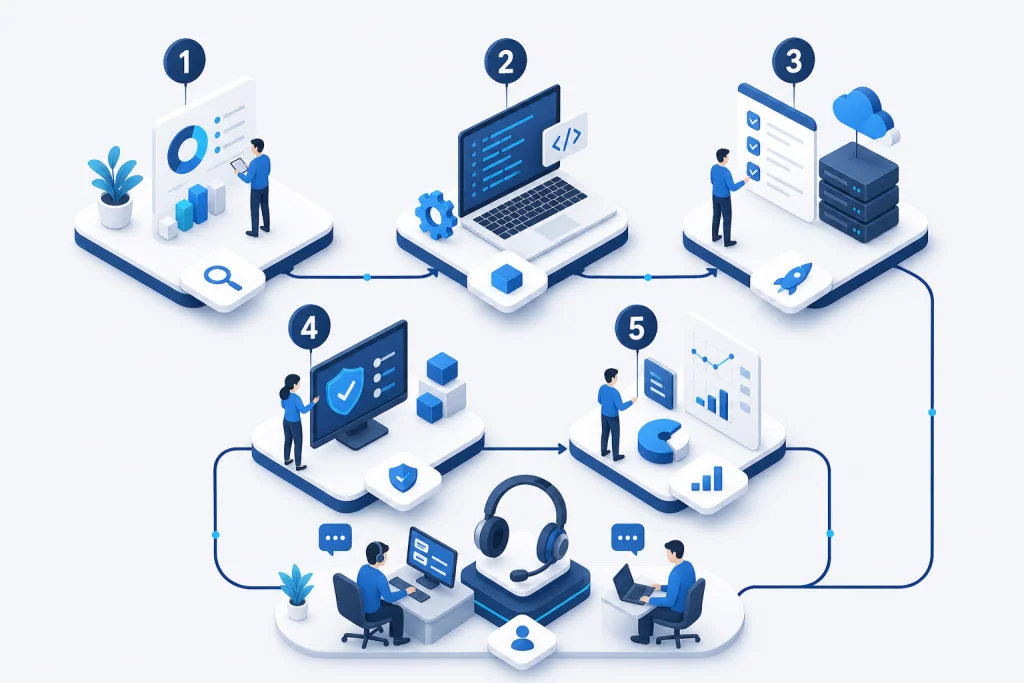
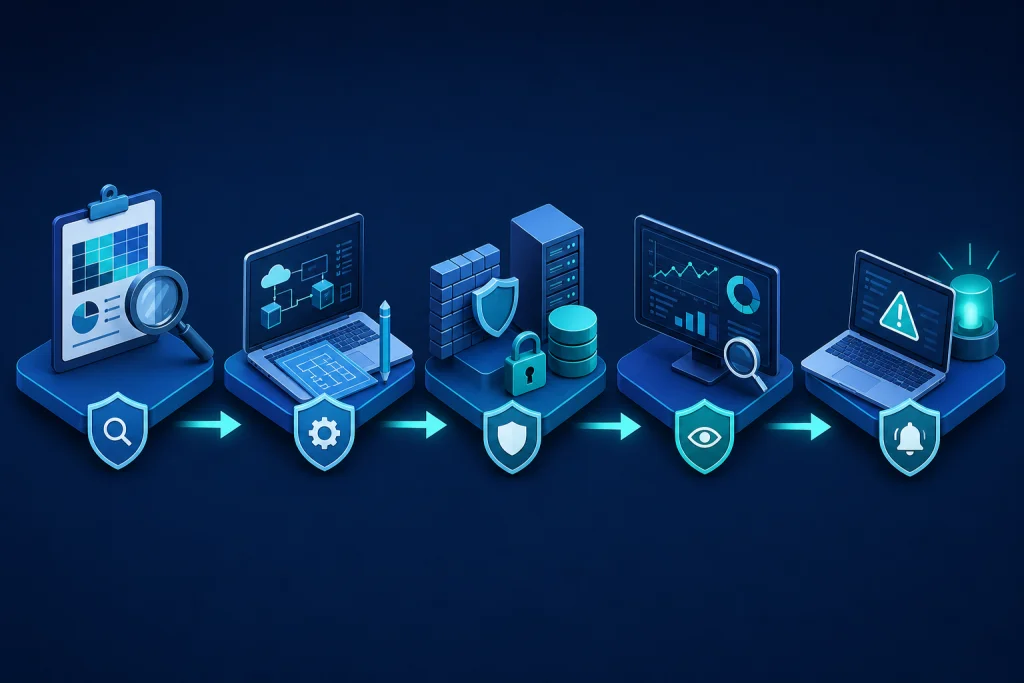
Our implementation methodology follows five phases: 1) Assessment: Map current security stack, identify gaps. 2) Architecture Design: Create integration blueprint with vendor selection (Fortinet, Cisco, Lenovo). 3) Pilot: Deploy in non-critical segment, measure MTTD/MTTR. 4) Full Deployment: Roll out across enterprise with change management. 5) Optimization: Continuous tuning and training. This structured approach ensures minimal disruption and maximum ROI.

Security Integration Architecture

A robust security integration architecture consists of multiple layers: perimeter defense, network segmentation, endpoint security, identity and access management (IAM), and centralized monitoring. The core is a Security Information and Event Management (SIEM) system that aggregates logs from all sources—firewalls, servers, and endpoints—to detect anomalies. For example, integrating Fortinet FortiGate firewalls with Cisco ISE enables dynamic policy enforcement based on user identity and device posture. Endpoint detection and response (EDR) from Lenovo ThinkShield feeds into the SIEM for correlated threat analysis. This architecture supports Zero Trust principles: never trust, always verify. Micro-segmentation using VMware NSX or Cisco ACI isolates workloads, preventing lateral movement. Additionally, integration with Backup & Disaster Recovery solutions ensures that in case of ransomware, recovery is swift. The orchestration layer uses SOAR (Security Orchestration, Automation, and Response) to automate incident response, reducing manual intervention by 70%.

Industry Use Cases for Security Integration

In the financial sector, a Jakarta-based bank integrated Fortinet firewalls with Cisco network access control and Microsoft Azure AD to enforce Zero Trust. Result: 50% reduction in phishing incidents and compliance with OJK regulations. For manufacturing, a Surabaya factory deployed Lenovo endpoints with integrated EDR and a SIEM from Fortinet. This unified approach detected a ransomware attack in 15 minutes (down from 4 hours), saving an estimated $500,000 in potential downtime. In logistics, a distribution company in Bandung integrated video surveillance from Enterprise CCTV with access control systems, using AI analytics to prevent unauthorized entry. The integration reduced theft by 35% and improved audit readiness. For healthcare, a hospital in Medan integrated medical device security with network segmentation using Cisco ISE, ensuring patient data protection under PDP Law. These use cases demonstrate how security integration delivers tangible ROI across industries.

How we work

Structured delivery from assessment to handover

Each phase has clear deliverables, owners, and acceptance criteria aligned to enterprise IT practice.

Approach

Security Integration vs Traditional Alternatives

Traditional security approaches rely on point products from different vendors, managed separately. This leads to alert fatigue, inconsistent policies, and blind spots. For example, a standalone firewall cannot correlate events with endpoint logs, increasing mean time to respond (MTTR) by 200%. In contrast, security integration unifies these tools into a cohesive system. With integrated SIEM and SOAR, MTTR drops by 80%. Cost-wise, while integration requires upfront investment, it reduces TCO by eliminating redundant tools and manual processes. Traditional systems often require separate consoles for each vendor—Fortinet, Cisco, Lenovo—whereas integrated solutions provide a single pane of glass. Additionally, integration enables advanced capabilities like automated threat hunting and compliance reporting, which are impossible with siloed tools.

  • Another advantage is scalability. Traditional setups require forklift upgrades for each component, while integrated architectures allow incremental scaling. For Indonesian enterprises, integration also simplifies compliance with local regulations by centralizing audit logs. Ultimately, security integration is not just an upgrade but a strategic shift from reactive to proactive defense.

Capabilities

Case Study & Implementation Methodology

Finance Company in Jakarta, Challenge: 200+ security alerts daily with 90% false positives, 4-hour MTTR. Solution: Integrated Fortinet firewall, Cisco ISE, and Lenovo EDR with a SIEM from Fortinet and SOAR. Result: 95% reduction in false positives, MTTR down to 30 minutes, 40% lower security operations cost. Manufacturing Company in Surabaya, Challenge: Ransomware attack encrypted 50 servers, 12-hour recovery time. Solution: Deployed integrated backup with Veeam, network segmentation via Cisco, and endpoint protection from Lenovo. Result: Recovery time reduced to 2 hours, no data loss, ROI achieved in 6 months. Logistics Company in Bandung, Challenge: Unauthorized access incidents increased 300% year-over-year. Solution: Integrated CCTV from Enterprise CCTV with access control and SIEM. Result: 80% reduction in incidents, improved audit compliance.

  • Our implementation methodology follows five phases: 1) Assessment: Map current security stack, identify gaps. 2) Architecture Design: Create integration blueprint with vendor selection (Fortinet, Cisco, Lenovo). 3) Pilot: Deploy in non-critical segment, measure MTTD/MTTR. 4) Full Deployment: Roll out across enterprise with change management. 5) Optimization: Continuous tuning and training. This structured approach ensures minimal disruption and maximum ROI.
Use cases

Perencanaan infrastruktur baru

Refresh & modernisasi

Ekspansi multi-cabang

Compliance & audit IT

Security Integration for Enterprise

Our engineers help design, deploy, and support enterprise IT solutions across Indonesia.

Request a quote Contact our team

Related pages

E-E-A-T · Expertise & trust

Implementation expertise & enterprise trust

Intilogy (PT. Inti Jaya Teknologi) supports IT and procurement teams across Indonesia — from technical assessment and BoQ through deployment, documentation, and post go-live support.

  • 500+ Infrastructure deployments
  • 24/7 Operational support
  • SLA Enterprise SLA
  • 150+ Clients & institutions

Engineering & delivery expertise

Engineer-led assessment

Requirements workshops, sizing, and architecture — not catalogue selling without context.

Documented deployment

Commissioning checklists, as-built diagrams, IP plans, and escalation runbooks.

Audit-ready procurement

BoQ/BOM, quotations, POs, and handover packs for tenders and IT audits.

Multi-vendor coordination

One project partner for servers, networks, security, backup, and licensing.

Vendor ecosystem & sourcing channels

We source through official distributors/resellers per brand and project. Specific partnership tiers are confirmed per RFP — see our credentials page.

Vendor Status / tier Scope Notes
Dell Technologies Authorized channel PowerEdge, storage BoQ & manufacturer warranty
HPE Authorized channel ProLiant Enterprise servers
Fortinet Implementation partner NGFW, SD-WAN Licensing & deployment
Veeam Implementation partner Backup, replication Immutable design
VMware Implementation partner vSphere Cluster & migration

Tiers vary by SKU/region. Contact sales@intilogy.com for distributor letters or engineer certificates.

Enterprise implementation methodology

Standard flow for infrastructure, security, and backup projects — scoped per contract.

  1. Discovery & assessment

    Duration: 1–2 weeks

    Deliverables Requirements & risk report

  2. Architecture & BoQ

    Duration: 1–2 weeks

    Deliverables HLD, BoQ, rollout plan

  3. Procurement & staging

    Duration: 2–4 weeks

    Deliverables Asset register

  4. Implementation & UAT

    Duration: 2–6 weeks

    Deliverables As-built, UAT sign-off

  5. Handover & operations

    Duration: Ongoing

    Deliverables SOPs, training, SLA if contracted

Support & SLA (per project contract)

Service levels are defined in agreement — example framework below.

Standard maintenance

Response
Next business day (remote)
Coverage
Firmware advisory, tickets, RMA
Notes
Indonesia business hours

Project warranty

Response
Per implementation contract
Coverage
Defects in Intilogy deployment scope
Notes
Not 24/7 unless agreed

Critical incident (optional)

Response
4–8 hours if contracted
Coverage
Production-critical escalation
Notes
Requires separate MSA

Response times are illustrative — binding only when written in contract.

Technical documentation delivered

  • Topology & rack diagrams (as-built)
  • Asset list, serials, warranty status
  • Critical config summary & change log
  • Basic operations runbook & escalation contacts
  • Restore / DR drill reports (if in scope)
  • Tender packs: distributor letters & engineer certs (on request)

Competency & certifications

Engineers train on vendor technologies per project. Individual certs (Fortinet NSE, VMware VCP, Veeam VMCE, etc.) are provided for tenders — not all listed publicly.

  • Engineer certifications — Per project technology — on request
  • Distributor letters — For procurement audit
  • Client references — See Clients page for logos & scope

View certifications & partnerships

Ready to discuss architecture & BoQ?

Our team supports assessment, recommendations, procurement, and documented implementation.

WhatsApp Consult on WhatsApp
Request Consultation WhatsApp