IT Asset Management Architecture
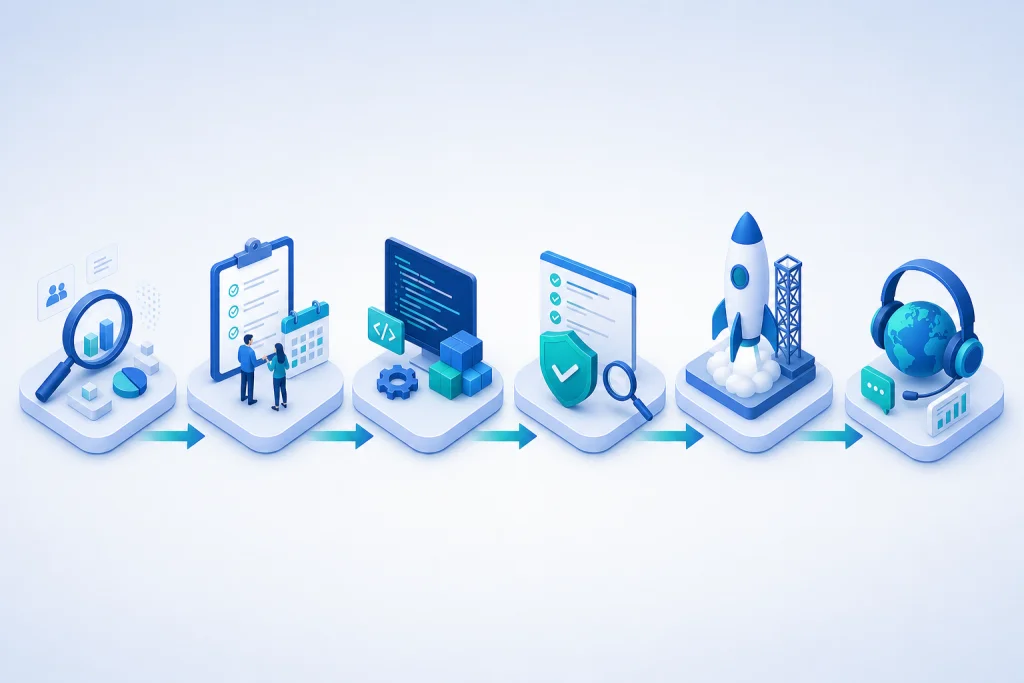
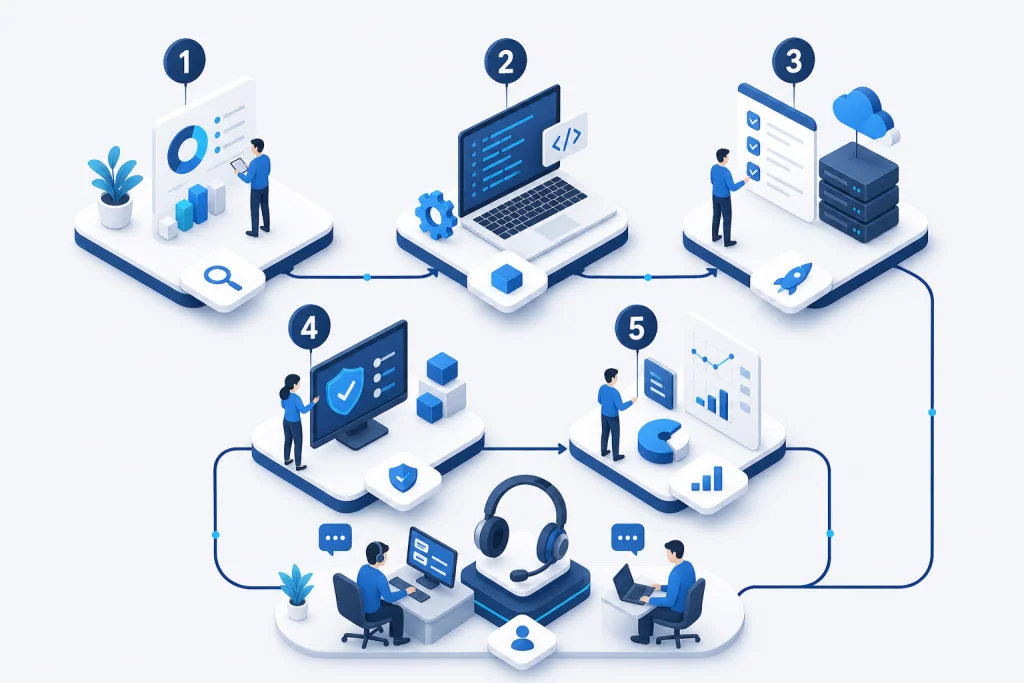
A robust ITAM architecture comprises several layers: discovery, inventory, lifecycle management, and reporting. At the core is an asset repository (CMDB) that integrates with discovery tools like Microsoft SCCM, VMware vRealize, or open-source solutions such as OCS Inventory. These tools automatically scan network segments to identify hardware assets (servers, workstations, network devices from Cisco, Fortinet, Ruijie) and software installations (Microsoft, VMware, Veeam). The architecture must support both agent-based and agentless discovery to cover all endpoints, including remote offices and cloud instances in AWS or Azure.
Lifecycle management workflows automate procurement, deployment, maintenance, and retirement. For example, when a Lenovo server reaches end-of-life, the system triggers a refresh request and updates the budget forecast. Integration with financial systems (e.g., SAP, Oracle) ensures accurate depreciation and cost allocation. Additionally, software license management modules track Microsoft and VMware licenses to prevent over-deployment and non-compliance. Reporting dashboards provide executives with real-time metrics on asset utilization, warranty status, and total cost of ownership (TCO). For high-security environments, the architecture can incorporate ITAM within a zero-trust framework, ensuring that only authorized assets connect to the network.
Industry Use Cases for IT Asset Management
In the banking sector, ITAM is essential for compliance with BI regulations and audit requirements. A bank in Jakarta uses Intilogy's ITAM to track 10,000+ endpoints across 200 branches, ensuring that all HP and Dell workstations have updated antivirus and patching. The system automatically reconciles software licenses from Microsoft, reducing audit penalties by 40%.
Manufacturing companies in Surabaya leverage ITAM to manage industrial IoT devices and PLCs alongside traditional IT assets. By integrating with Server & Storage solutions from Synology and QNAP, they achieve real-time visibility into asset health, reducing downtime by 25%. Retail chains with hundreds of outlets use ITAM to standardize POS systems and network equipment from Ruijie, ensuring consistent performance and rapid replacement of faulty units. In the healthcare sector, ITAM supports compliance with patient data protection laws by tracking devices that access electronic medical records, flagging any unauthorized Lenovo laptops or tablets.
IT Asset Management vs Traditional Alternatives
Traditional asset management often relies on spreadsheets or manual audits, leading to errors, outdated data, and lack of integration. For example, a manual count of Cisco switches in a data center may miss devices in remote racks, resulting in unmanaged assets and security gaps. In contrast, ITAM with automated discovery and CMDB provides a single source of truth, updated in near real-time.
Another alternative is using basic inventory tools like Excel or Google Sheets, which lack lifecycle management and license compliance features. ITAM solutions from Intilogy offer proactive alerts for warranty expirations, software license true-ups, and hardware refresh cycles. For instance, when VMware licenses are underutilized, the system recommends consolidation, saving costs. Additionally, ITAM integrates with Backup & Disaster Recovery to ensure that assets are covered by backup policies. While traditional methods require manual effort and are prone to human error, ITAM automates workflows, reduces operational overhead by 50%, and provides auditable trails for compliance.
Case Study & Implementation Methodology
A financial services company in Jakarta, with 5,000 employees across 50 branches, faced challenges in tracking IT assets manually. They had 30% of assets unaccounted for, leading to redundant purchases and non-compliance with Microsoft licensing. Challenge: 1,200 unmanaged laptops and 200 servers from Lenovo and HP with unknown warranty status. Solution: Intilogy deployed an ITAM solution integrating Microsoft SCCM for discovery and ServiceNow for CMDB. The system discovered all assets within 2 weeks, automated license reconciliation, and set up lifecycle workflows. Result: 95% asset visibility, 20% reduction in hardware costs through optimized refresh cycles, and 100% license compliance, saving $500K annually.
Implementation methodology follows a phased approach: Phase 1 (Assessment): Conduct a pilot discovery in the head office to validate tool capabilities. Phase 2 (Deployment): Roll out agents to all endpoints and integrate with existing systems like Active Directory and HCI infrastructure. Phase 3 (Optimization): Configure workflows for procurement, maintenance, and disposal. Phase 4 (Governance): Establish policies for asset tagging, user accountability, and periodic audits. Throughout, Intilogy provides training and support, ensuring the client achieves a 12-month ROI of 150%.