Enterprise IT Solutions

Point of Sale Solution for Enterprise

A Point of Sale (POS) solution is the critical transactional engine for retail, hospitality, and wholesale enterprises in Indonesia. Modern enterprise POS systems go beyond simple payment processing; they integrate inventory management, customer relationship management (CRM), real-time analytics, and multi-location synchronization. For B2B operations in Indonesia, where fragmented supply chains and diverse payment methods (cash, QRIS, bank transfers) are common, a robust POS architecture must support offline mode, high transaction throughput, and seamless integration with ERP systems like SAP or Oracle. Hardware components typically include touchscreen terminals, barcode scanners, receipt printers, and cash drawers, often sourced from brands like Lenovo, HP, or Dell. The software layer should be cloud-enabled for centralized management but resilient with local caching to handle internet disruptions—a frequent challenge in Indonesian archipelagos. Security is paramount: PCI-DSS compliance, encrypted payment data, and role-based access controls. Additionally, integration with Enterprise CCTV and Enterprise WiFi solutions can enhance loss prevention and network reliability. An enterprise POS solution in Indonesia must also accommodate local tax regulations (PPN) and multi-currency transactions for tourism-heavy regions like Bali. By deploying a scalable POS system, enterprises can reduce checkout times by up to 30%, improve inventory accuracy to 99%, and gain real-time visibility into sales performance across all outlets.

Point of Sale Solution Architecture

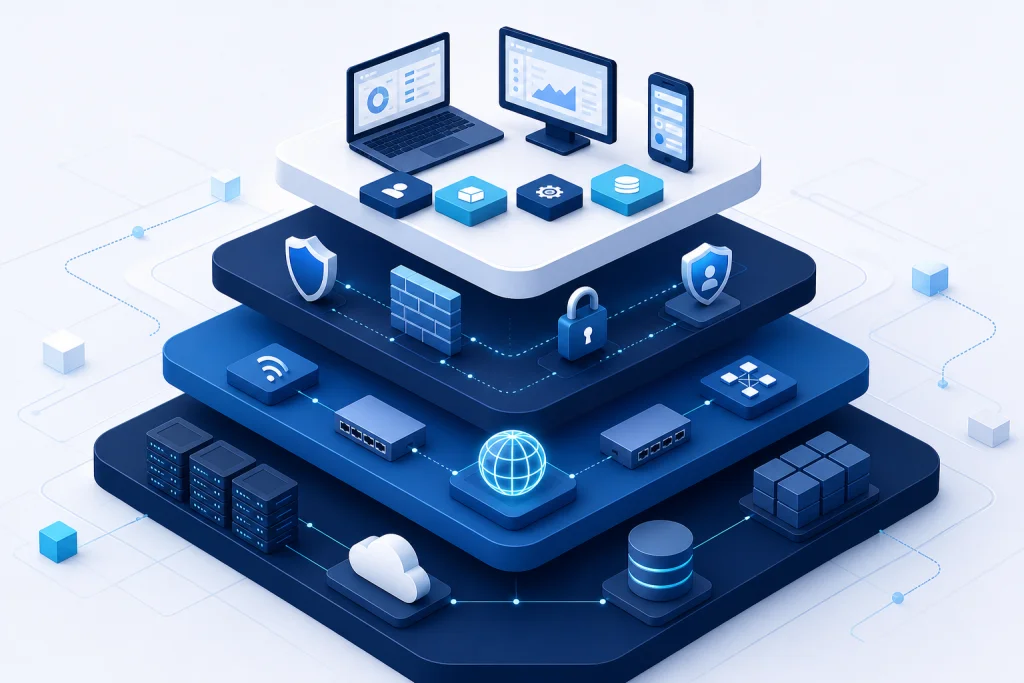
A robust enterprise POS architecture comprises three layers: hardware, software, and network. The hardware layer includes POS terminals (e.g., Lenovo ThinkCentre or HP ElitePOS), peripherals (barcode scanners, thermal printers, customer-facing displays), and payment terminals supporting NFC, EMV, and QRIS. The software layer typically runs on a hybrid cloud model: a central server (on-premise or cloud) handles transaction processing, inventory synchronization, and reporting, while local agents on each terminal ensure offline functionality. The network layer must be redundant, often using Networking solutions from Cisco or Ruijie, with failover via 4G/5G. Data storage is critical: transactional data is stored on high-availability Server & Storage systems, with backups to Synology or QNAP NAS devices. For multi-location enterprises, a centralized database with real-time replication ensures consistent pricing and inventory across stores. Security is enforced through VLAN segmentation, firewall rules (e.g., Fortinet), and endpoint protection. The architecture must also integrate with back-office systems via APIs, including ERP, accounting, and e-commerce platforms.

Industry Use Cases for Point of Sale Solution

In the retail sector, POS solutions enable omnichannel operations—unifying online and offline sales, managing click-and-collect, and providing real-time stock visibility. For example, a fashion retailer in Jakarta can use POS to track inventory across 50 stores, automatically replenish best-sellers, and analyze customer purchase patterns. In hospitality, POS systems handle table management, split bills, and integrate with kitchen display systems (KDS) for faster service. A hotel chain in Bali can leverage POS for F&B outlets, spa bookings, and mini-bar charges, all linked to the property management system (PMS). For wholesale and distribution, POS solutions support bulk pricing, credit sales, and delivery orders. A construction material supplier in Surabaya can process large orders with custom discounts, manage fleet deliveries, and sync with Hybrid Cloud for remote branch access. Additionally, POS systems are increasingly used in healthcare facilities for patient billing and pharmacy management, ensuring compliance with BPJS Kesehatan claims. The flexibility of modern POS architectures allows customization for verticals like quick-service restaurants (QSR), grocery chains, and fuel stations, each with specific workflows and regulatory requirements.

Point of Sale Solution vs Traditional Alternatives

Traditional POS systems, often legacy on-premise solutions, suffer from limited scalability, high maintenance costs, and lack of real-time data. They typically require dedicated servers, manual software updates, and are prone to data silos. In contrast, modern enterprise POS solutions leverage cloud-based or hybrid architectures, offering centralized management, automatic updates, and real-time analytics. For example, a traditional system might require a week to roll out price changes across 100 stores, while a modern POS can do it in minutes via the cloud. Additionally, traditional POS often lacks integration capabilities, forcing manual data entry into ERP systems. Modern POS APIs enable seamless integration with HCI infrastructure and Backup & Disaster Recovery solutions, ensuring business continuity. Another key difference is mobility: traditional systems are fixed at counters, while modern POS supports mobile devices (tablets, smartphones) for line busting and curbside pickup. Security is also superior in modern systems, with end-to-end encryption, tokenization, and compliance with PCI-DSS v4.0. While the upfront cost of modern POS may be higher, the total cost of ownership (TCO) is lower due to reduced hardware requirements, lower IT overhead, and increased operational efficiency.

Case Study & Implementation Methodology

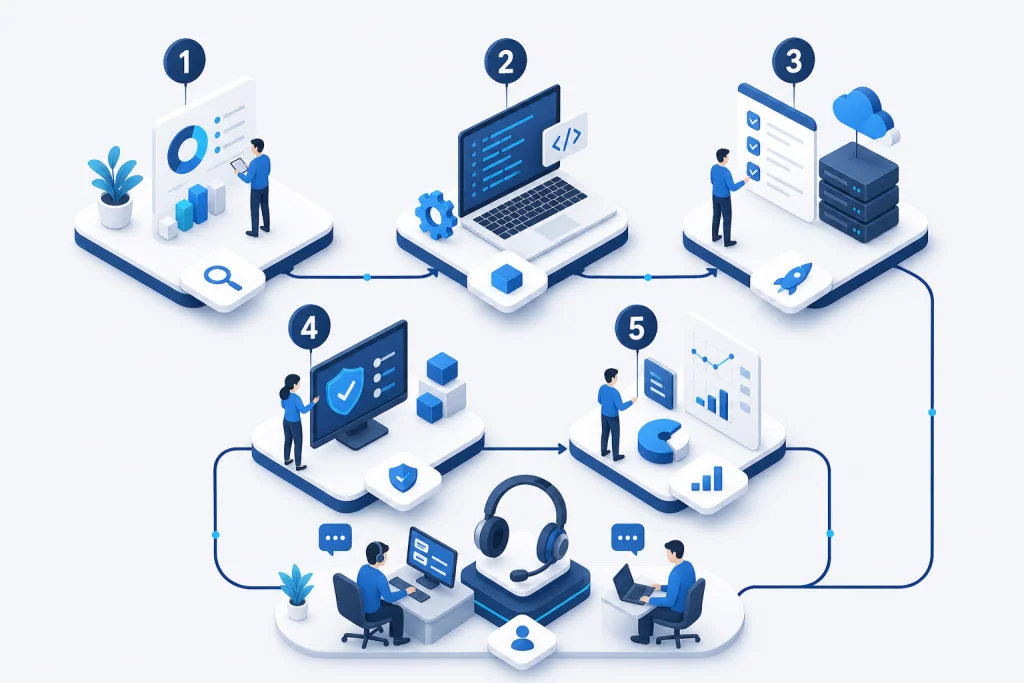
Implementation of an enterprise POS solution follows a phased methodology: assessment, design, deployment, integration, and optimization. In the assessment phase, we analyze transaction volumes (e.g., 10,000 transactions/day across 20 outlets), network latency, and existing hardware. The design phase selects appropriate hardware (e.g., Lenovo terminals with Synology NAS for local storage) and software (e.g., cloud-based POS with offline mode). Deployment includes pilot testing in 2-3 stores, followed by phased rollout. Integration with ERP (e.g., SAP) and payment gateways is tested in staging. A concrete example: a retail chain in Bandung with 15 stores faced 15% inventory shrinkage and 20-minute checkout queues. We deployed a POS solution with RFID integration, real-time inventory sync, and mobile POS for peak hours. Result: inventory accuracy improved to 98%, checkout time reduced to 5 minutes, and sales increased by 12% due to better stock availability. Another case: a hospitality group in Jakarta with 5 hotels implemented a unified POS for F&B and room charges, integrated with PMS and accounting. They achieved 30% faster billing, reduced revenue leakage by 8%, and gained real-time visibility into outlet performance. Post-implementation, continuous monitoring and optimization using analytics dashboards ensure the system adapts to changing business needs.

Point of Sale Solution Architecture

A robust enterprise POS architecture comprises three layers: hardware, software, and network. The hardware layer includes POS terminals (e.g., Lenovo ThinkCentre or HP ElitePOS), peripherals (barcode scanners, thermal printers, customer-facing displays), and payment terminals supporting NFC, EMV, and QRIS. The software layer typically runs on a hybrid cloud model: a central server (on-premise or cloud) handles transaction processing, inventory synchronization, and reporting, while local agents on each terminal ensure offline functionality. The network layer must be redundant, often using Networking solutions from Cisco or Ruijie, with failover via 4G/5G. Data storage is critical: transactional data is stored on high-availability Server & Storage systems, with backups to Synology or QNAP NAS devices. For multi-location enterprises, a centralized database with real-time replication ensures consistent pricing and inventory across stores. Security is enforced through VLAN segmentation, firewall rules (e.g., Fortinet), and endpoint protection. The architecture must also integrate with back-office systems via APIs, including ERP, accounting, and e-commerce platforms.

Industry Use Cases for Point of Sale Solution

In the retail sector, POS solutions enable omnichannel operations—unifying online and offline sales, managing click-and-collect, and providing real-time stock visibility. For example, a fashion retailer in Jakarta can use POS to track inventory across 50 stores, automatically replenish best-sellers, and analyze customer purchase patterns. In hospitality, POS systems handle table management, split bills, and integrate with kitchen display systems (KDS) for faster service. A hotel chain in Bali can leverage POS for F&B outlets, spa bookings, and mini-bar charges, all linked to the property management system (PMS). For wholesale and distribution, POS solutions support bulk pricing, credit sales, and delivery orders. A construction material supplier in Surabaya can process large orders with custom discounts, manage fleet deliveries, and sync with Hybrid Cloud for remote branch access. Additionally, POS systems are increasingly used in healthcare facilities for patient billing and pharmacy management, ensuring compliance with BPJS Kesehatan claims. The flexibility of modern POS architectures allows customization for verticals like quick-service restaurants (QSR), grocery chains, and fuel stations, each with specific workflows and regulatory requirements.

How we work

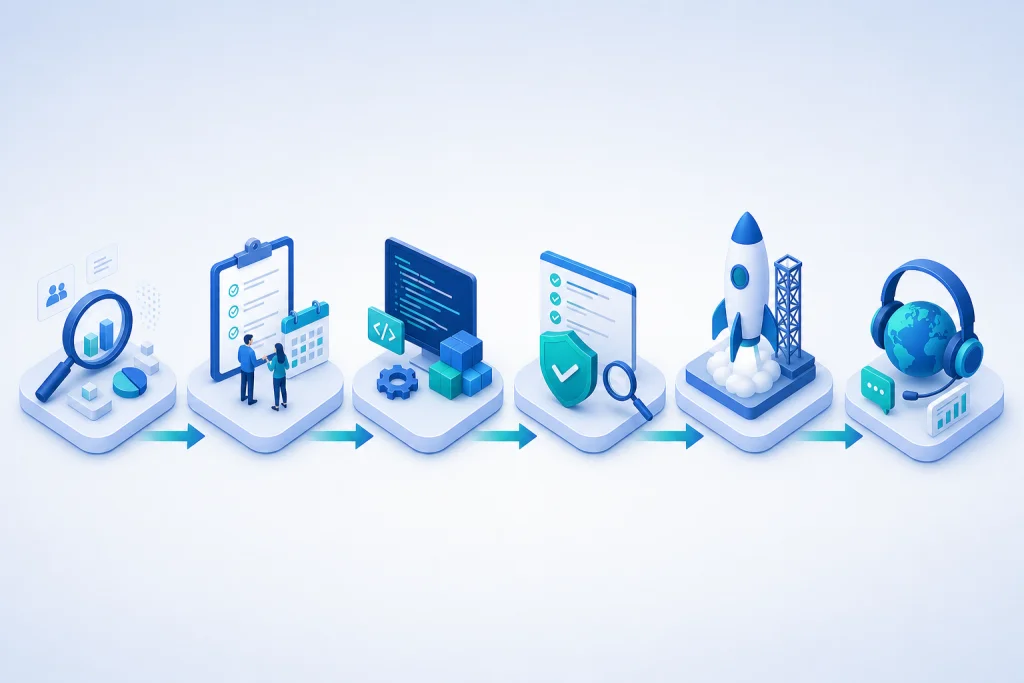
Structured delivery from assessment to handover

Each phase has clear deliverables, owners, and acceptance criteria aligned to enterprise IT practice.

Approach

Point of Sale Solution vs Traditional Alternatives

Traditional POS systems, often legacy on-premise solutions, suffer from limited scalability, high maintenance costs, and lack of real-time data. They typically require dedicated servers, manual software updates, and are prone to data silos. In contrast, modern enterprise POS solutions leverage cloud-based or hybrid architectures, offering centralized management, automatic updates, and real-time analytics. For example, a traditional system might require a week to roll out price changes across 100 stores, while a modern POS can do it in minutes via the cloud. Additionally, traditional POS often lacks integration capabilities, forcing manual data entry into ERP systems. Modern POS APIs enable seamless integration with HCI infrastructure and Backup & Disaster Recovery solutions, ensuring business continuity. Another key difference is mobility: traditional systems are fixed at counters, while modern POS supports mobile devices (tablets, smartphones) for line busting and curbside pickup. Security is also superior in modern systems, with end-to-end encryption, tokenization, and compliance with PCI-DSS v4.0. While the upfront cost of modern POS may be higher, the total cost of ownership (TCO) is lower due to reduced hardware requirements, lower IT overhead, and increased operational efficiency.

Capabilities

Case Study & Implementation Methodology

Implementation of an enterprise POS solution follows a phased methodology: assessment, design, deployment, integration, and optimization. In the assessment phase, we analyze transaction volumes (e.g., 10,000 transactions/day across 20 outlets), network latency, and existing hardware. The design phase selects appropriate hardware (e.g., Lenovo terminals with Synology NAS for local storage) and software (e.g., cloud-based POS with offline mode). Deployment includes pilot testing in 2-3 stores, followed by phased rollout. Integration with ERP (e.g., SAP) and payment gateways is tested in staging. A concrete example: a retail chain in Bandung with 15 stores faced 15% inventory shrinkage and 20-minute checkout queues. We deployed a POS solution with RFID integration, real-time inventory sync, and mobile POS for peak hours. Result: inventory accuracy improved to 98%, checkout time reduced to 5 minutes, and sales increased by 12% due to better stock availability. Another case: a hospitality group in Jakarta with 5 hotels implemented a unified POS for F&B and room charges, integrated with PMS and accounting. They achieved 30% faster billing, reduced revenue leakage by 8%, and gained real-time visibility into outlet performance. Post-implementation, continuous monitoring and optimization using analytics dashboards ensure the system adapts to changing business needs.
Use cases

Perencanaan infrastruktur baru

Refresh & modernisasi

Ekspansi multi-cabang

Compliance & audit IT

Point of Sale Solution for Enterprise

Our engineers help design, deploy, and support enterprise IT solutions across Indonesia.

Request a quote Contact our team

Related pages

E-E-A-T · Expertise & trust

Implementation expertise & enterprise trust

Intilogy (PT. Inti Jaya Teknologi) supports IT and procurement teams across Indonesia — from technical assessment and BoQ through deployment, documentation, and post go-live support.

  • 500+ Infrastructure deployments
  • 24/7 Operational support
  • SLA Enterprise SLA
  • 150+ Clients & institutions

Engineering & delivery expertise

Engineer-led assessment

Requirements workshops, sizing, and architecture — not catalogue selling without context.

Documented deployment

Commissioning checklists, as-built diagrams, IP plans, and escalation runbooks.

Audit-ready procurement

BoQ/BOM, quotations, POs, and handover packs for tenders and IT audits.

Multi-vendor coordination

One project partner for servers, networks, security, backup, and licensing.

Vendor ecosystem & sourcing channels

We source through official distributors/resellers per brand and project. Specific partnership tiers are confirmed per RFP — see our credentials page.

Vendor Status / tier Scope Notes
Dell Technologies Authorized channel PowerEdge, storage BoQ & manufacturer warranty
HPE Authorized channel ProLiant Enterprise servers
Fortinet Implementation partner NGFW, SD-WAN Licensing & deployment
Veeam Implementation partner Backup, replication Immutable design
VMware Implementation partner vSphere Cluster & migration

Tiers vary by SKU/region. Contact sales@intilogy.com for distributor letters or engineer certificates.

Enterprise implementation methodology

Standard flow for infrastructure, security, and backup projects — scoped per contract.

  1. Discovery & assessment

    Duration: 1–2 weeks

    Deliverables Requirements & risk report

  2. Architecture & BoQ

    Duration: 1–2 weeks

    Deliverables HLD, BoQ, rollout plan

  3. Procurement & staging

    Duration: 2–4 weeks

    Deliverables Asset register

  4. Implementation & UAT

    Duration: 2–6 weeks

    Deliverables As-built, UAT sign-off

  5. Handover & operations

    Duration: Ongoing

    Deliverables SOPs, training, SLA if contracted

Support & SLA (per project contract)

Service levels are defined in agreement — example framework below.

Standard maintenance

Response
Next business day (remote)
Coverage
Firmware advisory, tickets, RMA
Notes
Indonesia business hours

Project warranty

Response
Per implementation contract
Coverage
Defects in Intilogy deployment scope
Notes
Not 24/7 unless agreed

Critical incident (optional)

Response
4–8 hours if contracted
Coverage
Production-critical escalation
Notes
Requires separate MSA

Response times are illustrative — binding only when written in contract.

Technical documentation delivered

  • Topology & rack diagrams (as-built)
  • Asset list, serials, warranty status
  • Critical config summary & change log
  • Basic operations runbook & escalation contacts
  • Restore / DR drill reports (if in scope)
  • Tender packs: distributor letters & engineer certs (on request)

Competency & certifications

Engineers train on vendor technologies per project. Individual certs (Fortinet NSE, VMware VCP, Veeam VMCE, etc.) are provided for tenders — not all listed publicly.

  • Engineer certifications — Per project technology — on request
  • Distributor letters — For procurement audit
  • Client references — See Clients page for logos & scope

View certifications & partnerships

Ready to discuss architecture & BoQ?

Our team supports assessment, recommendations, procurement, and documented implementation.

WhatsApp Consult on WhatsApp
Request Consultation WhatsApp