Enterprise IT Solutions

Supply Chain Visibility for Enterprise

Supply Chain Visibility (SCV) is a critical capability for enterprises operating in Indonesia's complex logistics landscape. It refers to the ability to track and monitor inventory, shipments, and production in real-time across the entire supply chain network—from raw material suppliers to end customers. For B2B enterprises, achieving true visibility requires integrating IoT sensors, cloud-based platforms, and advanced analytics to capture data at every node. Without it, businesses face stockouts, delayed deliveries, and inflated operational costs. In Indonesia, where archipelagic geography and infrastructure gaps amplify supply chain risks, SCV solutions from partners like Cisco and Microsoft enable real-time tracking via RFID, GPS, and telematics. These systems feed into centralized dashboards that provide actionable insights, such as predictive ETAs and bottleneck alerts. By leveraging edge computing and hybrid cloud architectures, enterprises can process data locally for low-latency decisions while syncing to the cloud for enterprise-wide analytics. The result is a 20-30% reduction in inventory carrying costs and a 15-20% improvement in on-time delivery rates. For Indonesian enterprises, SCV is not just a tool but a strategic imperative to compete in global markets.

Supply Chain Visibility Architecture

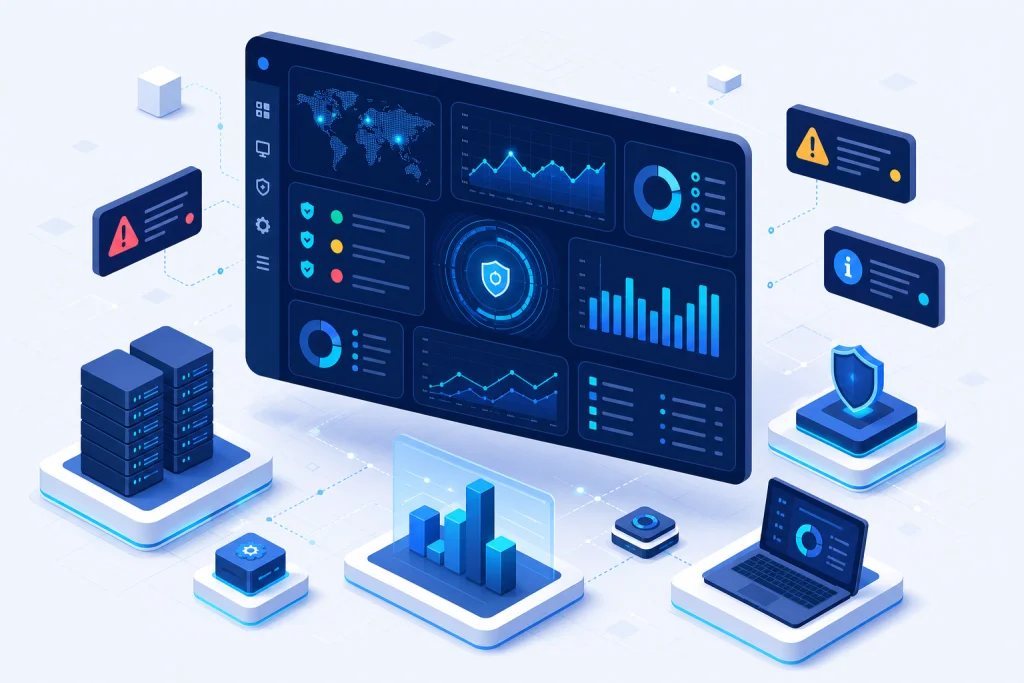
A robust SCV architecture consists of four layers: data acquisition, communication, integration, and analytics. At the acquisition layer, IoT sensors (e.g., temperature, humidity, vibration) and RFID tags from Lenovo edge devices capture granular data. These sensors connect via LPWAN, 5G, or Wi-Fi to the communication layer, which includes ruggedized gateways from Cisco and Ruijie. Data then flows to the integration layer, where middleware (e.g., Microsoft Azure IoT Hub) normalizes and streams it into ERP systems like SAP or Oracle. Finally, the analytics layer uses machine learning models to detect anomalies and predict disruptions. For Indonesian enterprises, edge computing is crucial to overcome network latency—processing data at the source ensures real-time visibility even in remote ports or warehouses. A typical deployment includes on-premises edge servers from HP or Dell that run containerized analytics, with periodic sync to the cloud for long-term storage and AI training.

Security is built into every layer: encrypted communication via TLS 1.3, role-based access control, and immutable audit logs stored on Synology NAS. The architecture also supports multi-tenancy for 3PL providers, allowing granular visibility per client. Scalability is achieved through microservices deployed on Kubernetes, enabling the addition of new sensors or data sources without downtime. For instance, a Jakarta-based manufacturer can start with 100 sensors and scale to 10,000 as operations grow.

Industry Use Cases for Supply Chain Visibility

In Indonesia, SCV is transformative across key industries. For automotive manufacturing, real-time tracking of parts from Cikarang to assembly plants reduces line-side inventory by 25%. A tier-1 supplier in Batam uses RFID tags from QNAP and edge analytics to detect shipment delays, automatically rerouting via alternative ports. In cold chain logistics, temperature-sensitive pharmaceuticals require continuous monitoring. A Bandung-based distributor deployed IoT sensors from Lenovo and Azure IoT to maintain 2-8°C compliance, reducing spoilage by 18%. For retail, a Surabaya e-commerce warehouse uses RFID-enabled conveyor belts and dashboards to achieve 99.9% inventory accuracy, enabling same-day delivery promises. In mining, SCV tracks heavy equipment utilization across Kalimantan sites, optimizing maintenance schedules and reducing downtime by 30%. Each use case leverages a combination of networking infrastructure and hybrid cloud storage to ensure data integrity and low-latency access.

Cross-industry benefits include improved supplier compliance: automated alerts when a vendor misses a shipment window, with penalties enforced via smart contracts. For Indonesian enterprises, SCV also supports regulatory compliance for halal certification and customs clearance, as every transfer is timestamped and auditable.

Supply Chain Visibility vs Traditional Alternatives

Traditional supply chain management relies on manual data entry, periodic inventory counts, and siloed systems like standalone WMS or TMS. This leads to 2-3 day data latency, 15% error rates in inventory records, and reactive decision-making. In contrast, SCV provides real-time visibility with sub-second latency, automated data capture via IoT, and integrated dashboards. For example, a traditional approach might use spreadsheets to track shipments, resulting in 40% of deliveries being delayed without early warning. SCV with predictive analytics can forecast delays 48 hours in advance, allowing proactive rerouting. Cost-wise, traditional systems require significant manual labor for data reconciliation, while SCV reduces labor costs by 30% and inventory carrying costs by 20%. Additionally, traditional alternatives lack end-to-end traceability, making it difficult to pinpoint issues like theft or damage. SCV with blockchain integration (via VMware blockchain) provides immutable provenance records, reducing shrinkage by 15%.

Another key difference is scalability: traditional systems require forklift upgrades to handle new SKUs or locations, while SCV platforms are cloud-native and can scale elastically. For Indonesian enterprises with fluctuating demand, SCV's pay-as-you-go model from providers like Microsoft Azure is more cost-effective than on-premise legacy systems. Security also differs: traditional systems often lack encryption and access controls, exposing data to breaches. SCV incorporates cybersecurity best practices, including network segmentation via Fortinet firewalls and endpoint protection.

Case Study & Implementation Methodology

Pharmaceutical Distributor in Jakarta: Challenge: 25% spoilage rate for vaccines due to temperature excursions during last-mile delivery. Solution: Deployed IoT temperature sensors from Lenovo with Azure IoT Edge, integrated with SAP ECC via Microsoft integration services. Real-time alerts triggered immediate corrective actions. Result: Spoilage reduced to 5%, saving IDR 2.5 billion annually. On-time delivery improved from 78% to 95%.

Automotive Parts Manufacturer in Batam: Challenge: 30% excess inventory due to poor visibility into supplier lead times. Solution: Implemented RFID-based tracking from QNAP with predictive analytics on HCI infrastructure. Result: Inventory turnover increased by 40%, carrying costs reduced by IDR 1.8 billion per year.

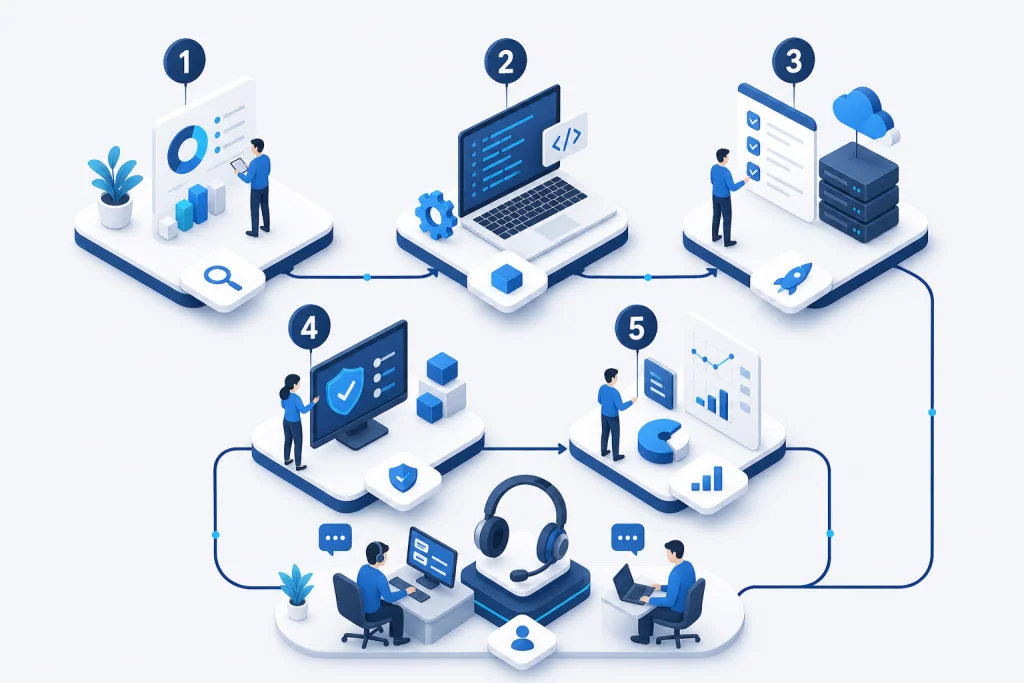
Implementation Methodology follows a phased approach: Phase 1 (Assessment) maps current processes and identifies data gaps; Phase 2 (Pilot) deploys sensors on a single product line or warehouse; Phase 3 (Scale) rolls out to full operations with IT infrastructure upgrades; Phase 4 (Optimize) leverages AI for predictive insights. Each phase includes change management and training. Key success metrics include 99.9% data accuracy, <10 second latency, and 20% ROI within 12 months.

Supply Chain Visibility Architecture

A robust SCV architecture consists of four layers: data acquisition, communication, integration, and analytics. At the acquisition layer, IoT sensors (e.g., temperature, humidity, vibration) and RFID tags from Lenovo edge devices capture granular data. These sensors connect via LPWAN, 5G, or Wi-Fi to the communication layer, which includes ruggedized gateways from Cisco and Ruijie. Data then flows to the integration layer, where middleware (e.g., Microsoft Azure IoT Hub) normalizes and streams it into ERP systems like SAP or Oracle. Finally, the analytics layer uses machine learning models to detect anomalies and predict disruptions. For Indonesian enterprises, edge computing is crucial to overcome network latency—processing data at the source ensures real-time visibility even in remote ports or warehouses. A typical deployment includes on-premises edge servers from HP or Dell that run containerized analytics, with periodic sync to the cloud for long-term storage and AI training.

Industry Use Cases for Supply Chain Visibility

In Indonesia, SCV is transformative across key industries. For automotive manufacturing, real-time tracking of parts from Cikarang to assembly plants reduces line-side inventory by 25%. A tier-1 supplier in Batam uses RFID tags from QNAP and edge analytics to detect shipment delays, automatically rerouting via alternative ports. In cold chain logistics, temperature-sensitive pharmaceuticals require continuous monitoring. A Bandung-based distributor deployed IoT sensors from Lenovo and Azure IoT to maintain 2-8°C compliance, reducing spoilage by 18%. For retail, a Surabaya e-commerce warehouse uses RFID-enabled conveyor belts and dashboards to achieve 99.9% inventory accuracy, enabling same-day delivery promises. In mining, SCV tracks heavy equipment utilization across Kalimantan sites, optimizing maintenance schedules and reducing downtime by 30%. Each use case leverages a combination of networking infrastructure and hybrid cloud storage to ensure data integrity and low-latency access.

How we work

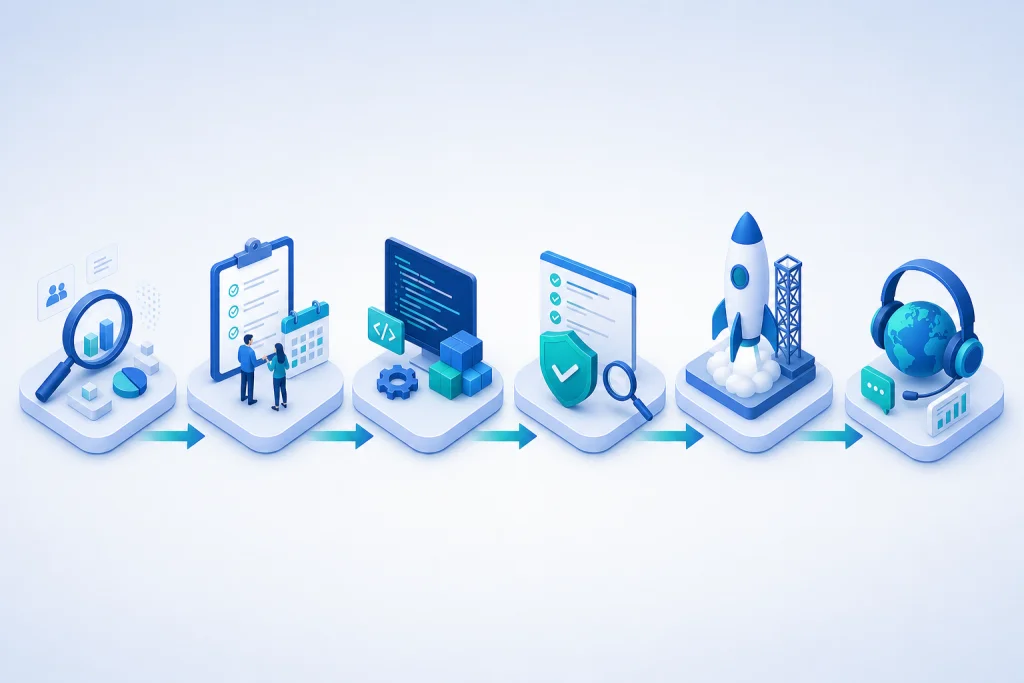
Structured delivery from assessment to handover

Each phase has clear deliverables, owners, and acceptance criteria aligned to enterprise IT practice.

Approach

Supply Chain Visibility vs Traditional Alternatives

Traditional supply chain management relies on manual data entry, periodic inventory counts, and siloed systems like standalone WMS or TMS. This leads to 2-3 day data latency, 15% error rates in inventory records, and reactive decision-making. In contrast, SCV provides real-time visibility with sub-second latency, automated data capture via IoT, and integrated dashboards. For example, a traditional approach might use spreadsheets to track shipments, resulting in 40% of deliveries being delayed without early warning. SCV with predictive analytics can forecast delays 48 hours in advance, allowing proactive rerouting. Cost-wise, traditional systems require significant manual labor for data reconciliation, while SCV reduces labor costs by 30% and inventory carrying costs by 20%. Additionally, traditional alternatives lack end-to-end traceability, making it difficult to pinpoint issues like theft or damage. SCV with blockchain integration (via VMware blockchain) provides immutable provenance records, reducing shrinkage by 15%.

  • Another key difference is scalability: traditional systems require forklift upgrades to handle new SKUs or locations, while SCV platforms are cloud-native and can scale elastically. For Indonesian enterprises with fluctuating demand, SCV's pay-as-you-go model from providers like Microsoft Azure is more cost-effective than on-premise legacy systems. Security also differs: traditional systems often lack encryption and access controls, exposing data to breaches. SCV incorporates cybersecurity best practices, including network segmentation via Fortinet firewalls and endpoint protection.

Capabilities

Case Study & Implementation Methodology

Pharmaceutical Distributor in Jakarta: Challenge: 25% spoilage rate for vaccines due to temperature excursions during last-mile delivery. Solution: Deployed IoT temperature sensors from Lenovo with Azure IoT Edge, integrated with SAP ECC via Microsoft integration services. Real-time alerts triggered immediate corrective actions. Result: Spoilage reduced to 5%, saving IDR 2.5 billion annually. On-time delivery improved from 78% to 95%.

  • Automotive Parts Manufacturer in Batam: Challenge: 30% excess inventory due to poor visibility into supplier lead times. Solution: Implemented RFID-based tracking from QNAP with predictive analytics on HCI infrastructure. Result: Inventory turnover increased by 40%, carrying costs reduced by IDR 1.8 billion per year.
  • Implementation Methodology follows a phased approach: Phase 1 (Assessment) maps current processes and identifies data gaps; Phase 2 (Pilot) deploys sensors on a single product line or warehouse; Phase 3 (Scale) rolls out to full operations with IT infrastructure upgrades; Phase 4 (Optimize) leverages AI for predictive insights. Each phase includes change management and training. Key success metrics include 99.9% data accuracy, <10 second latency, and 20% ROI within 12 months.
Use cases

Perencanaan infrastruktur baru

Refresh & modernisasi

Ekspansi multi-cabang

Compliance & audit IT

Supply Chain Visibility for Enterprise

Our engineers help design, deploy, and support enterprise IT solutions across Indonesia.

Request a quote Contact our team

Related pages

E-E-A-T · Expertise & trust

Implementation expertise & enterprise trust

Intilogy (PT. Inti Jaya Teknologi) supports IT and procurement teams across Indonesia — from technical assessment and BoQ through deployment, documentation, and post go-live support.

  • 500+ Infrastructure deployments
  • 24/7 Operational support
  • SLA Enterprise SLA
  • 150+ Clients & institutions

Engineering & delivery expertise

Engineer-led assessment

Requirements workshops, sizing, and architecture — not catalogue selling without context.

Documented deployment

Commissioning checklists, as-built diagrams, IP plans, and escalation runbooks.

Audit-ready procurement

BoQ/BOM, quotations, POs, and handover packs for tenders and IT audits.

Multi-vendor coordination

One project partner for servers, networks, security, backup, and licensing.

Vendor ecosystem & sourcing channels

We source through official distributors/resellers per brand and project. Specific partnership tiers are confirmed per RFP — see our credentials page.

Vendor Status / tier Scope Notes
Dell Technologies Authorized channel PowerEdge, storage BoQ & manufacturer warranty
HPE Authorized channel ProLiant Enterprise servers
Fortinet Implementation partner NGFW, SD-WAN Licensing & deployment
Veeam Implementation partner Backup, replication Immutable design
VMware Implementation partner vSphere Cluster & migration

Tiers vary by SKU/region. Contact sales@intilogy.com for distributor letters or engineer certificates.

Enterprise implementation methodology

Standard flow for infrastructure, security, and backup projects — scoped per contract.

  1. Discovery & assessment

    Duration: 1–2 weeks

    Deliverables Requirements & risk report

  2. Architecture & BoQ

    Duration: 1–2 weeks

    Deliverables HLD, BoQ, rollout plan

  3. Procurement & staging

    Duration: 2–4 weeks

    Deliverables Asset register

  4. Implementation & UAT

    Duration: 2–6 weeks

    Deliverables As-built, UAT sign-off

  5. Handover & operations

    Duration: Ongoing

    Deliverables SOPs, training, SLA if contracted

Support & SLA (per project contract)

Service levels are defined in agreement — example framework below.

Standard maintenance

Response
Next business day (remote)
Coverage
Firmware advisory, tickets, RMA
Notes
Indonesia business hours

Project warranty

Response
Per implementation contract
Coverage
Defects in Intilogy deployment scope
Notes
Not 24/7 unless agreed

Critical incident (optional)

Response
4–8 hours if contracted
Coverage
Production-critical escalation
Notes
Requires separate MSA

Response times are illustrative — binding only when written in contract.

Technical documentation delivered

  • Topology & rack diagrams (as-built)
  • Asset list, serials, warranty status
  • Critical config summary & change log
  • Basic operations runbook & escalation contacts
  • Restore / DR drill reports (if in scope)
  • Tender packs: distributor letters & engineer certs (on request)

Competency & certifications

Engineers train on vendor technologies per project. Individual certs (Fortinet NSE, VMware VCP, Veeam VMCE, etc.) are provided for tenders — not all listed publicly.

  • Engineer certifications — Per project technology — on request
  • Distributor letters — For procurement audit
  • Client references — See Clients page for logos & scope

View certifications & partnerships

Ready to discuss architecture & BoQ?

Our team supports assessment, recommendations, procurement, and documented implementation.

WhatsApp Consult on WhatsApp
Request Consultation WhatsApp