Smart Building Security Architecture
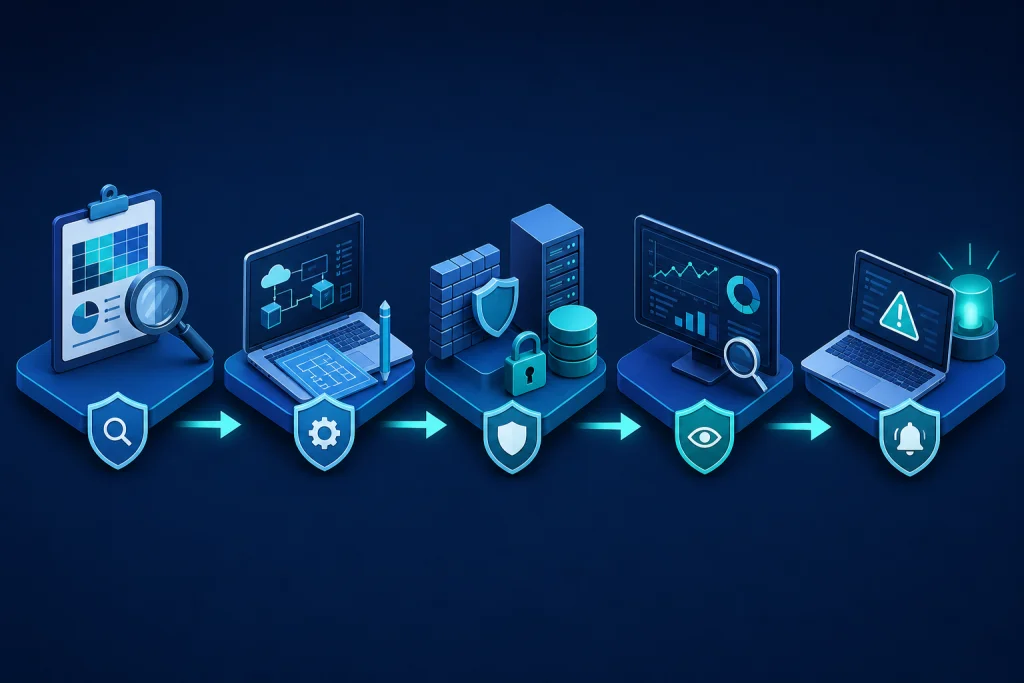
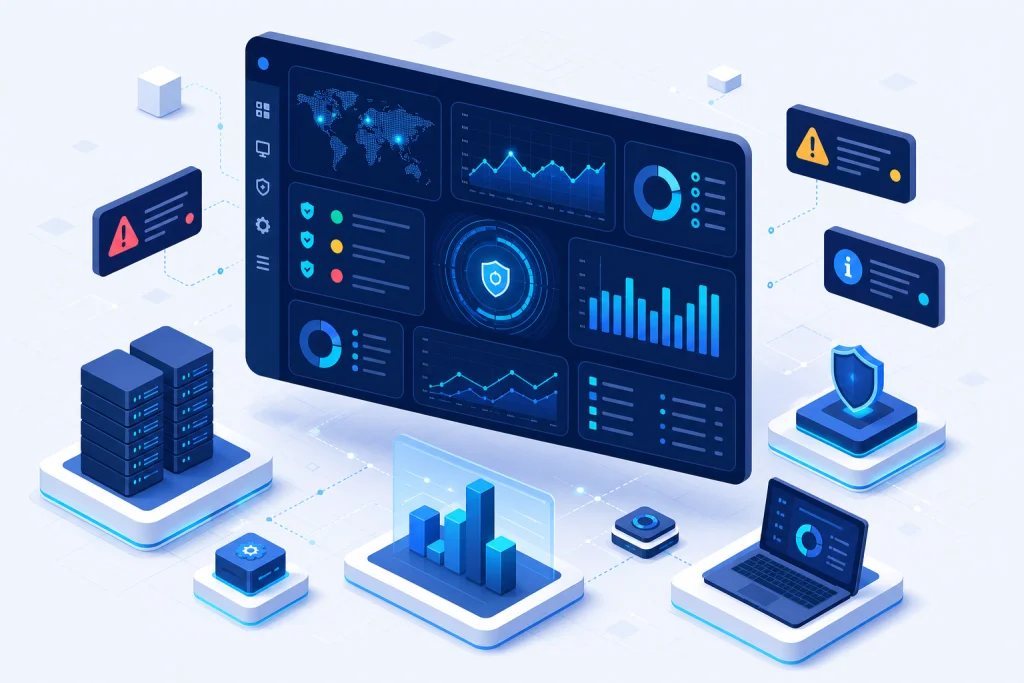
A robust smart building security architecture comprises multiple layers: physical security devices, network infrastructure, edge computing, and centralized management. At the device layer, high-definition IP cameras with built-in AI (e.g., from Lenovo or Cisco) perform real-time object detection and license plate recognition. Access control systems use biometric readers and smart card technologies integrated with directory services. IoT sensors monitor environmental parameters like smoke, temperature, and motion. These devices connect via a dedicated network segment secured by Fortinet firewalls and Enterprise WiFi for wireless coverage. Edge servers running video management software (VMS) analyze feeds locally to reduce latency and bandwidth usage. Data is then aggregated to a central platform, often deployed on HCI infrastructure for high availability. Storage is handled by Synology or QNAP NAS devices with RAID protection and off-site replication via Veeam. The entire system is orchestrated through a security information and event management (SIEM) tool that correlates alerts and triggers automated responses, such as locking doors or alerting security personnel.
For enterprise deployments in Indonesia, scalability and redundancy are critical. The architecture supports multi-site management, allowing security teams to monitor facilities in Jakarta, Surabaya, and Bandung from a single console. Integration with existing IT Infrastructure ensures seamless data flow and policy enforcement. By adopting a software-defined approach, enterprises can update security rules and analytics models without hardware changes, future-proofing their investment.
Industry Use Cases for Smart Building Security
In manufacturing, smart building security prevents unauthorized access to sensitive production areas and monitors for safety hazards. For example, a semiconductor fab in Batam uses AI cameras to detect workers without proper PPE and automatically alerts supervisors. In logistics, warehouses in Jakarta leverage IoT sensors and video analytics to track inventory movement and prevent theft. Access control systems integrated with HR databases ensure only authorized personnel enter high-value storage zones. Commercial real estate properties in Surabaya employ smart building security to manage tenant access, monitor common areas, and reduce energy costs by integrating with building management systems. Retail chains use facial recognition to identify VIP customers and detect known shoplifters, while ensuring compliance with privacy regulations.
Healthcare facilities require stringent access control for sensitive areas like pharmacies and operating theaters. Smart building security in hospitals combines biometric authentication with real-time location systems (RTLS) to track staff and equipment. Educational institutions in Bandung use IP cameras with analytics to monitor campus perimeters and respond to incidents. In all cases, the integration of Cyber Security measures ensures that video feeds and access logs are protected from tampering. The ability to generate audit trails and compliance reports is essential for industries regulated by Indonesian data protection laws.
Smart Building Security vs Traditional Alternatives
Traditional security systems rely on analog CCTV, standalone access control panels, and manual monitoring. These systems lack integration, require extensive cabling, and offer limited analytics. In contrast, smart building security leverages IP-based devices, edge computing, and AI to provide proactive threat detection. For instance, traditional cameras record passively, requiring hours of manual review after an incident. Smart cameras with built-in analytics can detect loitering, unauthorized entry, or package theft in real time and trigger immediate alerts. Access control in traditional systems uses simple keycards or PINs, which are easily compromised. Smart systems employ multi-factor authentication, including biometrics and mobile credentials, integrated with identity management platforms.
Scalability is another differentiator. Traditional systems often require new cabling and control panels for each expansion, leading to high costs. Smart building security uses existing network infrastructure and can scale by adding IP devices and virtual servers. Maintenance is simplified with remote monitoring and firmware updates. From a cost perspective, while initial investment in smart systems may be higher, total cost of ownership (TCO) is lower due to reduced manpower, fewer false alarms, and lower insurance premiums. For Indonesian enterprises, the ability to integrate with Backup & Disaster Recovery solutions ensures that security data is resilient against local power outages or natural disasters. Traditional systems lack this redundancy.
Case Study & Implementation Methodology
Manufacturing Company in Karawang, Challenge: Frequent theft in raw material storage (estimated loss IDR 2.5B/year) and unauthorized access to production floor. Solution: Deployed 120 AI-enabled IP cameras from Lenovo with edge analytics, integrated with Fortinet firewalls for network segmentation, and Synology NAS for 90-day retention. Access control upgraded to biometric readers with VMS integration. Result: Theft reduced by 95% in 6 months, security personnel costs cut by 40%, and insurance premium reduced by 15%. ROI achieved in 18 months.
Logistics Warehouse in Jakarta, Challenge: Inefficient inventory tracking leading to IDR 1.8B annual shrinkage and slow incident response. Solution: Implemented IoT sensors on pallets and forklifts, combined with Cisco cameras for license plate recognition. Data aggregated on HCI infrastructure with Veeam backup. Integration with WMS for real-time inventory visibility. Result: Shrinkage reduced by 80%, incident response time from 30 minutes to 2 minutes, and labor productivity increased by 20%. System scalability allowed easy expansion to 3 additional warehouses.
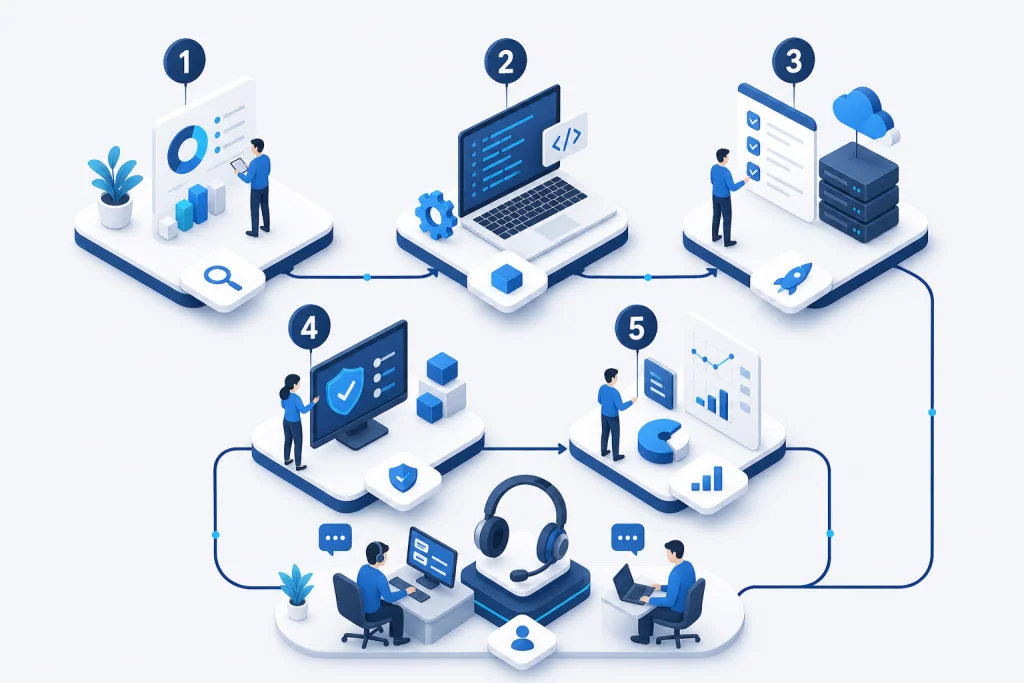
Implementation methodology follows a phased approach: Phase 1 – Site survey and risk assessment; Phase 2 – Network readiness assessment and firewall deployment; Phase 3 – Device installation and configuration; Phase 4 – Integration with existing IT systems and SIEM; Phase 5 – Staff training and go-live; Phase 6 – Ongoing optimization and support. Each phase includes performance benchmarks and stakeholder reviews. Post-implementation, enterprises leverage Server & Storage solutions for data archiving and HCI for disaster recovery, ensuring business continuity.