Smart Building Solution Architecture
The architecture of a smart building solution is layered and modular, comprising four tiers: sensor/actuator layer, edge/controller layer, network layer, and application/analytics layer. At the sensor layer, IoT devices such as temperature sensors, occupancy detectors, and smart meters collect data via Zigbee, Z-Wave, or LoRaWAN. These feed into edge controllers like Synology NAS or QNAP gateways, which run local automation rules and buffer data for cloud sync. The network layer relies on networking switches and enterprise WiFi from Cisco or Ruijie to ensure low-latency communication. For high-availability, redundant paths and SDN are implemented. The application layer hosts AI models for predictive analytics, using VMware virtualization or HCI clusters. A typical deployment includes a centralized BMS server with APIs for integration with hybrid cloud services. Cybersecurity is embedded via network segmentation and firewall appliances from Fortinet, ensuring OT and IT convergence without risk.
Energy management is a critical subsystem, using power meters and AI to optimize HVAC schedules, often achieving 25-40% reduction in electricity costs. The architecture supports scalability: from a single building to a campus of multiple towers, with data aggregated in a server storage solution from Dell or Lenovo. Redundancy is built in with UPS and backup generators, while backup and disaster recovery via Veeam ensures business continuity. All components are managed through a single pane of glass, providing real-time dashboards for facility managers.
Industry Use Cases for Smart Building Solution
In the commercial office sector, smart building solutions enable space utilization tracking through occupancy sensors, reducing real estate costs by 20% through hot-desking and zone-based HVAC. For example, a 50-story office tower in Jakarta implemented Cisco IP cameras and Lenovo edge servers to monitor foot traffic, resulting in 30% energy savings and improved tenant satisfaction. In manufacturing, smart buildings integrate with production systems to monitor air quality and temperature, ensuring product quality. A food processing plant in Surabaya used Synology NAS for data logging and Fortinet firewalls for security, achieving 15% less downtime due to predictive maintenance on HVAC units.
Data centers are another key use case, where smart building solutions manage cooling and power distribution. By deploying HCI from VMware and Dell, a colocation facility in Bandung reduced PUE from 1.8 to 1.3. Healthcare facilities benefit from smart lighting and access control, integrating with enterprise CCTV for patient safety. A hospital in Jakarta used Ruijie WiFi and QNAP storage for real-time asset tracking, cutting equipment loss by 40%. Retail chains leverage smart building analytics to optimize foot traffic flow and lighting schedules, increasing sales per square foot by 10%. Across all sectors, the solution supports ESG reporting by tracking carbon emissions and energy consumption.
Smart Building Solution vs Traditional Alternatives
Traditional building management relies on siloed systems: separate controllers for HVAC, lighting, and security, often with proprietary protocols and no central visibility. This leads to 20-30% higher energy costs, manual maintenance, and slow incident response. In contrast, a smart building solution converges all subsystems onto a single IP network using open standards like BACnet/IP and MQTT. For instance, while a traditional system might require separate cabling for fire alarms and access control, a smart solution uses Power over Ethernet (PoE) from Cisco switches to power sensors and cameras, reducing installation costs by 40%.
Another key difference is data analytics. Traditional systems offer limited historical data, whereas smart solutions leverage AI from Microsoft Azure or VMware for predictive insights. For example, a smart building can predict chiller failures 72 hours in advance, avoiding downtime, while a traditional system reacts after failure. Cybersecurity is also a differentiator: traditional OT networks lack segmentation, making them vulnerable. Smart solutions integrate cybersecurity with Fortinet firewalls and network access control. Scalability is another advantage: adding a new floor or building is as simple as deploying additional Lenovo edge gateways and sensors, while traditional systems require extensive rewiring and controller reprogramming.
Case Study & Implementation Methodology
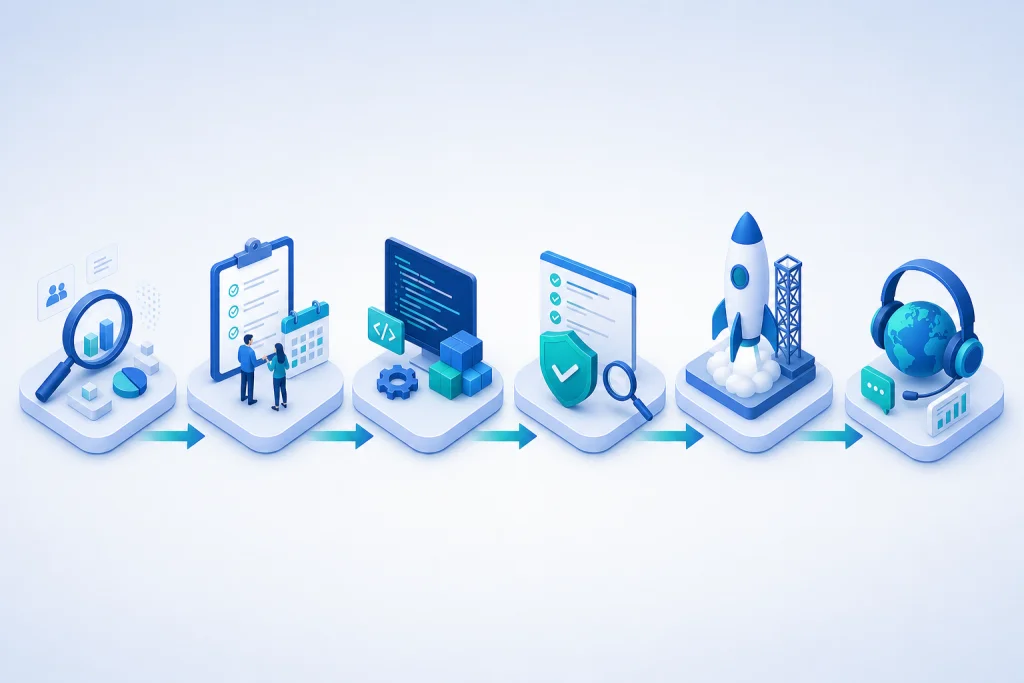
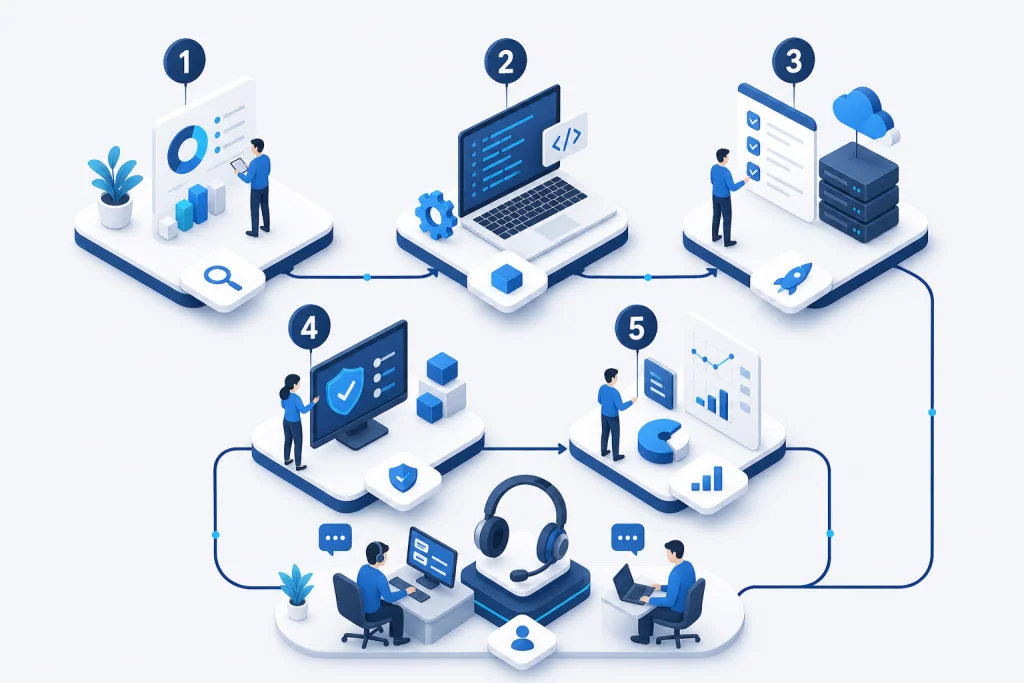
Methodology: Intilogy follows a five-phase approach: (1) Audit & Assessment — evaluate existing BMS, network, and power infrastructure; (2) Design — create a converged IP architecture with redundancy, using Cisco switches and Fortinet firewalls; (3) Integration — deploy edge gateways (Lenovo ThinkEdge), sensors, and cameras, integrating with hybrid cloud; (4) Testing & Optimization — validate with 7-day baseline monitoring; (5) Handover & Training — provide dashboards and SOPs. A typical project timeline is 12-16 weeks for a 100,000 sqm facility.
Case Study: Manufacturing Company in Jakarta, Challenge: 35% energy waste due to outdated HVAC and lighting controls, 15% unplanned downtime from equipment failures. Solution: Deployed smart building platform with Synology NAS for data aggregation, Cisco IP cameras for security, and Lenovo edge servers running AI analytics. Result: Energy costs reduced by 32% (saving IDR 2.5B/year), unplanned downtime cut by 80%, and ROI achieved in 14 months. Another case: Office Tower in Surabaya, Challenge: High churn rate due to poor air quality and lighting. Solution: Integrated enterprise WiFi from Ruijie and QNAP storage for sensor data. Result: Occupant satisfaction increased by 40%, energy consumption dropped 28%, and lease renewal rate rose to 95%.