Disaster Recovery Site Architecture
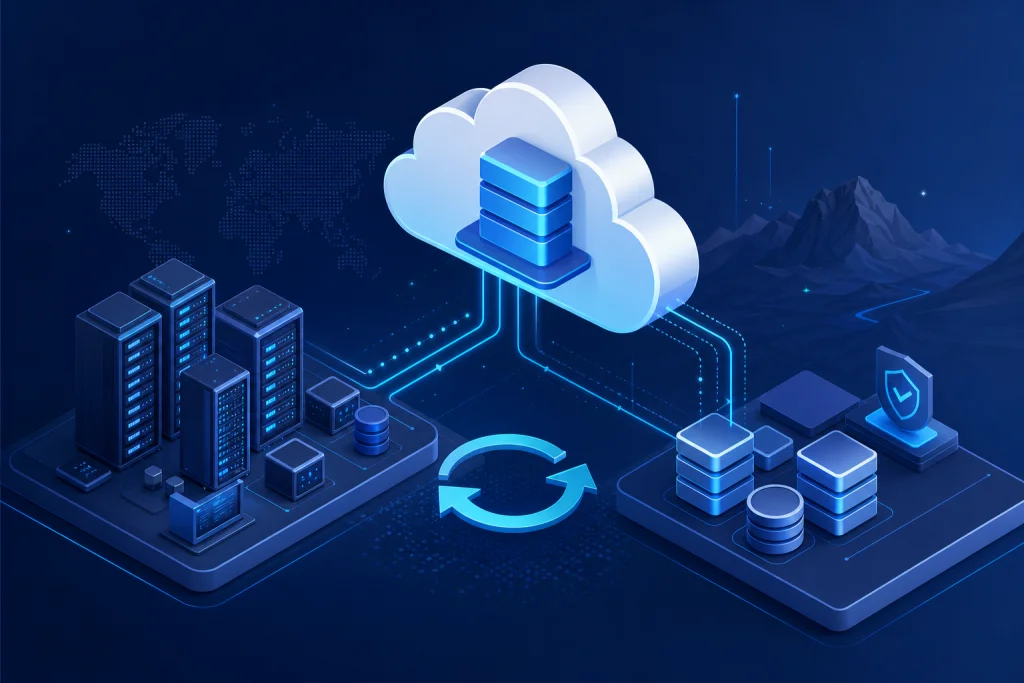
A disaster recovery site architecture typically consists of a secondary data center located geographically separate from the primary site, connected via high-bandwidth, low-latency links. For enterprises in Indonesia, Intilogy recommends a hub-and-spoke or active-passive model using technologies like VMware Site Recovery Manager (SRM) for orchestration and Veeam for replication. The architecture includes redundant storage arrays (e.g., Synology or QNAP) that replicate data synchronously or asynchronously, depending on RPO requirements. Compute resources are provisioned with VMware vSphere clusters, enabling rapid failover of virtual machines. Network segmentation is achieved through Cisco switches and Fortinet firewalls, ensuring security and isolation. A key component is the use of stretched VLANs or SD-WAN for seamless IP failover. Intilogy also integrates hybrid cloud capabilities, allowing enterprises to burst into public cloud during a disaster. The architecture is designed to meet RTO of under 15 minutes and RPO of less than 5 seconds for critical workloads. Regular testing via non-disruptive failover drills ensures the solution works as expected. By leveraging VMware and Veeam, enterprises can automate recovery plans and reduce manual intervention. This architecture is ideal for industries with strict compliance requirements, such as banking and healthcare, where data integrity and availability are non-negotiable.
Industry Use Cases for Disaster Recovery Site
In the financial sector, Indonesian banks use DR sites to comply with regulations from the Financial Services Authority (OJK), which mandates maximum downtime of 2 hours. For example, a bank in Jakarta deployed a warm standby DR site using Lenovo servers and Dell storage, achieving RPO of 1 minute. In healthcare, hospitals rely on DR sites to protect patient records and ensure continuity of critical systems like electronic health records (EHR). A hospital in Surabaya implemented a DR solution with Synology NAS and Veeam, reducing RTO from 4 hours to 15 minutes. Manufacturing companies in Indonesia use DR sites to protect supply chain management and ERP systems. A manufacturer in Batam integrated HP servers with VMware SRM, enabling failover of 50 virtual machines within 10 minutes. E-commerce platforms require DR sites to handle peak traffic and prevent revenue loss. A Jakarta-based e-commerce company used hyperconverged infrastructure from QNAP to create a DR site that supports automated scaling. These use cases demonstrate how DR sites are tailored to specific industry needs, balancing cost and performance. Intilogy's approach includes risk assessments and business impact analyses to determine the optimal DR strategy for each sector.
Disaster Recovery Site vs Traditional Alternatives
Traditional alternatives to a dedicated DR site include tape backups, manual failover to a secondary location, or reliance on cloud-only backups. Tape backups are slow and prone to errors, with RTOs measured in days. Manual failover requires significant human intervention and can lead to extended downtime. Cloud-only backups may incur high egress costs and limited control over recovery. In contrast, a DR site offers automated, orchestrated failover with RTOs of minutes and RPOs of seconds. For example, using Veeam and backup and disaster recovery solutions, enterprises can replicate data continuously and test failover without impacting production. While a DR site requires higher upfront investment, it provides predictable recovery and compliance with industry regulations. Another alternative is a colocation facility, but that lacks the integrated orchestration of a managed DR site. Intilogy's DR site solutions combine the best of on-premises and cloud, offering flexibility and scalability. For enterprises in Indonesia, where internet connectivity can be unstable, a local DR site with direct fiber links ensures reliable failover. Compared to traditional alternatives, a DR site from Intilogy reduces total cost of ownership by eliminating manual processes and minimizing downtime costs.
Case Study & Implementation Methodology
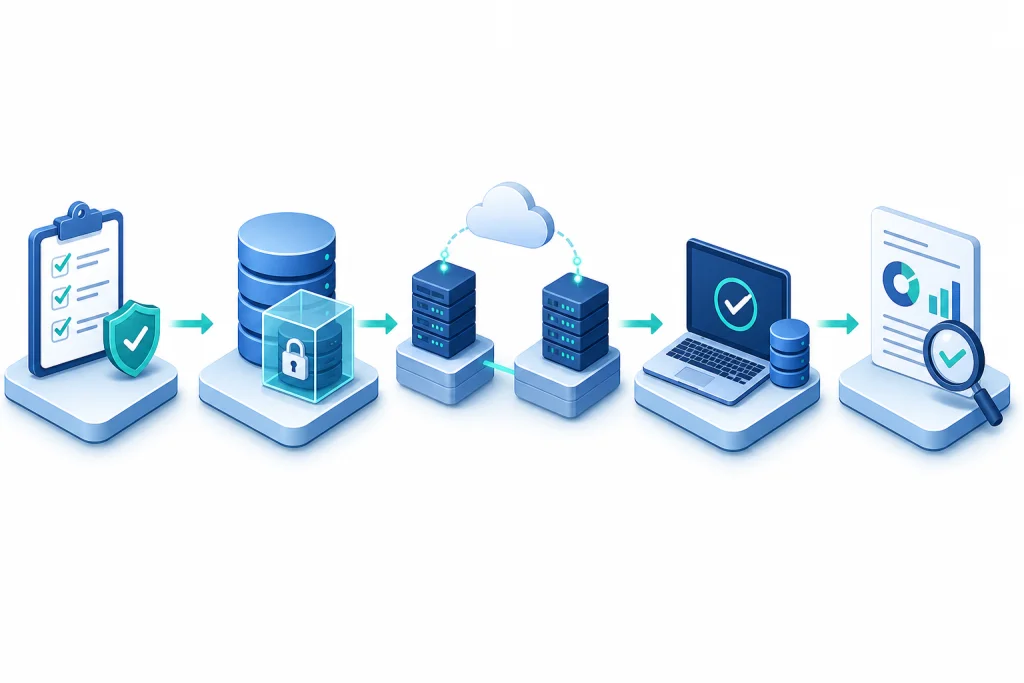
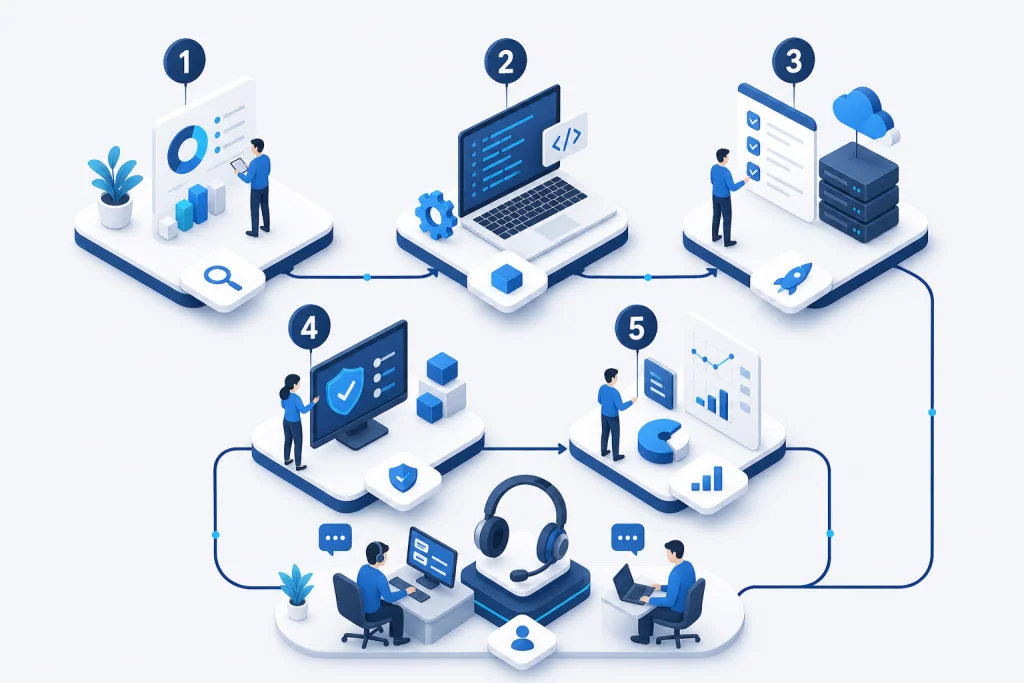
A financial services company in Jakarta faced a challenge: their legacy backup system had an RTO of 8 hours and RPO of 24 hours, risking regulatory fines. Intilogy implemented a DR site using VMware vSphere and Veeam with Synology storage. The solution reduced RTO to 10 minutes and RPO to 5 seconds. The implementation methodology followed a phased approach: assessment, design, deployment, and testing. First, Intilogy conducted a business impact analysis to identify critical workloads and define RTO/RPO targets. Next, we designed a warm standby site with 20 virtual machines replicated asynchronously. Deployment involved configuring network links via Cisco switches and Fortinet firewalls. Testing included quarterly failover drills, achieving 100% success rate. The result: 99.99% uptime and 30% reduction in IT operational costs. Another case involved a manufacturing company in Bandung that needed to protect its ERP system. Intilogy deployed a DR site using hyperconverged infrastructure from QNAP, reducing RTO from 6 hours to 5 minutes. The methodology included automated recovery plans and monitoring via Microsoft System Center. These case studies highlight Intilogy's expertise in delivering measurable business outcomes through structured implementation.