Enterprise IT Solutions

Edge Computing for Enterprise

Edge computing is a distributed IT architecture that processes data near the source of generation—at the network edge—rather than relying on a centralized cloud or data center. For enterprises in Indonesia, where latency-sensitive applications like IoT, real-time analytics, and autonomous systems are critical, edge computing offers a paradigm shift. By deploying compute, storage, and networking resources at the edge, organizations can achieve sub-millisecond response times, reduce bandwidth costs, and enhance data sovereignty. Modern edge platforms integrate with hyperconverged infrastructure and hybrid cloud solutions, enabling seamless orchestration across distributed nodes. Key vendors such as Lenovo, Dell, and Cisco provide ruggedized edge servers designed for harsh environments, while VMware Edge Compute Stack virtualizes workloads for centralized management. In Indonesia, edge computing is particularly transformative for industries like manufacturing, logistics, and energy, where real-time decision-making and data privacy are paramount. Intilogy delivers end-to-end edge solutions, from hardware procurement to implementation, ensuring enterprises can harness the full potential of edge computing while maintaining robust cybersecurity and backup and disaster recovery protocols.

Edge Computing Architecture

Edge computing architecture consists of three primary layers: the edge device layer, the edge gateway layer, and the edge server layer. At the device layer, sensors, cameras, and IoT endpoints generate data. These devices often run lightweight operating systems and communicate via protocols like MQTT or OPC-UA. The gateway layer aggregates data from multiple devices, performs initial filtering, and forwards critical information to edge servers. Gateways can be industrial PCs or ruggedized routers from Cisco or Ruijie.

The edge server layer hosts virtualized or containerized applications for real-time analytics, machine learning inference, and data storage. These servers are typically deployed in close proximity to the data source, such as on a factory floor or in a retail store. Lenovo ThinkEdge SE450 and Dell PowerEdge XR12 are examples of ruggedized servers that can operate in temperatures up to 55°C. For storage, Synology and QNAP offer edge NAS devices with built-in data protection. Management is centralized via VMware Edge Compute Stack or Microsoft Azure Stack Edge, enabling remote provisioning and monitoring. The architecture also integrates with networking solutions like SD-WAN to ensure reliable connectivity between edge sites and the core data center.

Industry Use Cases for Edge Computing

In manufacturing, edge computing enables predictive maintenance by analyzing vibration and temperature data from machinery in real time. For example, a automotive plant in Jakarta deployed edge servers from HP to process sensor data locally, reducing latency from 200ms to under 10ms. This resulted in a 30% reduction in unplanned downtime. In logistics, edge computing powers automated warehouse systems using computer vision and RFID. A distribution center in Surabaya implemented edge-based object detection with Lenovo ThinkEdge devices, improving inventory accuracy by 25% and reducing picking errors by 40%.

In the energy sector, edge computing is used for real-time monitoring of oil and gas pipelines. A Pertamina facility in Balikpapan deployed Cisco edge routers and Dell PowerEdge servers to analyze pressure and flow data, enabling immediate shutdown during anomalies. This prevented potential spills and saved $2 million annually. For retail, edge computing supports personalized customer experiences through in-store analytics. A mall in Bandung uses edge AI from HP to analyze foot traffic, optimizing store layouts and increasing sales by 15%.

Edge Computing vs Traditional Alternatives

Traditional cloud computing centralizes data processing in remote data centers, introducing latency that can be detrimental for real-time applications. For instance, a cloud-based industrial control system may experience 100-500ms round-trip time, while edge computing reduces this to under 10ms. Additionally, edge computing minimizes bandwidth usage by processing data locally, reducing cloud egress costs by up to 90%. Unlike on-premises data centers, edge nodes are designed for distributed deployment with lower power and cooling requirements.

Compared to traditional on-premises infrastructure, edge computing offers greater scalability and resilience. While a data center might require dedicated IT staff, edge nodes can be managed remotely via centralized orchestration platforms. For example, VMware Edge Compute Stack allows IT teams to deploy and update applications across hundreds of edge sites from a single console. In terms of security, edge computing reduces attack surface by limiting data exposure to the network. However, it requires robust cybersecurity measures like encryption and endpoint protection, which can be integrated with Fortinet firewalls. Overall, edge computing provides a middle ground between cloud and on-premises, offering low latency, cost efficiency, and local data sovereignty.

Case Study & Implementation Methodology

Manufacturing Company in Karawang, Challenge: 200+ IoT sensors generating 500GB of data daily; cloud processing caused 300ms latency and $50k monthly bandwidth costs. Solution: Deployed 10 Lenovo ThinkEdge SE450 servers with VMware Edge Compute Stack and Synology NAS for local storage. Result: Latency reduced to 5ms, bandwidth costs cut by 85%, and predictive maintenance improved equipment uptime by 20%.

Logistics Company in Surabaya, Challenge: Manual inventory checks took 4 hours daily with 15% error rate. Solution: Implemented 5 Dell PowerEdge XR12 servers with computer vision AI and Cisco switches. Result: Inventory accuracy increased to 99%, labor costs reduced by 30%, and processing time dropped to 30 minutes.

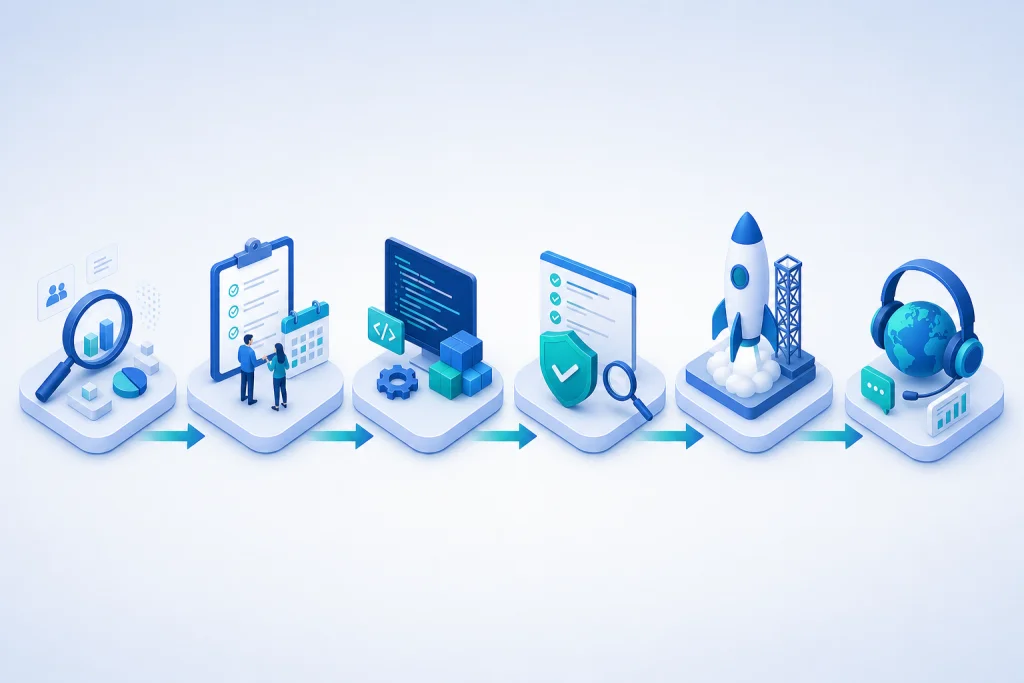
Implementation Methodology: Phase 1 - Assessment: Evaluate data sources, latency requirements, and existing IT infrastructure. Phase 2 - Design: Architect edge nodes with appropriate hardware (e.g., HP EdgeLine) and software (e.g., Microsoft Azure IoT Edge). Phase 3 - Deployment: Install and configure edge devices, integrate with hybrid cloud and backup and disaster recovery solutions. Phase 4 - Management: Use centralized monitoring and apply security patches via Veeam Backup & Replication.

Edge Computing Architecture

Edge computing architecture consists of three primary layers: the edge device layer, the edge gateway layer, and the edge server layer. At the device layer, sensors, cameras, and IoT endpoints generate data. These devices often run lightweight operating systems and communicate via protocols like MQTT or OPC-UA. The gateway layer aggregates data from multiple devices, performs initial filtering, and forwards critical information to edge servers. Gateways can be industrial PCs or ruggedized routers from Cisco or Ruijie.

Industry Use Cases for Edge Computing

In manufacturing, edge computing enables predictive maintenance by analyzing vibration and temperature data from machinery in real time. For example, a automotive plant in Jakarta deployed edge servers from HP to process sensor data locally, reducing latency from 200ms to under 10ms. This resulted in a 30% reduction in unplanned downtime. In logistics, edge computing powers automated warehouse systems using computer vision and RFID. A distribution center in Surabaya implemented edge-based object detection with Lenovo ThinkEdge devices, improving inventory accuracy by 25% and reducing picking errors by 40%.

How we work

Structured delivery from assessment to handover

Each phase has clear deliverables, owners, and acceptance criteria aligned to enterprise IT practice.

Approach

Edge Computing vs Traditional Alternatives

Traditional cloud computing centralizes data processing in remote data centers, introducing latency that can be detrimental for real-time applications. For instance, a cloud-based industrial control system may experience 100-500ms round-trip time, while edge computing reduces this to under 10ms. Additionally, edge computing minimizes bandwidth usage by processing data locally, reducing cloud egress costs by up to 90%. Unlike on-premises data centers, edge nodes are designed for distributed deployment with lower power and cooling requirements.

  • Compared to traditional on-premises infrastructure, edge computing offers greater scalability and resilience. While a data center might require dedicated IT staff, edge nodes can be managed remotely via centralized orchestration platforms. For example, VMware Edge Compute Stack allows IT teams to deploy and update applications across hundreds of edge sites from a single console. In terms of security, edge computing reduces attack surface by limiting data exposure to the network. However, it requires robust cybersecurity measures like encryption and endpoint protection, which can be integrated with Fortinet firewalls. Overall, edge computing provides a middle ground between cloud and on-premises, offering low latency, cost efficiency, and local data sovereignty.

Capabilities

Case Study & Implementation Methodology

Manufacturing Company in Karawang, Challenge: 200+ IoT sensors generating 500GB of data daily; cloud processing caused 300ms latency and $50k monthly bandwidth costs. Solution: Deployed 10 Lenovo ThinkEdge SE450 servers with VMware Edge Compute Stack and Synology NAS for local storage. Result: Latency reduced to 5ms, bandwidth costs cut by 85%, and predictive maintenance improved equipment uptime by 20%.

  • Logistics Company in Surabaya, Challenge: Manual inventory checks took 4 hours daily with 15% error rate. Solution: Implemented 5 Dell PowerEdge XR12 servers with computer vision AI and Cisco switches. Result: Inventory accuracy increased to 99%, labor costs reduced by 30%, and processing time dropped to 30 minutes.
  • Implementation Methodology: Phase 1 - Assessment: Evaluate data sources, latency requirements, and existing IT infrastructure. Phase 2 - Design: Architect edge nodes with appropriate hardware (e.g., HP EdgeLine) and software (e.g., Microsoft Azure IoT Edge). Phase 3 - Deployment: Install and configure edge devices, integrate with hybrid cloud and backup and disaster recovery solutions. Phase 4 - Management: Use centralized monitoring and apply security patches via Veeam Backup & Replication.
Use cases

Perencanaan infrastruktur baru

Refresh & modernisasi

Ekspansi multi-cabang

Compliance & audit IT

Edge Computing for Enterprise

Our engineers help design, deploy, and support enterprise IT solutions across Indonesia.

Request a quote Contact our team

Related pages

E-E-A-T · Expertise & trust

IT infrastructure & data center expertise

Infrastructure engineers support server/storage sizing, VMware, rack & stack, and operational handover.

  • 500+ Infrastructure deployments
  • 24/7 Operational support
  • SLA Enterprise SLA
  • 150+ Clients & institutions

Engineering & delivery expertise

Engineer-led assessment

Requirements workshops, sizing, and architecture — not catalogue selling without context.

Documented deployment

Commissioning checklists, as-built diagrams, IP plans, and escalation runbooks.

Audit-ready procurement

BoQ/BOM, quotations, POs, and handover packs for tenders and IT audits.

Multi-vendor coordination

One project partner for servers, networks, security, backup, and licensing.

Vendor ecosystem & sourcing channels

We source through official distributors/resellers per brand and project. Specific partnership tiers are confirmed per RFP — see our credentials page.

Vendor Status / tier Scope Notes
Dell Technologies Authorized channel PowerEdge, storage BoQ & manufacturer warranty
HPE Authorized channel ProLiant Enterprise servers
Fortinet Implementation partner NGFW, SD-WAN Licensing & deployment
Veeam Implementation partner Backup, replication Immutable design
VMware Implementation partner vSphere Cluster & migration

Tiers vary by SKU/region. Contact sales@intilogy.com for distributor letters or engineer certificates.

Enterprise implementation methodology

Standard flow for infrastructure, security, and backup projects — scoped per contract.

  1. Discovery & assessment

    Duration: 1–2 weeks

    Deliverables Requirements & risk report

  2. Architecture & BoQ

    Duration: 1–2 weeks

    Deliverables HLD, BoQ, rollout plan

  3. Procurement & staging

    Duration: 2–4 weeks

    Deliverables Asset register

  4. Implementation & UAT

    Duration: 2–6 weeks

    Deliverables As-built, UAT sign-off

  5. Handover & operations

    Duration: Ongoing

    Deliverables SOPs, training, SLA if contracted

Support & SLA (per project contract)

Service levels are defined in agreement — example framework below.

Standard maintenance

Response
Next business day (remote)
Coverage
Firmware advisory, tickets, RMA
Notes
Indonesia business hours

Project warranty

Response
Per implementation contract
Coverage
Defects in Intilogy deployment scope
Notes
Not 24/7 unless agreed

Critical incident (optional)

Response
4–8 hours if contracted
Coverage
Production-critical escalation
Notes
Requires separate MSA

Response times are illustrative — binding only when written in contract.

Technical documentation delivered

  • Topology & rack diagrams (as-built)
  • Asset list, serials, warranty status
  • Critical config summary & change log
  • Basic operations runbook & escalation contacts
  • Restore / DR drill reports (if in scope)
  • Tender packs: distributor letters & engineer certs (on request)

Competency & certifications

Engineers train on vendor technologies per project. Individual certs (Fortinet NSE, VMware VCP, Veeam VMCE, etc.) are provided for tenders — not all listed publicly.

  • Engineer certifications — Per project technology — on request
  • Distributor letters — For procurement audit
  • Client references — See Clients page for logos & scope

View certifications & partnerships

Ready to discuss architecture & BoQ?

Our team supports assessment, recommendations, procurement, and documented implementation.

WhatsApp Consult on WhatsApp
Request Consultation WhatsApp