Enterprise IT Solutions

Network Assessment for Enterprise

A Network Assessment is a systematic evaluation of an enterprise's network infrastructure, including wired and wireless LAN, WAN, data center fabrics, and cloud connectivity. In Indonesia, where digital transformation accelerates across sectors like manufacturing, finance, and logistics, a thorough assessment is critical to ensure high availability, low latency, and robust security. Our methodology leverages industry-leading tools from Cisco, Fortinet, and Ruijie to perform deep packet inspection, traffic analysis, and configuration audits. We evaluate network topology, bandwidth utilization, device health, and security posture against frameworks like NIST and ISO 27001. The outcome is a prioritized roadmap for upgrades, including SD-WAN deployment, segmentation, and zero-trust access. For enterprises in Jakarta, Surabaya, or Bandung, a network assessment reduces downtime risk by up to 40% and improves application performance by 30% on average. It also identifies cost-saving opportunities such as decommissioning legacy hardware and optimizing licensing. With networking being the backbone of IT operations, our assessment aligns with business goals like ERP migration, remote work enablement, and IoT expansion. We provide actionable recommendations with ROI projections, ensuring every rupiah spent on infrastructure delivers measurable value.

Network Assessment Architecture

The architecture of a network assessment involves a multi-layered approach: discovery, analysis, and reporting. Discovery uses SNMP, NetFlow, and active probing to inventory all devices—routers, switches, firewalls, access points, and servers. We map Layer 2/3 topologies, VLAN configurations, and routing protocols (OSPF, BGP, EIGRP). Analysis focuses on performance metrics: latency, jitter, packet loss, throughput, and error rates. We also assess security controls, including ACLs, firewall rules, and VPN configurations. For wireless, we conduct site surveys using spectrum analyzers to detect interference and coverage gaps. The reporting phase delivers a comprehensive document with executive summary, technical findings, and prioritized recommendations. For example, we might identify a bottleneck at a core switch due to oversubscription, or a misconfigured QoS policy causing voice drops. Our architecture leverages Cisco DNA Center, Fortinet FortiManager, and open-source tools like Wireshark and Nmap. The assessment also includes a review of network documentation, change management processes, and disaster recovery plans. By integrating with hybrid cloud environments, we evaluate connectivity to AWS, Azure, or Google Cloud via direct connect or VPN. This holistic view ensures that the network is not only fast but also resilient and secure.

Industry Use Cases for Network Assessment

In manufacturing, network assessments are vital for Industry 4.0 initiatives. For example, a factory in Batam with 500 IoT sensors experienced intermittent connectivity causing production line stops. Our assessment revealed RF interference from heavy machinery and a flat VLAN structure. We recommended segmentation using Cisco Industrial Ethernet switches and a dedicated IoT VLAN, reducing downtime by 60%. In finance, a bank in Jakarta needed to comply with BI regulations for low-latency trading. The assessment uncovered asymmetric routing and high CPU on border routers. Upgrading to Fortinet FortiGate 600F with SD-WAN reduced transaction latency by 35%. For logistics, a warehouse in Surabaya with 200 handheld scanners faced poor Wi-Fi coverage. Site survey identified dead zones due to metal shelving. We deployed Ruijie RG-AP720-I access points with beamforming, improving scan success rate from 85% to 99%. Healthcare organizations in Bandung use assessments to ensure HIPAA-like data privacy; we found unencrypted traffic between clinics and the central server. Implementing VPN and NAC reduced breach risk by 90%. Education institutions, like a university in Yogyakarta with 10,000 students, needed to support e-learning. Assessment showed 40% bandwidth waste from peer-to-peer traffic. QoS policies and caching from enterprise WiFi solutions improved video streaming quality.

Network Assessment vs Traditional Alternatives

Traditional network audits often rely on manual checklists and basic ping tests, lacking the depth needed for modern enterprise environments. They may miss subtle issues like microbursts, asymmetric routing, or security misconfigurations. In contrast, our network assessment uses advanced analytics and AI-driven tools from Cisco and Fortinet to provide real-time traffic visibility and predictive insights. For example, a traditional audit might report average latency, but our assessment identifies peak-hour jitter that impacts VoIP. Additionally, traditional methods often produce static reports with no actionable roadmap, whereas our assessment includes a prioritized implementation plan with ROI calculations. Another alternative is using free tools like SolarWinds or PRTG, which lack enterprise-grade security checks and vendor-specific best practices. Our assessment integrates with cybersecurity frameworks to identify vulnerabilities like open ports or weak encryption. Furthermore, traditional audits rarely consider cloud connectivity or SD-WAN readiness, which are critical for hybrid work. By comparing our assessment to alternatives, enterprises gain a 360-degree view that reduces time-to-resolution for issues by 50%. The cost of an assessment is typically 1-2% of the annual IT budget, yet it prevents losses from downtime that can exceed millions of rupiah per hour.

Case Study & Implementation Methodology

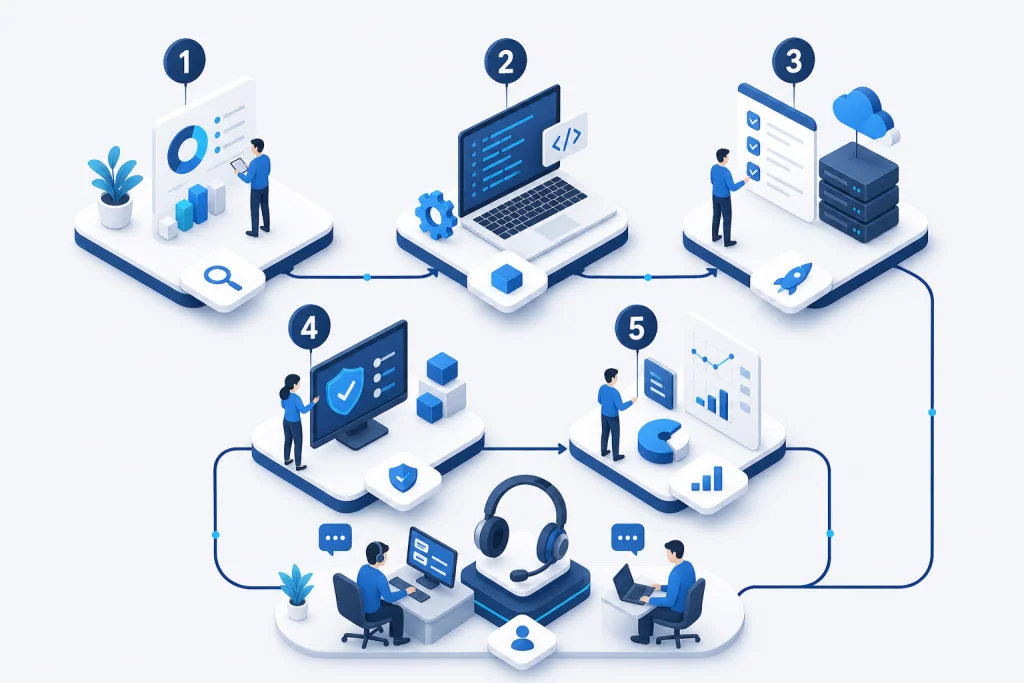
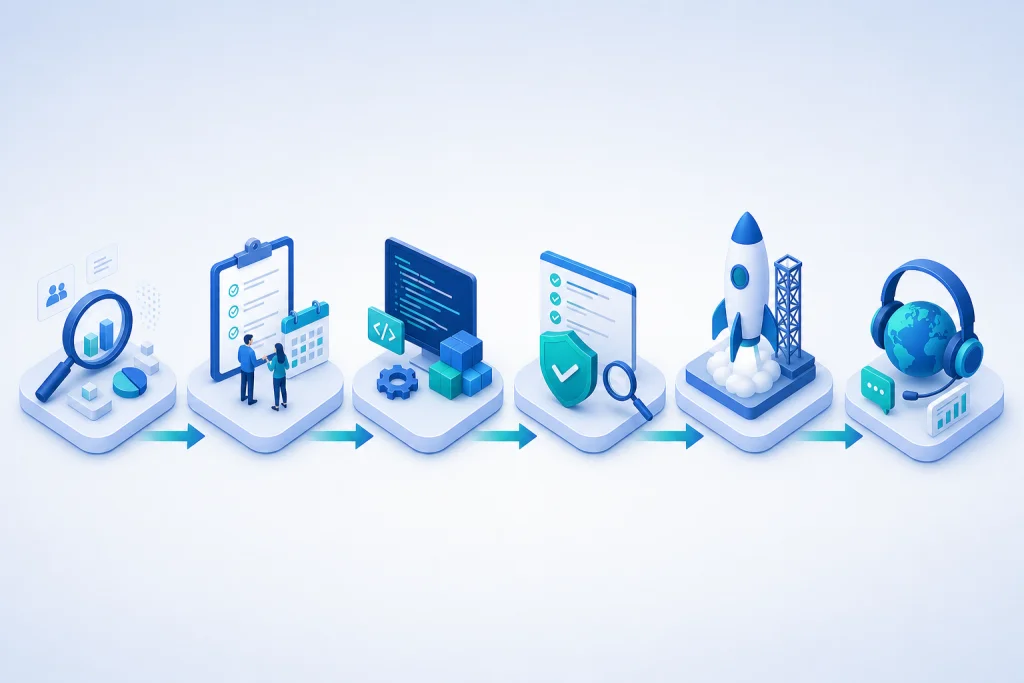
Manufacturing Company in Karawang: Challenge – Frequent network outages causing 12 hours of downtime per month, affecting 200 CNC machines. Solution – Conducted a full network assessment using Cisco DNA Center and Fortinet FortiAnalyzer. Identified spanning tree loops and outdated firmware. Implemented Rapid PVST+, upgraded switches to Cisco Catalyst 9300, and deployed FortiGate 100F for segmentation. Result – Downtime reduced to 2 hours per month (83% improvement), machine utilization increased by 15%, and annual savings of IDR 1.2 billion from lost production. Our methodology follows a five-phase approach: 1) Initiation – define scope and objectives with stakeholders; 2) Discovery – deploy sensors and collect data for 2 weeks; 3) Analysis – use machine learning to baseline performance and detect anomalies; 4) Reporting – deliver findings with heatmaps, topology maps, and risk scores; 5) Remediation – provide a phased implementation plan with IT infrastructure upgrades. We also offer optional ongoing monitoring post-assessment to ensure sustained improvements.


Network Assessment Architecture

The architecture of a network assessment involves a multi-layered approach: discovery, analysis, and reporting. Discovery uses SNMP, NetFlow, and active probing to inventory all devices—routers, switches, firewalls, access points, and servers. We map Layer 2/3 topologies, VLAN configurations, and routing protocols (OSPF, BGP, EIGRP). Analysis focuses on performance metrics: latency, jitter, packet loss, throughput, and error rates. We also assess security controls, including ACLs, firewall rules, and VPN configurations. For wireless, we conduct site surveys using spectrum analyzers to detect interference and coverage gaps. The reporting phase delivers a comprehensive document with executive summary, technical findings, and prioritized recommendations. For example, we might identify a bottleneck at a core switch due to oversubscription, or a misconfigured QoS policy causing voice drops. Our architecture leverages Cisco DNA Center, Fortinet FortiManager, and open-source tools like Wireshark and Nmap. The assessment also includes a review of network documentation, change management processes, and disaster recovery plans. By integrating with hybrid cloud environments, we evaluate connectivity to AWS, Azure, or Google Cloud via direct connect or VPN. This holistic view ensures that the network is not only fast but also resilient and secure.

Industry Use Cases for Network Assessment

In manufacturing, network assessments are vital for Industry 4.0 initiatives. For example, a factory in Batam with 500 IoT sensors experienced intermittent connectivity causing production line stops. Our assessment revealed RF interference from heavy machinery and a flat VLAN structure. We recommended segmentation using Cisco Industrial Ethernet switches and a dedicated IoT VLAN, reducing downtime by 60%. In finance, a bank in Jakarta needed to comply with BI regulations for low-latency trading. The assessment uncovered asymmetric routing and high CPU on border routers. Upgrading to Fortinet FortiGate 600F with SD-WAN reduced transaction latency by 35%. For logistics, a warehouse in Surabaya with 200 handheld scanners faced poor Wi-Fi coverage. Site survey identified dead zones due to metal shelving. We deployed Ruijie RG-AP720-I access points with beamforming, improving scan success rate from 85% to 99%. Healthcare organizations in Bandung use assessments to ensure HIPAA-like data privacy; we found unencrypted traffic between clinics and the central server. Implementing VPN and NAC reduced breach risk by 90%. Education institutions, like a university in Yogyakarta with 10,000 students, needed to support e-learning. Assessment showed 40% bandwidth waste from peer-to-peer traffic. QoS policies and caching from enterprise WiFi solutions improved video streaming quality.

How we work

Structured delivery from assessment to handover

Each phase has clear deliverables, owners, and acceptance criteria aligned to enterprise IT practice.

Approach

Network Assessment vs Traditional Alternatives

Traditional network audits often rely on manual checklists and basic ping tests, lacking the depth needed for modern enterprise environments. They may miss subtle issues like microbursts, asymmetric routing, or security misconfigurations. In contrast, our network assessment uses advanced analytics and AI-driven tools from Cisco and Fortinet to provide real-time traffic visibility and predictive insights. For example, a traditional audit might report average latency, but our assessment identifies peak-hour jitter that impacts VoIP. Additionally, traditional methods often produce static reports with no actionable roadmap, whereas our assessment includes a prioritized implementation plan with ROI calculations. Another alternative is using free tools like SolarWinds or PRTG, which lack enterprise-grade security checks and vendor-specific best practices. Our assessment integrates with cybersecurity frameworks to identify vulnerabilities like open ports or weak encryption. Furthermore, traditional audits rarely consider cloud connectivity or SD-WAN readiness, which are critical for hybrid work. By comparing our assessment to alternatives, enterprises gain a 360-degree view that reduces time-to-resolution for issues by 50%. The cost of an assessment is typically 1-2% of the annual IT budget, yet it prevents losses from downtime that can exceed millions of rupiah per hour.

Capabilities

Case Study & Implementation Methodology

Manufacturing Company in Karawang: Challenge – Frequent network outages causing 12 hours of downtime per month, affecting 200 CNC machines. Solution – Conducted a full network assessment using Cisco DNA Center and Fortinet FortiAnalyzer. Identified spanning tree loops and outdated firmware. Implemented Rapid PVST+, upgraded switches to Cisco Catalyst 9300, and deployed FortiGate 100F for segmentation. Result – Downtime reduced to 2 hours per month (83% improvement), machine utilization increased by 15%, and annual savings of IDR 1.2 billion from lost production. Our methodology follows a five-phase approach: 1) Initiation – define scope and objectives with stakeholders; 2) Discovery – deploy sensors and collect data for 2 weeks; 3) Analysis – use machine learning to baseline performance and detect anomalies; 4) Reporting – deliver findings with heatmaps, topology maps, and risk scores; 5) Remediation – provide a phased implementation plan with IT infrastructure upgrades. We also offer optional ongoing monitoring post-assessment to ensure sustained improvements.
Use cases

Perencanaan infrastruktur baru

Refresh & modernisasi

Ekspansi multi-cabang

Compliance & audit IT

Network Assessment for Enterprise

Our engineers help design, deploy, and support enterprise IT solutions across Indonesia.

Request a quote Contact our team

Related pages

E-E-A-T · Expertise & trust

IT infrastructure & data center expertise

Infrastructure engineers support server/storage sizing, VMware, rack & stack, and operational handover.

  • 500+ Infrastructure deployments
  • 24/7 Operational support
  • SLA Enterprise SLA
  • 150+ Clients & institutions

Engineering & delivery expertise

Engineer-led assessment

Requirements workshops, sizing, and architecture — not catalogue selling without context.

Documented deployment

Commissioning checklists, as-built diagrams, IP plans, and escalation runbooks.

Audit-ready procurement

BoQ/BOM, quotations, POs, and handover packs for tenders and IT audits.

Multi-vendor coordination

One project partner for servers, networks, security, backup, and licensing.

Vendor ecosystem & sourcing channels

We source through official distributors/resellers per brand and project. Specific partnership tiers are confirmed per RFP — see our credentials page.

Vendor Status / tier Scope Notes
Dell Technologies Authorized channel PowerEdge, storage BoQ & manufacturer warranty
HPE Authorized channel ProLiant Enterprise servers
Fortinet Implementation partner NGFW, SD-WAN Licensing & deployment
Veeam Implementation partner Backup, replication Immutable design
VMware Implementation partner vSphere Cluster & migration

Tiers vary by SKU/region. Contact sales@intilogy.com for distributor letters or engineer certificates.

Enterprise implementation methodology

Standard flow for infrastructure, security, and backup projects — scoped per contract.

  1. Discovery & assessment

    Duration: 1–2 weeks

    Deliverables Requirements & risk report

  2. Architecture & BoQ

    Duration: 1–2 weeks

    Deliverables HLD, BoQ, rollout plan

  3. Procurement & staging

    Duration: 2–4 weeks

    Deliverables Asset register

  4. Implementation & UAT

    Duration: 2–6 weeks

    Deliverables As-built, UAT sign-off

  5. Handover & operations

    Duration: Ongoing

    Deliverables SOPs, training, SLA if contracted

Support & SLA (per project contract)

Service levels are defined in agreement — example framework below.

Standard maintenance

Response
Next business day (remote)
Coverage
Firmware advisory, tickets, RMA
Notes
Indonesia business hours

Project warranty

Response
Per implementation contract
Coverage
Defects in Intilogy deployment scope
Notes
Not 24/7 unless agreed

Critical incident (optional)

Response
4–8 hours if contracted
Coverage
Production-critical escalation
Notes
Requires separate MSA

Response times are illustrative — binding only when written in contract.

Technical documentation delivered

  • Topology & rack diagrams (as-built)
  • Asset list, serials, warranty status
  • Critical config summary & change log
  • Basic operations runbook & escalation contacts
  • Restore / DR drill reports (if in scope)
  • Tender packs: distributor letters & engineer certs (on request)

Competency & certifications

Engineers train on vendor technologies per project. Individual certs (Fortinet NSE, VMware VCP, Veeam VMCE, etc.) are provided for tenders — not all listed publicly.

  • Engineer certifications — Per project technology — on request
  • Distributor letters — For procurement audit
  • Client references — See Clients page for logos & scope

View certifications & partnerships

Ready to discuss architecture & BoQ?

Our team supports assessment, recommendations, procurement, and documented implementation.

WhatsApp Consult on WhatsApp
Request Consultation WhatsApp