Enterprise IT Solutions

Server Maintenance for Enterprise

Server maintenance is a critical discipline for enterprise IT environments in Indonesia, encompassing proactive monitoring, firmware updates, patch management, hardware lifecycle management, and performance tuning. In a typical data center, servers from vendors like Lenovo, HP, and Dell require regular attention to prevent downtime, security vulnerabilities, and performance degradation. A comprehensive server maintenance strategy includes automated health checks, RAID array verification, storage capacity planning, and OS-level hardening. For enterprises running mission-critical applications such as ERP, CRM, or database workloads, even a few minutes of unplanned downtime can result in significant financial losses. Intilogy's server maintenance services leverage industry best practices like ITIL and ISO 20000 to deliver structured maintenance windows, ensuring that firmware updates and security patches are applied without disrupting business operations. Additionally, integration with Backup & Disaster Recovery solutions ensures that data integrity is maintained during maintenance activities. By partnering with Intilogy, enterprises in Jakarta, Surabaya, and other industrial hubs can achieve up to 99.9% server uptime, extend hardware lifespan by 2-3 years, and reduce total cost of ownership through optimized resource utilization.

Server Maintenance Architecture

A robust server maintenance architecture is built on three pillars: proactive monitoring, lifecycle management, and automated remediation. Monitoring tools like Nagios, Zabbix, or vendor-specific consoles (e.g., HP iLO, Dell iDRAC) continuously track CPU utilization, memory usage, disk I/O, network throughput, and temperature thresholds. Alerts are configured for anomalies such as disk failure prediction (SMART data) or memory errors. Lifecycle management involves maintaining an accurate CMDB (Configuration Management Database) that tracks firmware versions, OS patches, and hardware warranties. Automated patching via tools like WSUS or Red Hat Satellite ensures critical security updates are applied within defined SLAs. For hyperconverged infrastructure (HCI) from HCI vendors, maintenance includes software-defined storage and compute updates. The architecture also integrates with IT Infrastructure monitoring for holistic visibility. Redundancy is built in: maintenance windows are scheduled during low-activity periods, and failover clusters ensure that workloads migrate seamlessly during hardware maintenance. This layered approach minimizes single points of failure and supports enterprise SLAs of 99.99% availability.

Industry Use Cases for Server Maintenance

In the manufacturing sector, server maintenance ensures that MES (Manufacturing Execution Systems) and SCADA servers remain operational 24/7. A factory in Batam with 200+ servers reduced unplanned downtime by 60% after implementing quarterly hardware inspections and firmware updates. For financial services in Jakarta, compliance with BI regulations requires patching vulnerabilities within 48 hours of disclosure. Server maintenance schedules are aligned with change management processes to avoid transaction processing interruptions. In the healthcare industry, hospital information systems (HIS) running on Dell PowerEdge servers require strict maintenance to protect patient data and ensure uptime for critical applications. Retail enterprises with e-commerce platforms depend on server maintenance to handle peak traffic during promotions; load testing and capacity planning are performed bi-annually. Logistics companies using warehouse management systems (WMS) on Lenovo servers benefit from proactive disk replacement and memory upgrades to prevent order processing delays. In each case, server maintenance is tailored to industry-specific compliance, performance, and availability requirements.

Server Maintenance vs Traditional Alternatives

Traditional break-fix maintenance—reactively replacing failed hardware—is no longer viable for enterprises due to high downtime costs and security risks. In contrast, proactive server maintenance reduces unplanned outages by up to 80% and extends hardware life by 2-3 years. Traditional approaches often lack patch management, leaving systems vulnerable to exploits like WannaCry or Log4j. Server maintenance services include automated vulnerability scanning and patch deployment, which is essential for compliance with ISO 27001 or PCI DSS. Additionally, traditional maintenance typically covers only hardware, while modern server maintenance encompasses firmware, OS, and application-level updates. For example, Synology NAS devices require regular DSM updates to protect against ransomware. Server maintenance also includes performance tuning—something absent in break-fix models. By leveraging predictive analytics, maintenance teams can identify failing components before they cause downtime. The cost of proactive maintenance is typically 30-50% lower than the cumulative cost of reactive repairs and lost productivity. Enterprises in Indonesia increasingly adopt managed server maintenance from providers like Intilogy to gain access to certified engineers and vendor partnerships.

Case Study & Implementation Methodology

A logistics company in Surabaya with 150 servers (mix of HP ProLiant and Dell PowerEdge) faced 12 hours of monthly downtime due to outdated firmware and failed disks. Challenge: aging hardware, no centralized monitoring, manual patching. Solution: Intilogy deployed a server maintenance program with automated monitoring (Zabbix), quarterly firmware updates, and a 4-hour hardware replacement SLA. Result: downtime reduced to 2 hours per month (83% improvement), server lifespan extended by 2 years, and annual maintenance cost reduced by 35%. Implementation methodology follows a five-phase approach: 1) Assessment—inventory all servers, document configurations, and identify critical assets. 2) Planning—define maintenance windows, patch schedules, and escalation procedures. 3) Deployment—install monitoring agents, configure alerting, and integrate with existing IT Infrastructure. 4) Execution—perform initial patching and hardware health checks. 5) Optimization—continuously refine thresholds and schedules based on performance data. This methodology ensures minimal business disruption and measurable ROI.


Server Maintenance Architecture

A robust server maintenance architecture is built on three pillars: proactive monitoring, lifecycle management, and automated remediation. Monitoring tools like Nagios, Zabbix, or vendor-specific consoles (e.g., HP iLO, Dell iDRAC) continuously track CPU utilization, memory usage, disk I/O, network throughput, and temperature thresholds. Alerts are configured for anomalies such as disk failure prediction (SMART data) or memory errors. Lifecycle management involves maintaining an accurate CMDB (Configuration Management Database) that tracks firmware versions, OS patches, and hardware warranties. Automated patching via tools like WSUS or Red Hat Satellite ensures critical security updates are applied within defined SLAs. For hyperconverged infrastructure (HCI) from HCI vendors, maintenance includes software-defined storage and compute updates. The architecture also integrates with IT Infrastructure monitoring for holistic visibility. Redundancy is built in: maintenance windows are scheduled during low-activity periods, and failover clusters ensure that workloads migrate seamlessly during hardware maintenance. This layered approach minimizes single points of failure and supports enterprise SLAs of 99.99% availability.

Industry Use Cases for Server Maintenance

In the manufacturing sector, server maintenance ensures that MES (Manufacturing Execution Systems) and SCADA servers remain operational 24/7. A factory in Batam with 200+ servers reduced unplanned downtime by 60% after implementing quarterly hardware inspections and firmware updates. For financial services in Jakarta, compliance with BI regulations requires patching vulnerabilities within 48 hours of disclosure. Server maintenance schedules are aligned with change management processes to avoid transaction processing interruptions. In the healthcare industry, hospital information systems (HIS) running on Dell PowerEdge servers require strict maintenance to protect patient data and ensure uptime for critical applications. Retail enterprises with e-commerce platforms depend on server maintenance to handle peak traffic during promotions; load testing and capacity planning are performed bi-annually. Logistics companies using warehouse management systems (WMS) on Lenovo servers benefit from proactive disk replacement and memory upgrades to prevent order processing delays. In each case, server maintenance is tailored to industry-specific compliance, performance, and availability requirements.

How we work

Structured delivery from assessment to handover

Each phase has clear deliverables, owners, and acceptance criteria aligned to enterprise IT practice.

Approach

Server Maintenance vs Traditional Alternatives

Traditional break-fix maintenance—reactively replacing failed hardware—is no longer viable for enterprises due to high downtime costs and security risks. In contrast, proactive server maintenance reduces unplanned outages by up to 80% and extends hardware life by 2-3 years. Traditional approaches often lack patch management, leaving systems vulnerable to exploits like WannaCry or Log4j. Server maintenance services include automated vulnerability scanning and patch deployment, which is essential for compliance with ISO 27001 or PCI DSS. Additionally, traditional maintenance typically covers only hardware, while modern server maintenance encompasses firmware, OS, and application-level updates. For example, Synology NAS devices require regular DSM updates to protect against ransomware. Server maintenance also includes performance tuning—something absent in break-fix models. By leveraging predictive analytics, maintenance teams can identify failing components before they cause downtime. The cost of proactive maintenance is typically 30-50% lower than the cumulative cost of reactive repairs and lost productivity. Enterprises in Indonesia increasingly adopt managed server maintenance from providers like Intilogy to gain access to certified engineers and vendor partnerships.

Capabilities

Case Study & Implementation Methodology

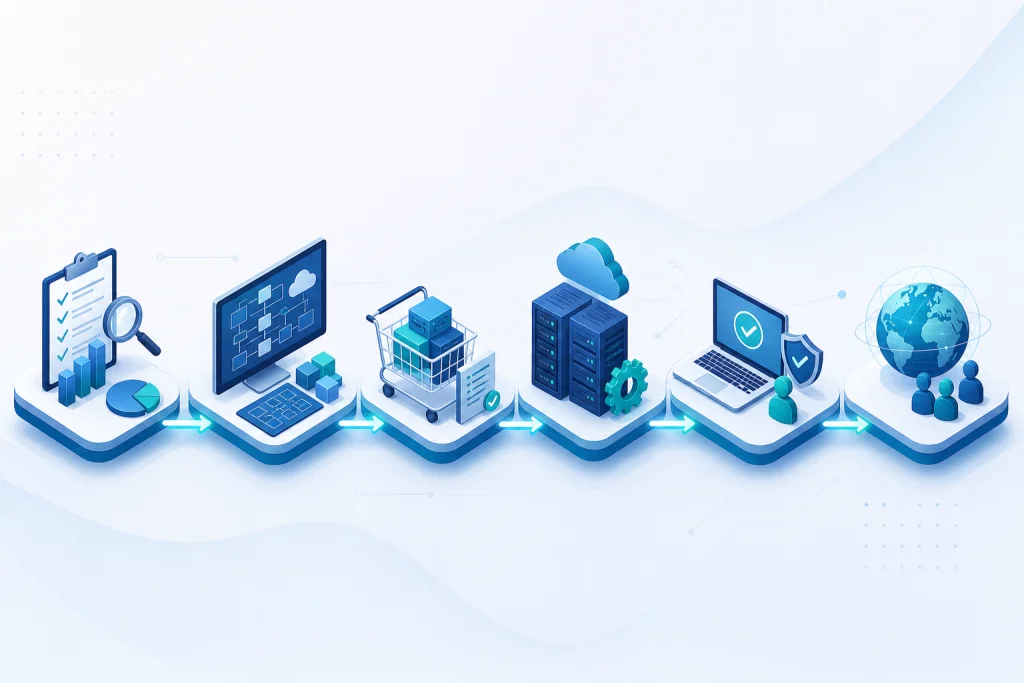
A logistics company in Surabaya with 150 servers (mix of HP ProLiant and Dell PowerEdge) faced 12 hours of monthly downtime due to outdated firmware and failed disks. Challenge: aging hardware, no centralized monitoring, manual patching. Solution: Intilogy deployed a server maintenance program with automated monitoring (Zabbix), quarterly firmware updates, and a 4-hour hardware replacement SLA. Result: downtime reduced to 2 hours per month (83% improvement), server lifespan extended by 2 years, and annual maintenance cost reduced by 35%. Implementation methodology follows a five-phase approach: 1) Assessment—inventory all servers, document configurations, and identify critical assets. 2) Planning—define maintenance windows, patch schedules, and escalation procedures. 3) Deployment—install monitoring agents, configure alerting, and integrate with existing IT Infrastructure. 4) Execution—perform initial patching and hardware health checks. 5) Optimization—continuously refine thresholds and schedules based on performance data. This methodology ensures minimal business disruption and measurable ROI.
Use cases

Perencanaan infrastruktur baru

Refresh & modernisasi

Ekspansi multi-cabang

Compliance & audit IT

Server Maintenance for Enterprise

Our engineers help design, deploy, and support enterprise IT solutions across Indonesia.

Request a quote Contact our team

Related pages

E-E-A-T · Expertise & trust

IT infrastructure & data center expertise

Infrastructure engineers support server/storage sizing, VMware, rack & stack, and operational handover.

  • 500+ Infrastructure deployments
  • 24/7 Operational support
  • SLA Enterprise SLA
  • 150+ Clients & institutions

Engineering & delivery expertise

Engineer-led assessment

Requirements workshops, sizing, and architecture — not catalogue selling without context.

Documented deployment

Commissioning checklists, as-built diagrams, IP plans, and escalation runbooks.

Audit-ready procurement

BoQ/BOM, quotations, POs, and handover packs for tenders and IT audits.

Multi-vendor coordination

One project partner for servers, networks, security, backup, and licensing.

Vendor ecosystem & sourcing channels

We source through official distributors/resellers per brand and project. Specific partnership tiers are confirmed per RFP — see our credentials page.

Vendor Status / tier Scope Notes
Dell Technologies Authorized channel PowerEdge, storage BoQ & manufacturer warranty
HPE Authorized channel ProLiant Enterprise servers
Fortinet Implementation partner NGFW, SD-WAN Licensing & deployment
Veeam Implementation partner Backup, replication Immutable design
VMware Implementation partner vSphere Cluster & migration

Tiers vary by SKU/region. Contact sales@intilogy.com for distributor letters or engineer certificates.

Enterprise implementation methodology

Standard flow for infrastructure, security, and backup projects — scoped per contract.

  1. Discovery & assessment

    Duration: 1–2 weeks

    Deliverables Requirements & risk report

  2. Architecture & BoQ

    Duration: 1–2 weeks

    Deliverables HLD, BoQ, rollout plan

  3. Procurement & staging

    Duration: 2–4 weeks

    Deliverables Asset register

  4. Implementation & UAT

    Duration: 2–6 weeks

    Deliverables As-built, UAT sign-off

  5. Handover & operations

    Duration: Ongoing

    Deliverables SOPs, training, SLA if contracted

Support & SLA (per project contract)

Service levels are defined in agreement — example framework below.

Standard maintenance

Response
Next business day (remote)
Coverage
Firmware advisory, tickets, RMA
Notes
Indonesia business hours

Project warranty

Response
Per implementation contract
Coverage
Defects in Intilogy deployment scope
Notes
Not 24/7 unless agreed

Critical incident (optional)

Response
4–8 hours if contracted
Coverage
Production-critical escalation
Notes
Requires separate MSA

Response times are illustrative — binding only when written in contract.

Technical documentation delivered

  • Topology & rack diagrams (as-built)
  • Asset list, serials, warranty status
  • Critical config summary & change log
  • Basic operations runbook & escalation contacts
  • Restore / DR drill reports (if in scope)
  • Tender packs: distributor letters & engineer certs (on request)

Competency & certifications

Engineers train on vendor technologies per project. Individual certs (Fortinet NSE, VMware VCP, Veeam VMCE, etc.) are provided for tenders — not all listed publicly.

  • Engineer certifications — Per project technology — on request
  • Distributor letters — For procurement audit
  • Client references — See Clients page for logos & scope

View certifications & partnerships

Ready to discuss architecture & BoQ?

Our team supports assessment, recommendations, procurement, and documented implementation.

WhatsApp Consult on WhatsApp
Request Consultation WhatsApp