Storage Migration Architecture
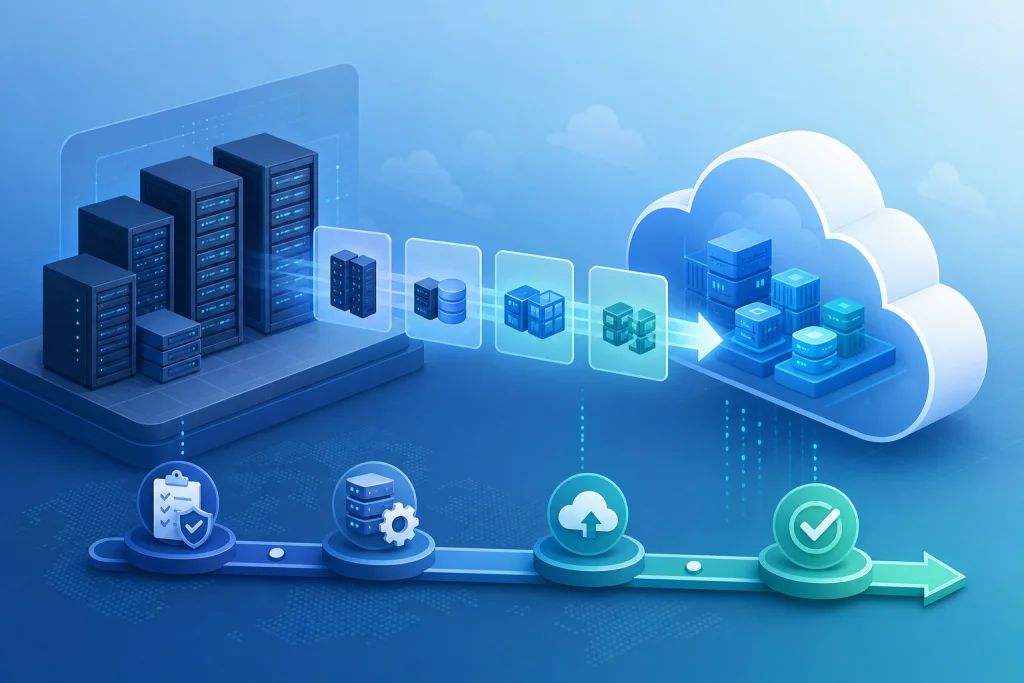
A robust storage migration architecture encompasses several layers: source storage, target storage, network connectivity, and orchestration software. The source may be legacy arrays from vendors like HP (3PAR, MSA) or Dell (SC Series, PowerVault). The target often includes all-flash or NVMe arrays from Pure Storage, NetApp AFF, or Dell PowerMax. Network connectivity relies on high-speed Fibre Channel (16/32 Gbps) or iSCSI over 25/100GbE, with multipathing for redundancy. Orchestration tools like VMware vSphere Storage vMotion or native array-based replication (e.g., NetApp SnapMirror) automate data movement while maintaining application availability. For hybrid cloud scenarios, AWS Storage Gateway or Azure File Sync facilitate tiering. Key architectural decisions include choosing synchronous vs. asynchronous replication based on RPO/RTO, and implementing data deduplication and compression to optimize storage efficiency.
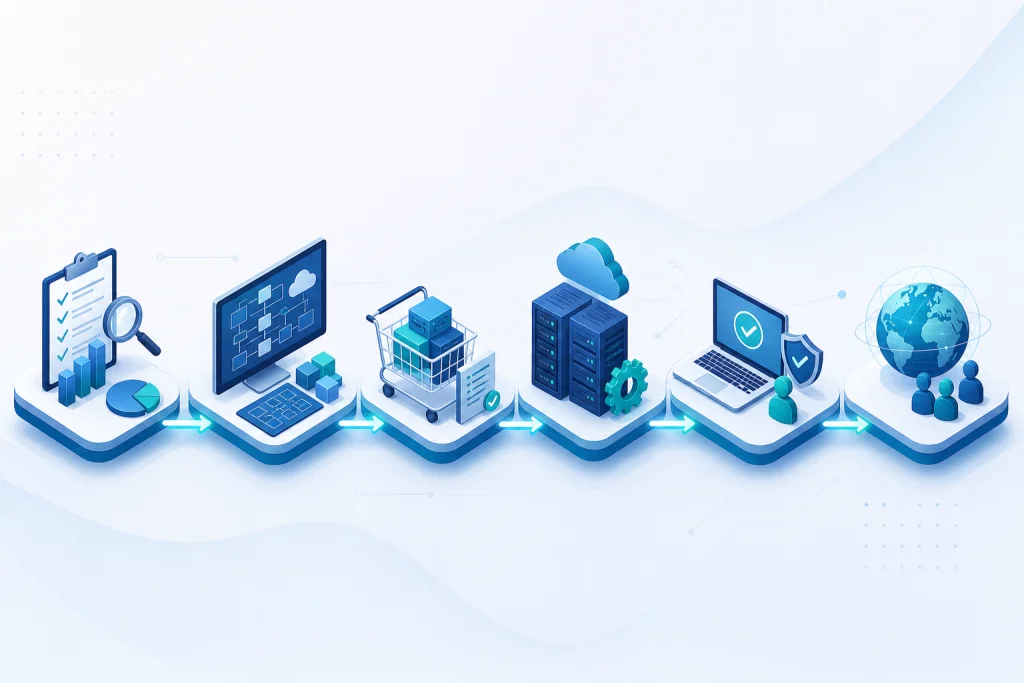
In enterprise environments, storage migration often involves multiple phases: discovery and assessment, design, testing, cutover, and validation. During discovery, tools like Dell EMC Storage Resource Manager or NetApp OnCommand Insight map storage dependencies. The design phase defines the migration strategy—lift-and-shift, re-tiering, or re-platforming. Testing includes performance benchmarking and failover drills. Cutover is typically performed during maintenance windows, using techniques like concurrent copy or mirroring to minimize downtime. Post-migration, continuous monitoring ensures data consistency and application performance. Intilogy's architecture incorporates HCI solutions for converged workloads, reducing complexity.
Industry Use Cases for Storage Migration
Financial services in Indonesia, such as banks in Jakarta, require storage migration to meet regulatory compliance (e.g., BI regulation) and support real-time transaction processing. Migrating from legacy HDD arrays to all-flash storage reduces latency from 10ms to under 1ms, improving customer experience. For example, a major bank migrated 500TB of core banking data to NetApp AFF with SnapMirror, achieving zero data loss and 99.999% uptime. Retail enterprises with large e-commerce platforms benefit from migrating to hybrid cloud storage to handle peak traffic during promotions. A retail company in Bandung migrated 200TB of product images and transaction logs to Dell PowerScale, reducing page load times by 40% and enabling seamless scaling during flash sales.
Healthcare providers, such as hospitals in Surabaya, migrate PACS and EHR data to high-performance storage to support AI-driven diagnostics. A hospital migrated 100TB of medical imaging data to Pure Storage FlashArray, cutting image retrieval time from 15 seconds to 2 seconds. Manufacturing companies in Batam migrate SCADA and IoT data to edge storage for real-time analytics. A factory migrated 50TB of sensor data to HPE Nimble, enabling predictive maintenance that reduced downtime by 30%. These use cases demonstrate how storage migration drives operational excellence across industries in Indonesia.
Storage Migration vs Traditional Alternatives
Traditional alternatives to storage migration include forklift upgrades, manual data copy, or maintaining legacy systems. Forklift upgrades involve replacing entire storage arrays, which requires extended downtime and high upfront costs. Manual data copy using rsync or robocopy is error-prone and slow, especially for large datasets. Maintaining legacy systems leads to escalating operational costs, security vulnerabilities, and performance bottlenecks. In contrast, modern storage migration leverages advanced replication technologies that minimize downtime and ensure data integrity. For instance, VMware Storage vMotion allows live migration of virtual machine disks without service interruption, while array-based snapshots enable point-in-time recovery.
Another key difference is scalability: traditional methods often require over-provisioning storage, whereas migration to software-defined storage (SDS) or cloud allows elastic scaling. Additionally, modern migration integrates with Cybersecurity frameworks to encrypt data in transit and at rest, mitigating risks. Cost-wise, while initial migration investment may be higher, TCO analysis shows savings of 30-50% over three years due to reduced power, cooling, and management overhead. For enterprises in Indonesia, Intilogy recommends a phased migration approach, balancing CAPEX and OPEX, and leveraging Hybrid Cloud for burst capacity.
Case Study & Implementation Methodology
Manufacturing Company in Batam: Challenge: Legacy HPE 3PAR storage with 200TB capacity, 40% utilization, 10ms latency, and frequent performance degradation during peak production. Required 99.99% uptime for SCADA systems. Solution: Migrated to NetApp AFF A250 all-flash array using SnapMirror asynchronous replication over 10GbE iSCSI. Implemented data deduplication (4:1 ratio) and compression. Result: Latency reduced to 0.5ms, storage utilization improved to 75%, operational costs lowered by 35% annually, and achieved 99.999% uptime during the 6-month migration window.
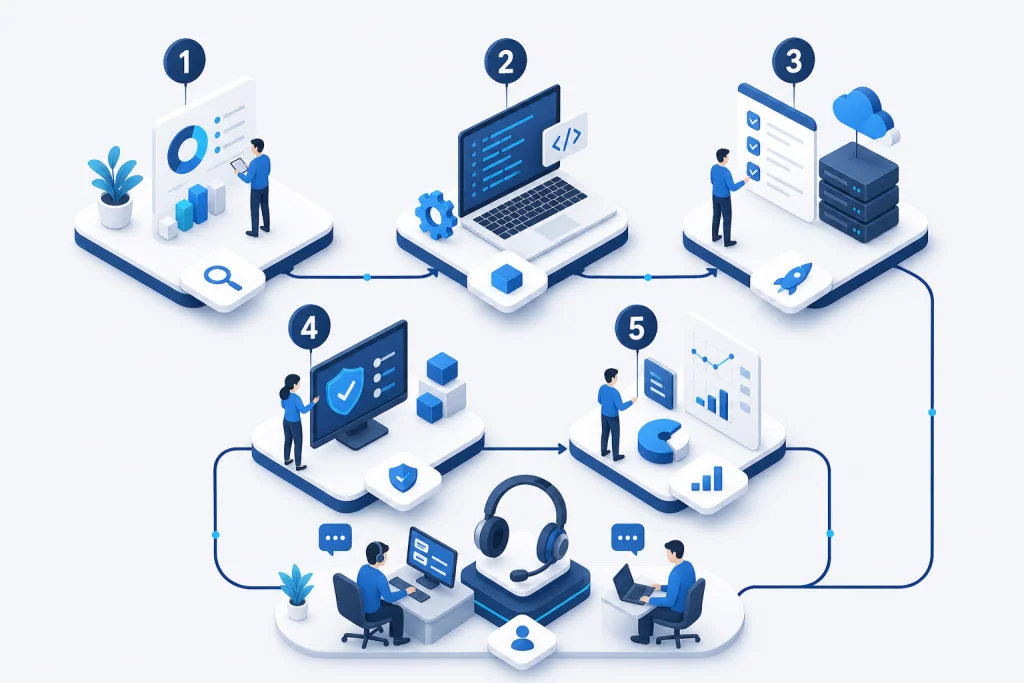
Financial Institution in Jakarta: Challenge: 500TB of core banking data on Dell EMC SC5020, with 8-hour RPO and 4-hour RTO. Needed to meet new regulatory requirements for real-time replication. Solution: Migrated to Dell PowerMax 8000 with SRDF synchronous replication over Fibre Channel. Used VMware vMotion for virtualized workloads. Result: RPO reduced to zero, RTO to 15 minutes, and storage performance improved 3x. The migration was completed over 4 weekends with zero data loss. Intilogy's methodology follows a 5-phase approach: Assessment, Design, Pilot, Migration, and Validation, ensuring minimal business disruption.