Enterprise IT Solutions

Asset Lifecycle Management for Enterprise

Asset Lifecycle Management (ALM) is a strategic framework that governs the entire lifespan of IT and physical assets—from procurement and deployment to maintenance, upgrade, and disposal. For enterprises in Indonesia, effective ALM is critical to minimize total cost of ownership (TCO), ensure regulatory compliance, and maximize asset utilization. Modern ALM leverages IoT sensors, RFID tagging, and cloud-based Enterprise Asset Management (EAM) platforms such as IBM Maximo, SAP EAM, and Infor EAM. These systems integrate with existing IT infrastructure, including servers from Lenovo, HP, and Dell, as well as storage solutions from Synology and QNAP, to provide real-time visibility and automated workflows. By implementing ALM, enterprises can reduce unplanned downtime by up to 40%, extend asset life by 20%, and achieve a 30% reduction in maintenance costs. In Indonesia, where industries such as manufacturing, logistics, and oil & gas face unique challenges like remote asset tracking and compliance with local regulations, ALM solutions tailored to these environments are essential. Intilogy offers end-to-end ALM consulting, deployment, and managed services, ensuring seamless integration with existing ERP systems and cybersecurity frameworks. Our approach includes asset discovery, barcode/RFID tagging, centralized asset repository, preventive maintenance scheduling, and end-of-life recycling, all backed by robust reporting and analytics. With ALM, enterprises gain a single source of truth for asset data, enabling data-driven decisions that improve operational efficiency and reduce risk.

Asset Lifecycle Management Architecture

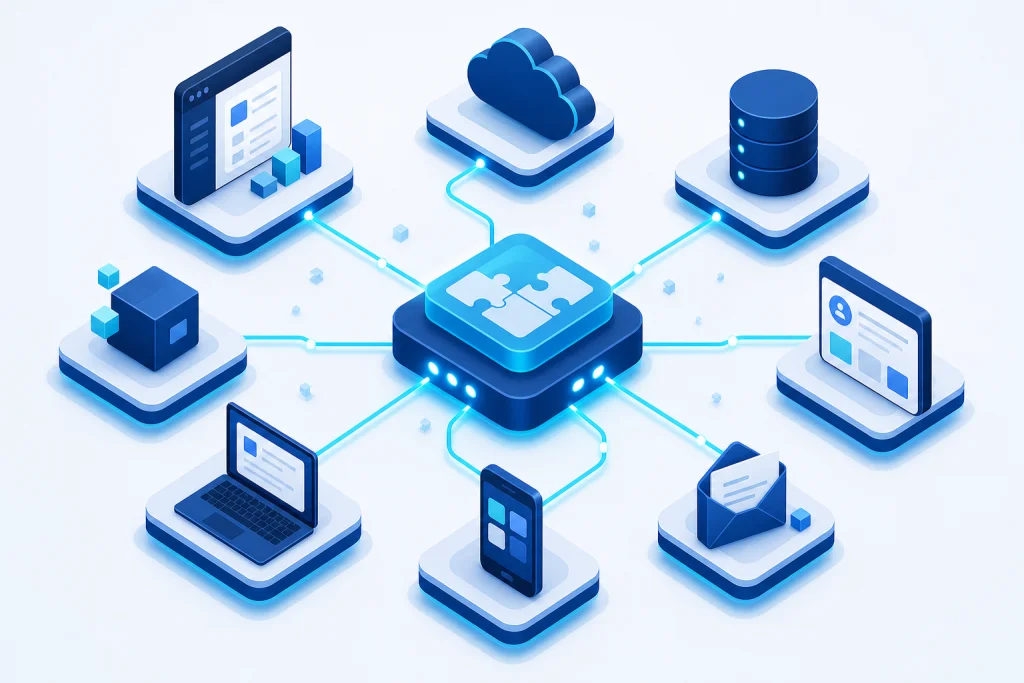
The architecture of an enterprise ALM system is layered and modular, designed to scale across distributed environments. At the physical layer, assets are tagged with passive or active RFID tags, QR codes, or Bluetooth beacons, enabling real-time location tracking via IoT gateways and edge devices. This data flows into a middleware layer that handles data normalization, event processing, and integration with enterprise systems. The core EAM platform resides in a hybrid cloud environment, often leveraging Hybrid Cloud for flexibility and data sovereignty. Key components include a centralized asset repository, workflow engine for approval processes, predictive maintenance algorithms using machine learning, and a reporting dashboard. Integration with Server & Storage infrastructure ensures that asset data is backed up and highly available. Security is enforced through role-based access control and encryption, aligning with Cyber Security best practices. For enterprises in Indonesia, the architecture must support low-bandwidth or intermittent connectivity for remote sites, using store-and-forward mechanisms. The system also interfaces with procurement and finance systems to automate depreciation calculations and audit trails. Overall, this architecture enables a closed-loop lifecycle management process, from acquisition to retirement, with full traceability.

Deployment options include on-premises, cloud, or hybrid models. For large enterprises with sensitive data, on-premises deployment on VMware or HCI provides low latency and data control. Cloud-based ALM, such as SAP Asset Manager or IBM Maximo on AWS/Azure, offers scalability and lower upfront costs. The choice depends on factors like data residency requirements, existing IT landscape, and budget. Intilogy assists in designing the optimal architecture, considering network topology, storage requirements, and integration points with Networking and Enterprise WiFi for mobile asset tracking.

Industry Use Cases for Asset Lifecycle Management

In manufacturing, ALM tracks production equipment, tools, and spare parts. For example, an automotive plant in Bekasi uses RFID-tagged components to monitor usage and schedule preventive maintenance, reducing downtime by 35%. The system integrates with Microsoft Dynamics 365 for inventory management. In logistics and warehousing, ALM enables real-time tracking of forklifts, pallets, and containers. A logistics company in Jakarta deployed Bluetooth beacons and a cloud-based EAM, achieving 25% faster asset retrieval and 20% reduction in lost assets. Integration with Enterprise CCTV provides visual verification of asset movements. In the oil and gas sector, ALM manages critical assets like drilling rigs and pipelines across remote locations. A company in Balikpapan uses IoT sensors and satellite connectivity to monitor asset health, resulting in a 40% reduction in unplanned failures. The system interfaces with Backup & Disaster Recovery solutions to ensure data resilience. In healthcare, hospitals track medical devices, IV pumps, and wheelchairs. A hospital in Surabaya implemented RFID-enabled ALM, reducing equipment search time by 50% and improving asset utilization by 30%. Integration with Fortinet firewalls ensures secure data transmission. These use cases demonstrate how ALM drives efficiency, compliance, and cost savings across industries.

Asset Lifecycle Management vs Traditional Alternatives

Traditional asset management relies on manual spreadsheets, paper-based records, and periodic audits. This approach is error-prone, lacks real-time visibility, and leads to inefficiencies such as overstocking, underutilization, and missed maintenance. In contrast, ALM automates data capture via RFID, IoT, and barcode scanning, providing a single source of truth. For example, a manual audit of 10,000 assets might take weeks and yield 80% accuracy; ALM achieves 99.9% accuracy in real-time. Traditional methods also struggle with lifecycle tracking—depreciation, warranty, and disposal are often siloed. ALM integrates these processes, enabling proactive decisions like optimal replacement timing. Cost-wise, traditional management incurs hidden costs: lost assets, emergency repairs, and compliance fines. ALM reduces TCO by 20-30% through preventive maintenance and optimized inventory. For enterprises in Indonesia, where labor costs are rising and regulations tighten, ALM offers a competitive advantage. While traditional alternatives may have lower upfront costs, they fail to scale. ALM platforms from vendors like Veeam for backup integration or Cisco for network asset tracking provide robust APIs for customization. Ultimately, ALM transforms asset management from a reactive cost center to a strategic value driver.

Case Study & Implementation Methodology

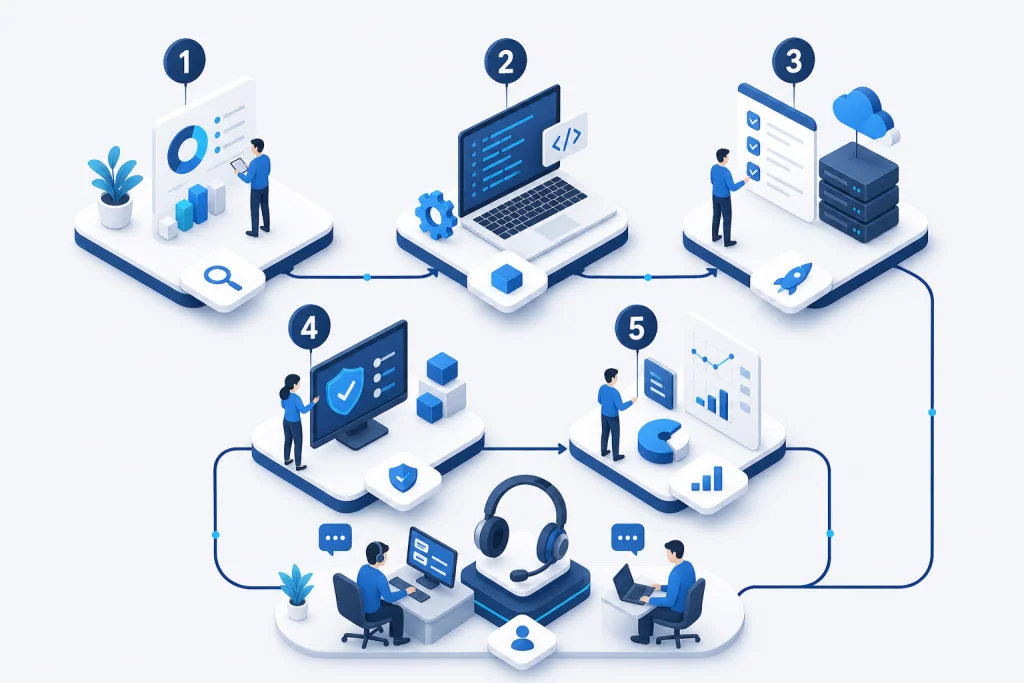
Manufacturing Company in Karawang, Challenge: 15% annual asset loss due to misplacement and theft, 25% unplanned downtime from poor maintenance scheduling. Solution: Implemented RFID-based ALM with IBM Maximo on HCI, integrated with Lenovo servers and Synology NAS for local data storage. Result: 95% reduction in asset loss, 40% decrease in unplanned downtime, ROI of 300% in 18 months. Implementation followed a phased methodology: Phase 1 – Asset discovery and tagging (4 weeks): Deployed 5,000 RFID tags and 20 fixed readers across 3 facilities. Phase 2 – System integration (6 weeks): Connected EAM with existing ERP (SAP) and Networking infrastructure. Phase 3 – Go-live and training (2 weeks): Trained 50 staff on mobile app usage. Phase 4 – Optimization (ongoing): Monthly reviews using analytics dashboards. Another example: Logistics Company in Surabaya, Challenge: 20% container demurrage fees due to poor tracking. Solution: Cloud-based ALM with IoT sensors and QNAP edge storage. Result: 80% reduction in demurrage, 30% faster turnaround. Methodology: Agile implementation with 2-week sprints, using VMware for virtualization. These cases illustrate how structured implementation delivers measurable business outcomes.

Asset Lifecycle Management Architecture

The architecture of an enterprise ALM system is layered and modular, designed to scale across distributed environments. At the physical layer, assets are tagged with passive or active RFID tags, QR codes, or Bluetooth beacons, enabling real-time location tracking via IoT gateways and edge devices. This data flows into a middleware layer that handles data normalization, event processing, and integration with enterprise systems. The core EAM platform resides in a hybrid cloud environment, often leveraging Hybrid Cloud for flexibility and data sovereignty. Key components include a centralized asset repository, workflow engine for approval processes, predictive maintenance algorithms using machine learning, and a reporting dashboard. Integration with Server & Storage infrastructure ensures that asset data is backed up and highly available. Security is enforced through role-based access control and encryption, aligning with Cyber Security best practices. For enterprises in Indonesia, the architecture must support low-bandwidth or intermittent connectivity for remote sites, using store-and-forward mechanisms. The system also interfaces with procurement and finance systems to automate depreciation calculations and audit trails. Overall, this architecture enables a closed-loop lifecycle management process, from acquisition to retirement, with full traceability.

Industry Use Cases for Asset Lifecycle Management

In manufacturing, ALM tracks production equipment, tools, and spare parts. For example, an automotive plant in Bekasi uses RFID-tagged components to monitor usage and schedule preventive maintenance, reducing downtime by 35%. The system integrates with Microsoft Dynamics 365 for inventory management. In logistics and warehousing, ALM enables real-time tracking of forklifts, pallets, and containers. A logistics company in Jakarta deployed Bluetooth beacons and a cloud-based EAM, achieving 25% faster asset retrieval and 20% reduction in lost assets. Integration with Enterprise CCTV provides visual verification of asset movements. In the oil and gas sector, ALM manages critical assets like drilling rigs and pipelines across remote locations. A company in Balikpapan uses IoT sensors and satellite connectivity to monitor asset health, resulting in a 40% reduction in unplanned failures. The system interfaces with Backup & Disaster Recovery solutions to ensure data resilience. In healthcare, hospitals track medical devices, IV pumps, and wheelchairs. A hospital in Surabaya implemented RFID-enabled ALM, reducing equipment search time by 50% and improving asset utilization by 30%. Integration with Fortinet firewalls ensures secure data transmission. These use cases demonstrate how ALM drives efficiency, compliance, and cost savings across industries.

How we work

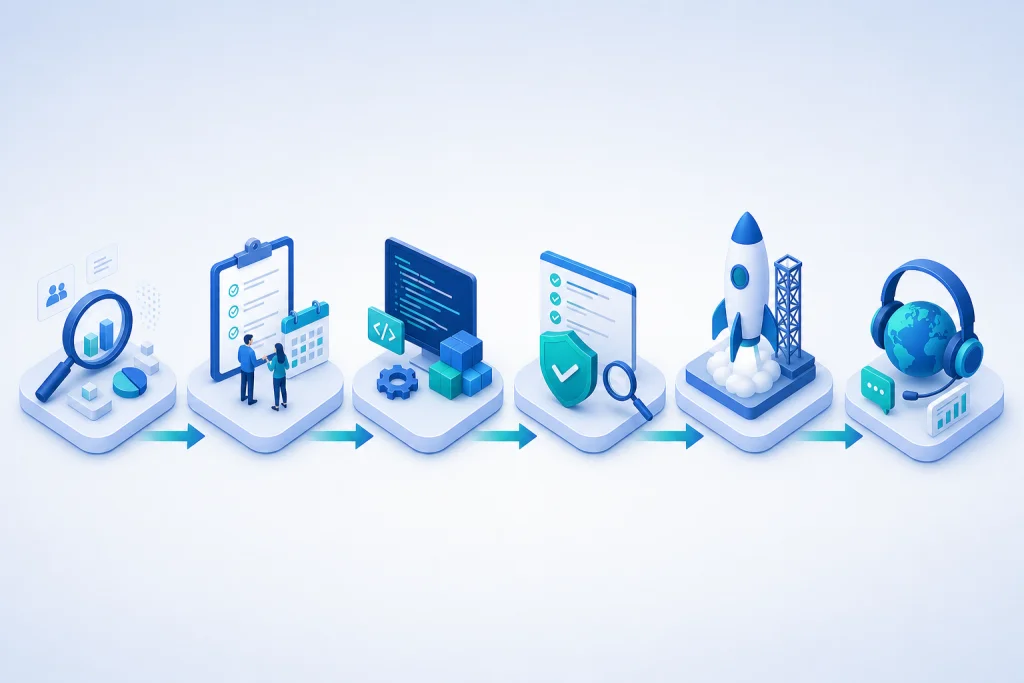
Structured delivery from assessment to handover

Each phase has clear deliverables, owners, and acceptance criteria aligned to enterprise IT practice.

Approach

Asset Lifecycle Management vs Traditional Alternatives

Traditional asset management relies on manual spreadsheets, paper-based records, and periodic audits. This approach is error-prone, lacks real-time visibility, and leads to inefficiencies such as overstocking, underutilization, and missed maintenance. In contrast, ALM automates data capture via RFID, IoT, and barcode scanning, providing a single source of truth. For example, a manual audit of 10,000 assets might take weeks and yield 80% accuracy; ALM achieves 99.9% accuracy in real-time. Traditional methods also struggle with lifecycle tracking—depreciation, warranty, and disposal are often siloed. ALM integrates these processes, enabling proactive decisions like optimal replacement timing. Cost-wise, traditional management incurs hidden costs: lost assets, emergency repairs, and compliance fines. ALM reduces TCO by 20-30% through preventive maintenance and optimized inventory. For enterprises in Indonesia, where labor costs are rising and regulations tighten, ALM offers a competitive advantage. While traditional alternatives may have lower upfront costs, they fail to scale. ALM platforms from vendors like Veeam for backup integration or Cisco for network asset tracking provide robust APIs for customization. Ultimately, ALM transforms asset management from a reactive cost center to a strategic value driver.

Capabilities

Case Study & Implementation Methodology

Manufacturing Company in Karawang, Challenge: 15% annual asset loss due to misplacement and theft, 25% unplanned downtime from poor maintenance scheduling. Solution: Implemented RFID-based ALM with IBM Maximo on HCI, integrated with Lenovo servers and Synology NAS for local data storage. Result: 95% reduction in asset loss, 40% decrease in unplanned downtime, ROI of 300% in 18 months. Implementation followed a phased methodology: Phase 1 – Asset discovery and tagging (4 weeks): Deployed 5,000 RFID tags and 20 fixed readers across 3 facilities. Phase 2 – System integration (6 weeks): Connected EAM with existing ERP (SAP) and Networking infrastructure. Phase 3 – Go-live and training (2 weeks): Trained 50 staff on mobile app usage. Phase 4 – Optimization (ongoing): Monthly reviews using analytics dashboards. Another example: Logistics Company in Surabaya, Challenge: 20% container demurrage fees due to poor tracking. Solution: Cloud-based ALM with IoT sensors and QNAP edge storage. Result: 80% reduction in demurrage, 30% faster turnaround. Methodology: Agile implementation with 2-week sprints, using VMware for virtualization. These cases illustrate how structured implementation delivers measurable business outcomes.
Use cases

Pengadaan greenfield

Refresh infrastruktur

Multi-vendor consolidation

Renewal lisensi

Ekspansi cabang

Asset Lifecycle Management for Enterprise

Our engineers help design, deploy, and support enterprise IT solutions across Indonesia.

Request a quote Contact our team

Related pages

E-E-A-T · Expertise & trust

Implementation expertise & enterprise trust

Intilogy (PT. Inti Jaya Teknologi) supports IT and procurement teams across Indonesia — from technical assessment and BoQ through deployment, documentation, and post go-live support.

  • 500+ Infrastructure deployments
  • 24/7 Operational support
  • SLA Enterprise SLA
  • 150+ Clients & institutions

Engineering & delivery expertise

Engineer-led assessment

Requirements workshops, sizing, and architecture — not catalogue selling without context.

Documented deployment

Commissioning checklists, as-built diagrams, IP plans, and escalation runbooks.

Audit-ready procurement

BoQ/BOM, quotations, POs, and handover packs for tenders and IT audits.

Multi-vendor coordination

One project partner for servers, networks, security, backup, and licensing.

Vendor ecosystem & sourcing channels

We source through official distributors/resellers per brand and project. Specific partnership tiers are confirmed per RFP — see our credentials page.

Vendor Status / tier Scope Notes
Dell Technologies Authorized channel PowerEdge, storage BoQ & manufacturer warranty
HPE Authorized channel ProLiant Enterprise servers
Fortinet Implementation partner NGFW, SD-WAN Licensing & deployment
Veeam Implementation partner Backup, replication Immutable design
VMware Implementation partner vSphere Cluster & migration

Tiers vary by SKU/region. Contact sales@intilogy.com for distributor letters or engineer certificates.

Enterprise implementation methodology

Standard flow for infrastructure, security, and backup projects — scoped per contract.

  1. Discovery & assessment

    Duration: 1–2 weeks

    Deliverables Requirements & risk report

  2. Architecture & BoQ

    Duration: 1–2 weeks

    Deliverables HLD, BoQ, rollout plan

  3. Procurement & staging

    Duration: 2–4 weeks

    Deliverables Asset register

  4. Implementation & UAT

    Duration: 2–6 weeks

    Deliverables As-built, UAT sign-off

  5. Handover & operations

    Duration: Ongoing

    Deliverables SOPs, training, SLA if contracted

Support & SLA (per project contract)

Service levels are defined in agreement — example framework below.

Standard maintenance

Response
Next business day (remote)
Coverage
Firmware advisory, tickets, RMA
Notes
Indonesia business hours

Project warranty

Response
Per implementation contract
Coverage
Defects in Intilogy deployment scope
Notes
Not 24/7 unless agreed

Critical incident (optional)

Response
4–8 hours if contracted
Coverage
Production-critical escalation
Notes
Requires separate MSA

Response times are illustrative — binding only when written in contract.

Technical documentation delivered

  • Topology & rack diagrams (as-built)
  • Asset list, serials, warranty status
  • Critical config summary & change log
  • Basic operations runbook & escalation contacts
  • Restore / DR drill reports (if in scope)
  • Tender packs: distributor letters & engineer certs (on request)

Competency & certifications

Engineers train on vendor technologies per project. Individual certs (Fortinet NSE, VMware VCP, Veeam VMCE, etc.) are provided for tenders — not all listed publicly.

  • Engineer certifications — Per project technology — on request
  • Distributor letters — For procurement audit
  • Client references — See Clients page for logos & scope

View certifications & partnerships

Ready to discuss architecture & BoQ?

Our team supports assessment, recommendations, procurement, and documented implementation.

WhatsApp Consult on WhatsApp
Request Consultation WhatsApp