Logistics Tracking Architecture
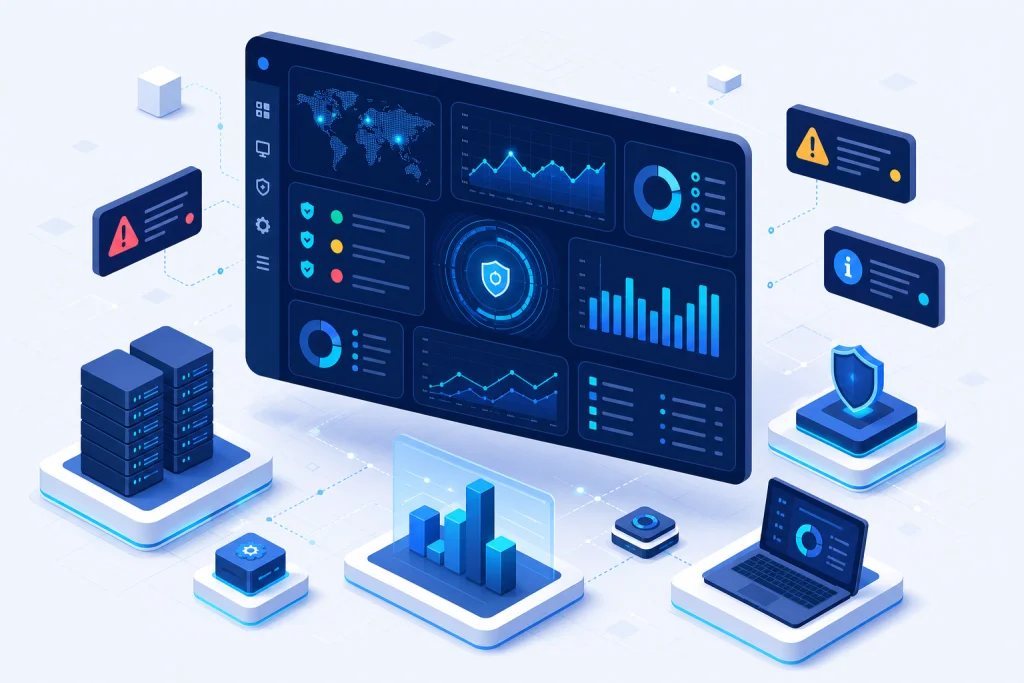
A robust logistics tracking architecture for enterprise in Indonesia comprises multiple layers: perception, network, middleware, and application. The perception layer includes GPS trackers, RFID readers, temperature sensors, and cameras from vendors like HP and Lenovo. These devices collect real-time data on location, condition, and status. The network layer utilizes 4G/5G modems, LoRaWAN gateways, and enterprise WiFi from Cisco or Ruijie to transmit data to centralized servers. The middleware layer, often deployed on hyperconverged infrastructure, processes and stores data using stream processing engines (e.g., Apache Kafka) and time-series databases. The application layer provides visualization dashboards, alerting, and analytics. Integration with hybrid cloud ensures scalability and disaster recovery.
Security is paramount: all data must be encrypted in transit (TLS 1.3) and at rest (AES-256). Access control via cybersecurity solutions like Fortinet firewalls ensures only authorized personnel can view sensitive tracking data. The architecture also supports edge computing for low-latency decisions, such as rerouting shipments when traffic congestion is detected. Redundant power and network connectivity are essential for 24/7 operations, often backed by backup and disaster recovery solutions from Veeam.
Industry Use Cases for Logistics Tracking
In Indonesia, logistics tracking is deployed across diverse sectors. For cold chain logistics, temperature-sensitive pharmaceuticals and food products require continuous monitoring. IoT sensors from Synology integrated with server and storage systems ensure compliance with regulatory standards. In e-commerce fulfillment, real-time tracking of parcels from warehouse to last-mile delivery reduces loss and improves customer satisfaction. Heavy equipment tracking for construction and mining companies uses GPS and vibration sensors to prevent theft and optimize utilization. Additionally, inter-island shipping benefits from maritime tracking via satellite IoT, with data aggregated on hybrid cloud platforms.
Another critical use case is fleet management for logistics service providers. By integrating telematics data with IT infrastructure, companies can monitor driver behavior, fuel consumption, and route efficiency. This leads to a 15-25% reduction in fuel costs and a 30% decrease in accident rates. For asset tracking, RFID tags on pallets and containers enable automated inventory counts, reducing manual errors by 90%. These use cases demonstrate how logistics tracking drives operational excellence and competitive advantage.
Logistics Tracking vs Traditional Alternatives
Traditional logistics management relied on manual data entry, phone calls, and spreadsheets, leading to delays, errors, and lack of visibility. In contrast, modern logistics tracking systems provide real-time, automated data capture and analytics. For example, GPS-based tracking offers continuous location updates, while traditional methods only provided periodic check-ins via radio or phone. IoT sensors enable condition monitoring (temperature, humidity, shock) that was previously impossible. Cloud-based platforms from Microsoft or VMware allow scalable storage and processing, whereas traditional on-premise systems struggled with data volume.
Cost-wise, traditional alternatives have hidden expenses: manual labor, error rectification, and lost assets. A typical enterprise can save up to 20% on logistics costs by adopting automated tracking. Moreover, integration with enterprise WiFi and networking ensures seamless data flow, while traditional methods required separate communication channels. Security is also superior: modern systems include encryption and access controls, unlike paper-based logs. Overall, logistics tracking is not just an upgrade but a necessity for B2B enterprises in Indonesia aiming for efficiency and compliance.
Case Study & Implementation Methodology
Case Study: A pharmaceutical distributor in Jakarta faced 15% product spoilage due to temperature excursions during transit. They deployed IoT sensors (from Lenovo) and a cloud-based tracking platform integrated with their ERP. Result: spoilage reduced to 2%, saving $500k annually, and on-time delivery improved from 85% to 99%.
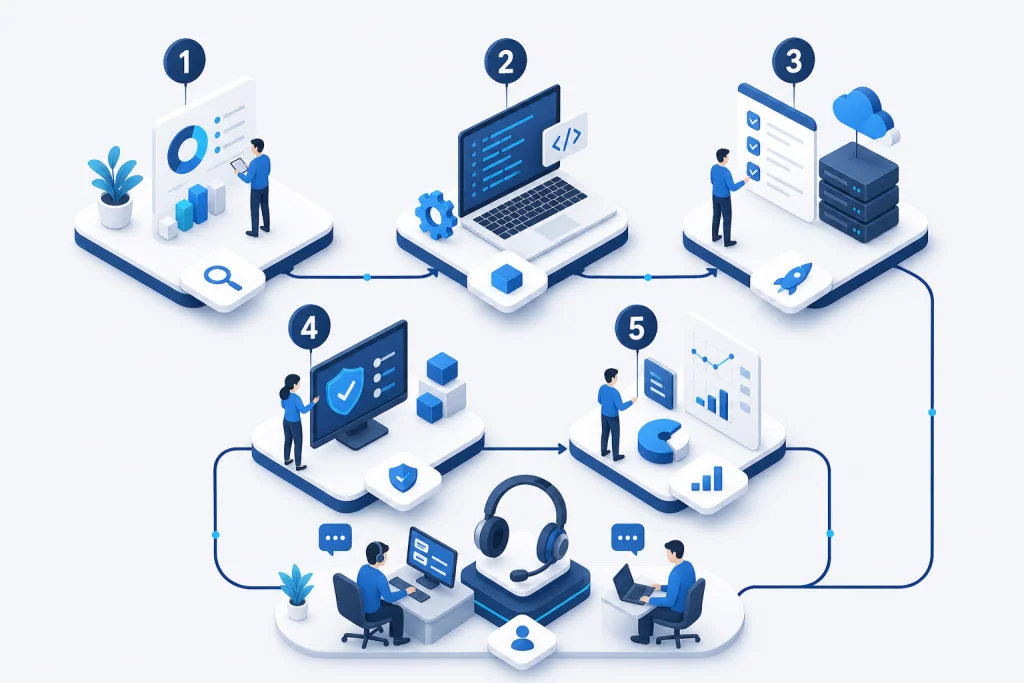
Implementation Methodology: Our phased approach ensures minimal disruption. Phase 1: Assessment of current fleet, routes, and IT infrastructure. Phase 2: Pilot deployment on 10 vehicles with HP ruggedized tablets and Cisco routers. Phase 3: Full rollout with HCI for data processing and backup from Veeam. Phase 4: Optimization using analytics dashboards. Key metrics tracked: asset utilization (+25%), fuel efficiency (+18%), and customer satisfaction (NPS +30).