Mobile Computing Architecture
A robust enterprise mobile computing architecture comprises four layers: endpoints, connectivity, management, and backend integration. Endpoints include rugged tablets (e.g., Lenovo ThinkPad X12 Detachable with hot-swappable battery), handheld scanners (e.g., Zebra TC77), and vehicle-mounted computers. These devices run Windows or Android and integrate barcode scanners, RFID readers, and cameras. Connectivity relies on Wi-Fi 6 from Cisco or Ruijie for indoor use, and 4G/5G for outdoor field operations, often with VPN tunneling via Fortinet for security. Management is centralized via MDM platforms like VMware Workspace ONE or Microsoft Intune, enabling remote configuration, app deployment, and compliance enforcement. Backend integration connects to ERP/WMS via APIs, with data synchronized to on-premise servers or hybrid cloud storage. Redundancy is achieved through offline caching: devices store data locally and sync when connectivity is restored. This architecture ensures real-time inventory visibility, reduced latency, and high availability for mission-critical operations.
For example, a warehouse deployment might use 50 Zebra TC77 scanners connected to a Cisco Wi-Fi 6 network, managed by VMware Workspace ONE, with backend integration to a SAP ECC system hosted on Dell PowerEdge servers. The network is segmented via VLANs and protected by Fortinet FortiGate firewalls. Data is backed up to a Synology NAS for disaster recovery. This setup reduces data entry errors by 40% and improves picking accuracy to 99.5%.
Industry Use Cases for Mobile Computing
In logistics and transportation, mobile computing enables real-time tracking of shipments, proof of delivery with signature capture, and route optimization. For example, a logistics company in Jakarta deployed rugged tablets with GPS and barcode scanners to replace paper manifests, reducing delivery errors by 35% and improving on-time delivery by 20%. In manufacturing, mobile devices on the shop floor allow operators to scan components, record quality checks, and access digital work instructions, cutting defect rates by 25%. Warehouse operations benefit from voice-directed picking using mobile computers, increasing pick rates by 15% and reducing training time. Field service technicians use rugged laptops to access remote diagnostics, update work orders, and capture customer signatures, reducing average repair time by 30%. In retail, mobile POS systems enable checkout anywhere in the store, reducing queue times and increasing sales. These use cases rely on integration with enterprise systems like SAP, Oracle, and Microsoft Dynamics, often via IT infrastructure that ensures low latency and high availability.
A manufacturing plant in Surabaya implemented 100 HP ElitePad tablets for line-side quality control, integrated with a QlikView dashboard on a hyperconverged infrastructure. The result was a 20% increase in first-pass yield and a 15% reduction in rework costs. The tablets were managed via MDM, with automatic app updates and remote wipe capabilities.
Mobile Computing vs Traditional Alternatives
Traditional alternatives to mobile computing include paper-based processes, fixed desktop workstations, and consumer-grade tablets. Paper-based systems suffer from manual data entry errors (up to 10%), delays in information flow, and loss of documents. Fixed desktops limit mobility, forcing workers to travel to a terminal, reducing productivity by up to 30% in warehouse settings. Consumer-grade tablets (e.g., iPads) lack ruggedization, have limited battery life, and cannot withstand drops or dust, leading to frequent replacements and higher TCO. In contrast, enterprise mobile computing devices are MIL-STD-810G certified, IP65 rated, and have hot-swappable batteries for 24/7 operation. They integrate barcode scanners, RFID, and industrial cameras, eliminating the need for separate peripherals. MDM provides centralized security and compliance, while consumer devices lack enterprise-grade management. Additionally, enterprise solutions offer offline capabilities, critical for remote areas in Indonesia. A cost-benefit analysis shows that enterprise mobile computing reduces total cost of ownership by 40% over three years compared to consumer tablets, due to lower failure rates and higher productivity. The shift also enables real-time data analytics, improving decision-making. For example, a distribution center using rugged handhelds achieved 99.8% inventory accuracy versus 95% with paper, and reduced cycle counting time by 50%.
When comparing networking, enterprise Wi-Fi from Cisco or Ruijie provides seamless roaming and QoS for voice and video, while consumer Wi-Fi leads to dropouts. Security is also superior: firewalls and VPNs protect data in transit, and MDM enforces encryption and remote wipe. Traditional alternatives lack these capabilities, exposing the enterprise to data breaches and compliance risks.
Case Study & Implementation Methodology
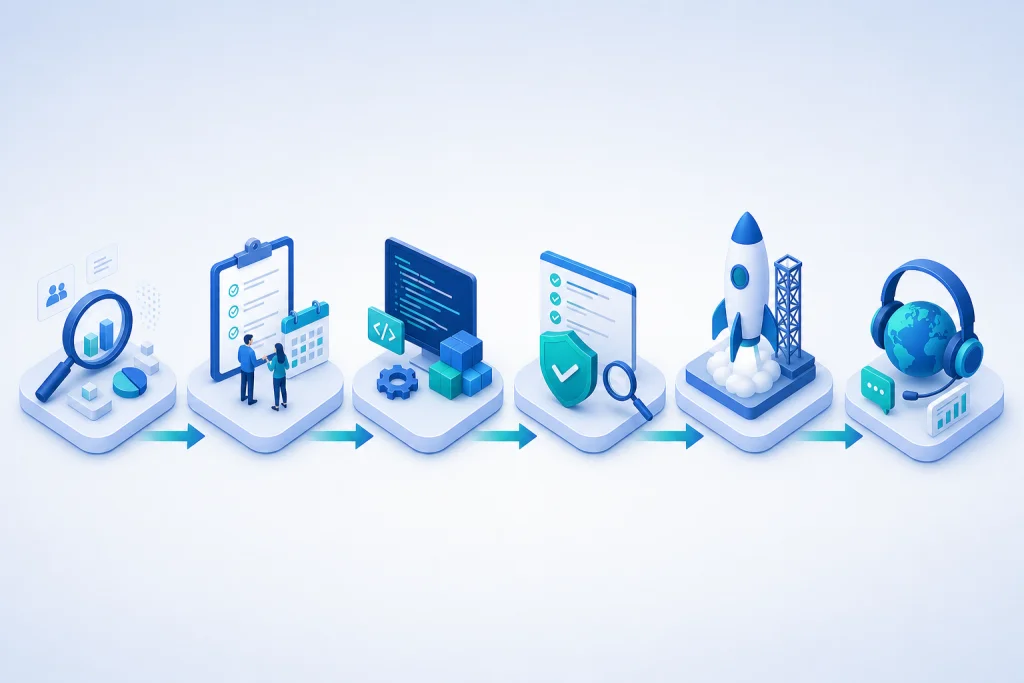
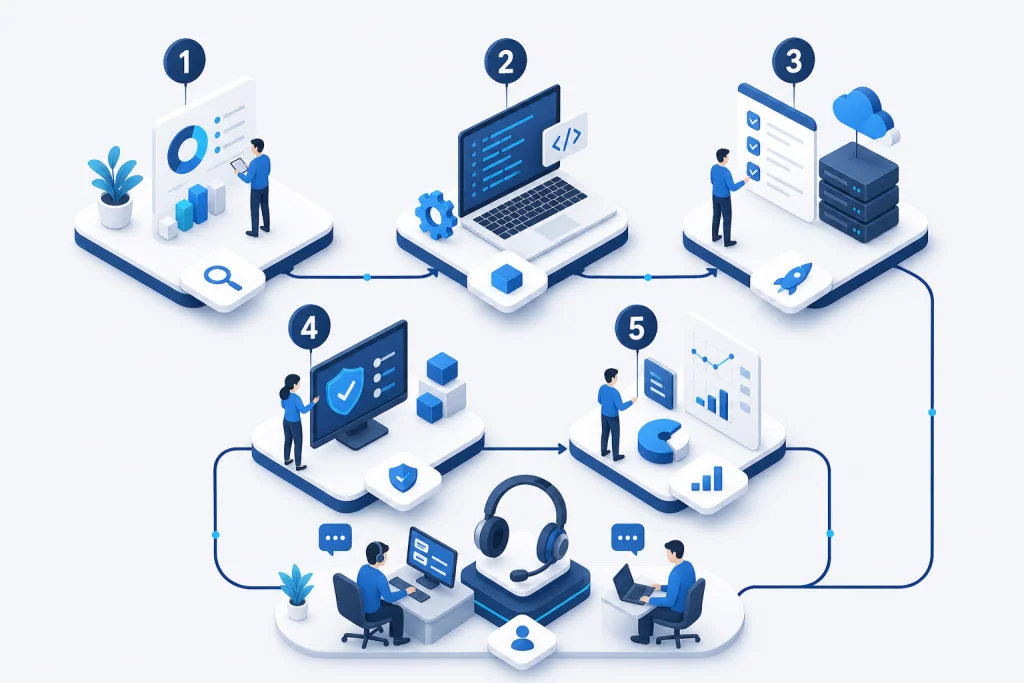
Implementation methodology follows a phased approach: assessment, pilot, deployment, and optimization. In the assessment phase, we evaluate existing workflows, device requirements, and network readiness. For example, a logistics company in Jakarta faced a challenge: 200 field workers used paper forms, resulting in 12% error rate and 2-day delay in invoice processing. The solution deployed 200 rugged tablets (Lenovo ThinkPad X12) with barcode scanners, Cisco Meraki Wi-Fi, and a custom Android app integrated with SAP. The result: error rate dropped to 2%, invoice processing time reduced to 4 hours, and fuel costs decreased by 8% due to optimized routes. The pilot phase tested 20 devices for 2 weeks, measuring uptime (99.5%) and user satisfaction (4.8/5). Full deployment was completed in 4 weeks, with training and MDM configuration. Post-deployment, ongoing optimization includes firmware updates and security patches via VMware Workspace ONE. Another case: a manufacturing plant in Bandung with 50 forklifts needed real-time inventory tracking. Challenge: manual scanning at fixed stations caused 15% idle time. Solution: vehicle-mounted Zebra TC77 scanners with Ruijie Wi-Fi and backend integration to Oracle WMS. Result: idle time reduced to 5%, inventory accuracy improved to 99.9%, and ROI achieved in 8 months. Implementation methodology ensures minimal disruption, with rollback plans and 24/7 support.
The methodology also includes security hardening: devices are enrolled in MDM, VPN is mandatory for data transmission, and all data is encrypted at rest using BitLocker or FileVault. Backup is handled by Veeam to a QNAP NAS. This structured approach ensures enterprise-grade reliability and scalability.