Capacity Planning Architecture
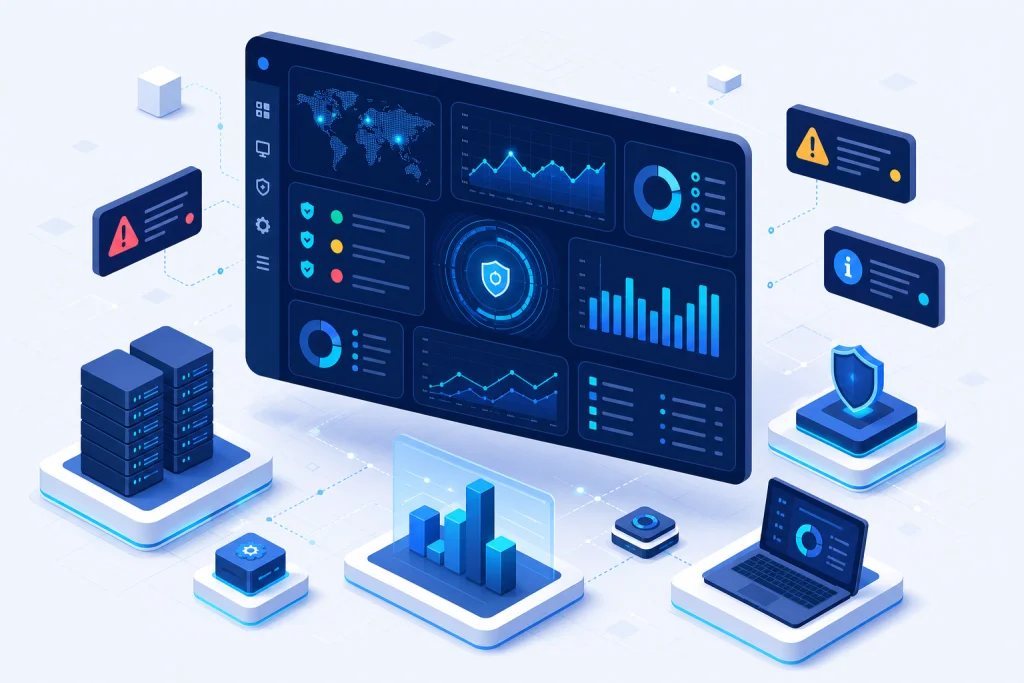
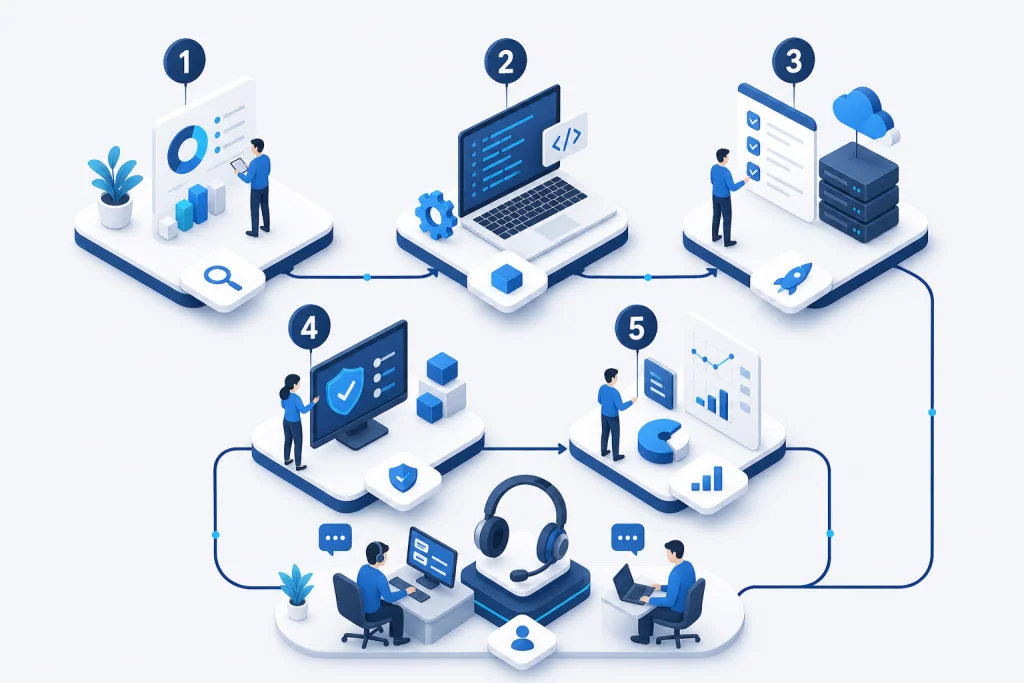
A robust capacity planning architecture integrates data collection, analytics, and automation to forecast resource needs. It begins with agents deployed on servers, storage arrays, and network devices to gather metrics like CPU utilization, memory usage, I/O latency, and throughput. This data flows into a centralized analytics engine, often built on HCI platforms from Lenovo or Dell, which uses machine learning to identify trends and predict future demands. The architecture includes a dashboard for IT teams to visualize capacity heatmaps and set thresholds for alerts. For example, VMware vRealize Operations can analyze historical data to recommend optimal VM sizing and cluster expansion. Storage capacity planning leverages tools like Synology DSM or QNAP QTS to monitor volume usage and predict when to add drives. Network capacity is managed via Cisco DNA Center or Fortinet FortiManager, which track bandwidth utilization and suggest upgrades. The architecture also supports hybrid cloud models, where Hybrid Cloud solutions automatically burst workloads to public cloud during peak demand. This layered approach ensures that enterprises in Indonesia can scale resources proactively, avoiding performance degradation during high-traffic events like end-of-month financial closes or promotional campaigns.
Key components include a data warehouse for long-term trend storage, a prediction engine using regression or time-series algorithms, and an automation layer that triggers resource provisioning via APIs. For instance, a manufacturing company might use this architecture to predict storage needs for IoT sensor data, automatically scaling Server & Storage capacity. The architecture also integrates with IT service management (ITSM) tools to generate change requests for capacity additions. By adopting this architecture, enterprises reduce manual effort by 40% and improve forecast accuracy to within 5% of actual demand.
Industry Use Cases for Capacity Planning
In the banking sector, capacity planning ensures that transaction processing systems handle peak loads during payroll days or holiday rushes. A bank in Jakarta uses IT Infrastructure monitoring with VMware to predict when to add servers for mobile banking apps, reducing transaction failures by 25%. For manufacturing, a factory in Batam relies on capacity planning to manage data from thousands of IoT sensors tracking production lines. By using HP servers and Synology storage, they forecast storage growth and avoid downtime that costs $10,000 per hour. In logistics, a warehouse in Surabaya uses capacity planning for inventory management systems, ensuring that Enterprise WiFi and Networking infrastructure can support increased scanning during peak seasons. They achieved 30% faster throughput by scaling network capacity proactively. Healthcare providers in Bandung use capacity planning for electronic medical records (EMR) systems, leveraging Dell PowerEdge servers and Backup & Disaster Recovery to ensure patient data is always accessible. This reduces data retrieval times by 40% and meets regulatory compliance. Retail enterprises in Indonesia use capacity planning for e-commerce platforms during flash sales, scaling HCI clusters to handle 10x traffic spikes without latency.
Each use case demonstrates how capacity planning aligns IT resources with business cycles, preventing overprovisioning and underutilization. For instance, a fintech company in Jakarta reduced cloud costs by 35% by using predictive analytics to right-size instances, avoiding unnecessary Hybrid Cloud spending. These examples highlight the versatility of capacity planning across industries, driving operational efficiency and cost savings.
Capacity Planning vs Traditional Alternatives
Traditional capacity management relies on reactive approaches, such as manual monitoring with spreadsheets or basic threshold alerts, leading to either overprovisioning (wasting capital) or underprovisioning (causing outages). In contrast, modern capacity planning uses predictive analytics and automation to optimize resource allocation. For example, a traditional method might add servers when CPU usage exceeds 80%, but this often results in idle resources. A predictive approach using VMware vRealize Operations can forecast demand weeks in advance, allowing just-in-time provisioning. Another alternative is using public cloud autoscaling alone, but this can lead to unpredictable costs and data sovereignty issues. Capacity planning with HCI from Lenovo or Dell provides on-premises control with cloud-like elasticity, reducing TCO by 25% compared to pure cloud. Traditional siloed tools for compute, storage, and network cannot provide holistic insights; integrated platforms like Microsoft System Center or Cisco Intersight offer unified views. Additionally, traditional methods lack automation—capacity planning tools can automatically spin up VMs or adjust storage quotas via Veeam or Synology APIs. For Indonesian enterprises, the shift from reactive to proactive capacity planning reduces mean time to resolution (MTTR) by 50% and improves resource utilization from 40% to 70%.
Another key difference is financial planning: traditional approaches often use linear growth models, while capacity planning incorporates seasonality and business drivers. For instance, a retailer using traditional methods might overbuy storage for year-end sales, while predictive planning aligns purchases with actual demand. This results in 20% lower capital expenditure. Furthermore, traditional alternatives lack integration with Backup & Disaster Recovery planning, whereas modern capacity planning includes redundancy and failover capacity, ensuring business continuity. Overall, capacity planning offers a data-driven, automated, and cost-effective alternative to outdated manual methods.
Case Study & Implementation Methodology
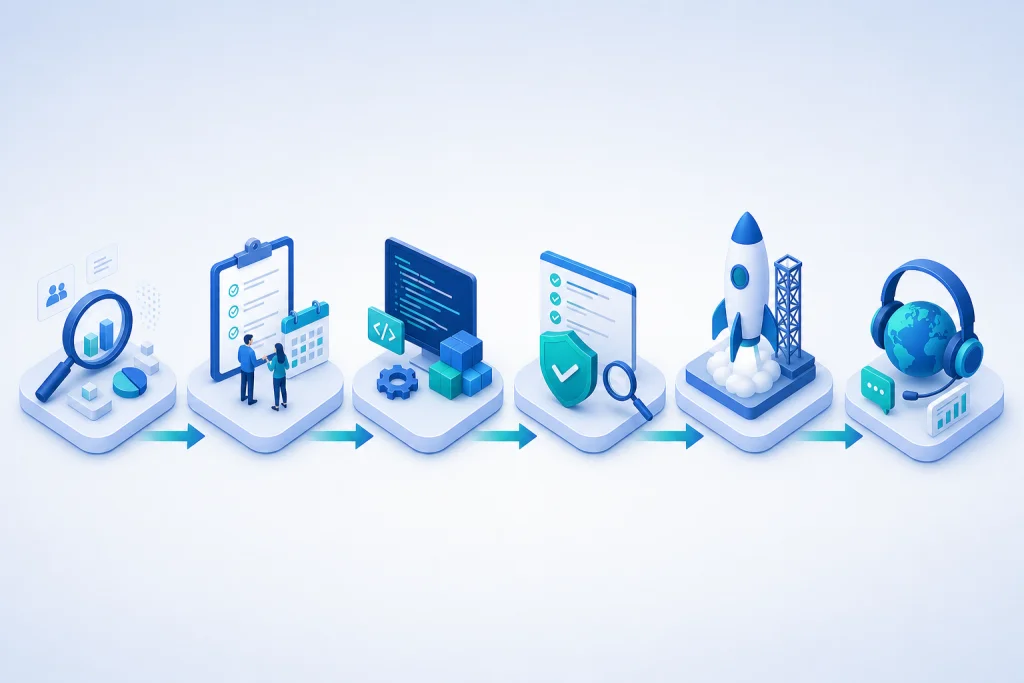
A financial services company in Jakarta faced challenges with their core banking system: transaction volumes grew 30% year-over-year, but their legacy infrastructure caused 15% of transactions to timeout during peak hours. They implemented a capacity planning solution using VMware vRealize Operations and Dell PowerEdge servers with HCI from Lenovo. The methodology involved a four-phase approach: assessment, modeling, implementation, and optimization. In the assessment phase, they collected six months of performance data and identified that CPU and memory were the primary bottlenecks. Using predictive modeling, they forecasted a 40% increase in demand over the next year. The implementation deployed a cluster of 10 Dell servers with automated scaling policies. Results: transaction timeouts reduced to 0.5%, infrastructure costs decreased by 28% through right-sizing, and energy consumption dropped by 15%. The company achieved 99.99% uptime and saved $200,000 annually in avoided downtime and overprovisioning.
Another case: a logistics company in Surabaya with a warehouse management system (WMS) experienced storage capacity issues during peak seasons. They used Synology storage and Cisco networking for capacity planning. The methodology included setting up real-time monitoring with alerts at 70% utilization, and automated archiving of old data to Backup & Disaster Recovery storage. They also integrated with Fortinet firewalls to ensure security during scaling. Results: storage utilization improved from 50% to 85%, and they avoided purchasing 20TB of unnecessary storage, saving $30,000. The implementation methodology followed ITIL best practices, with a focus on continuous improvement through quarterly reviews. These cases demonstrate how structured capacity planning delivers measurable ROI for Indonesian enterprises.