Endpoint Management Architecture
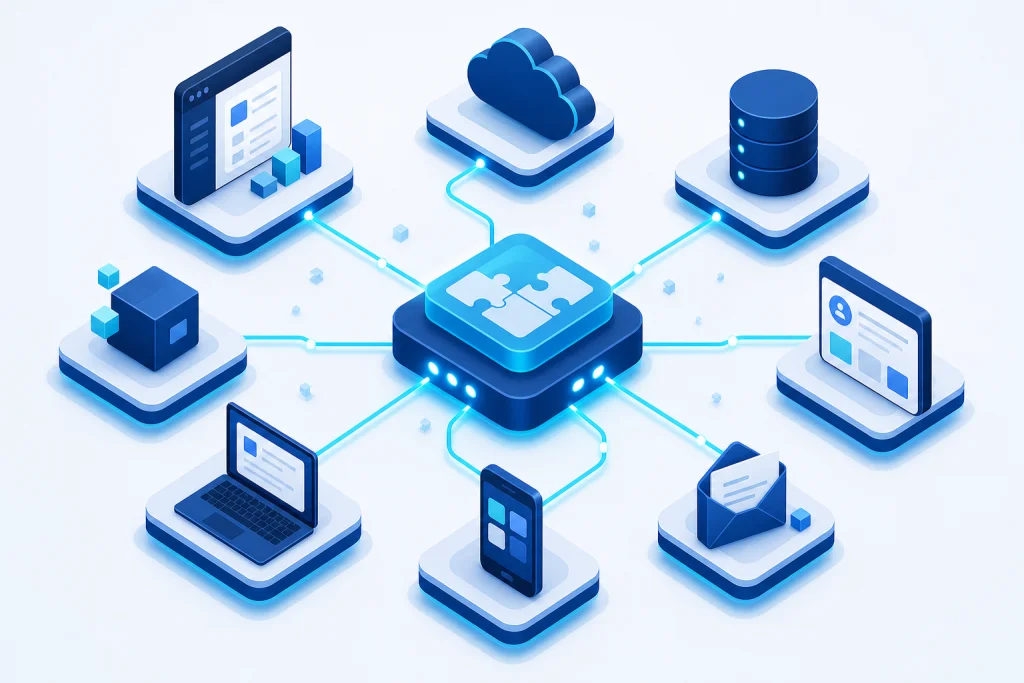
A robust endpoint management architecture in an enterprise environment consists of multiple layers: the device layer, the management platform, the network layer, and the security layer. The device layer includes all managed endpoints—Windows PCs, MacBooks, Android tablets, iOS smartphones, and IoT sensors. Each device runs an agent or uses a management protocol (e.g., MDM, OMA-DM) to communicate with the central management server. For on-premises deployments, solutions like Microsoft Endpoint Configuration Manager (SCCM) integrate with Active Directory and server storage to deliver software updates and compliance policies. In cloud or hybrid models, platforms like Microsoft Intune and VMware Workspace ONE provide a single pane of glass for managing devices across domains, leveraging hybrid cloud connectivity to synchronize policies and data.
The network layer ensures secure communication between endpoints and management servers, often through VPNs or direct internet connections with certificate-based authentication. Integration with Cisco network access control (NAC) solutions enforces posture checks before granting network access. The security layer incorporates endpoint detection and response (EDR) tools, such as Microsoft Defender for Endpoint, to monitor for anomalies and remediate threats automatically. A modern architecture also includes a self-service portal for users to enroll devices, request software, and reset passwords, reducing IT helpdesk tickets by up to 40%. Scalability is achieved through load balancing and geo-distributed management points, ensuring high availability for enterprises with offices across Indonesia.
Industry Use Cases for Endpoint Management
In the banking sector, endpoint management ensures that all teller workstations, ATMs, and mobile devices comply with strict security policies, such as full-disk encryption and application whitelisting. For example, a bank in Jakarta with 2,000 endpoints reduced security incidents by 60% after deploying Microsoft Intune with conditional access policies integrated with firewall solutions. In manufacturing, endpoint management is critical for managing ruggedized tablets and handheld scanners on the factory floor. A manufacturing company in Surabaya used VMware Workspace ONE to provision 500 Android devices with pre-configured apps and kiosk mode, cutting deployment time from 2 weeks to 2 days.
Healthcare organizations leverage endpoint management to secure patient data on mobile devices used by doctors and nurses. A hospital in Bandung implemented Ivanti UEM to manage 1,200 iOS and Windows devices, enforcing HIPAA-like compliance and enabling remote wipe for lost devices. In logistics, endpoint management helps track and secure IoT sensors and handheld terminals in warehouses. A logistics firm in Batam integrated endpoint management with enterprise WiFi to automatically configure devices upon connection, improving inventory accuracy by 25%. Retail chains use endpoint management to manage POS terminals and employee mobile devices, ensuring consistent software versions and PCI DSS compliance.
Endpoint Management vs Traditional Alternatives
Traditional endpoint management relied on on-premises tools like Microsoft SCCM or manual imaging processes, which are labor-intensive and lack real-time visibility. These methods require dedicated servers and IT staff to maintain, leading to high operational costs and slow response to security vulnerabilities. In contrast, modern endpoint management platforms are cloud-based, offering automatic updates, scalability, and integration with other IT systems. For example, while SCCM requires complex infrastructure for patch management, Microsoft Intune delivers patches directly from the cloud, reducing the need for backup and disaster recovery infrastructure for management servers.
Another key difference is security: traditional methods often rely on group policies and manual compliance checks, whereas modern solutions incorporate AI-driven threat detection and zero-trust principles. With remote work becoming prevalent, traditional VPN-based access is insufficient; modern endpoint management integrates with HCI and SD-WAN to provide secure access regardless of location. Additionally, modern platforms support a broader range of devices and operating systems, including macOS, Linux, and IoT, which traditional tools struggle to manage. The total cost of ownership for modern endpoint management is typically 20-30% lower due to reduced hardware, fewer IT staff hours, and faster incident response.
Case Study & Implementation Methodology
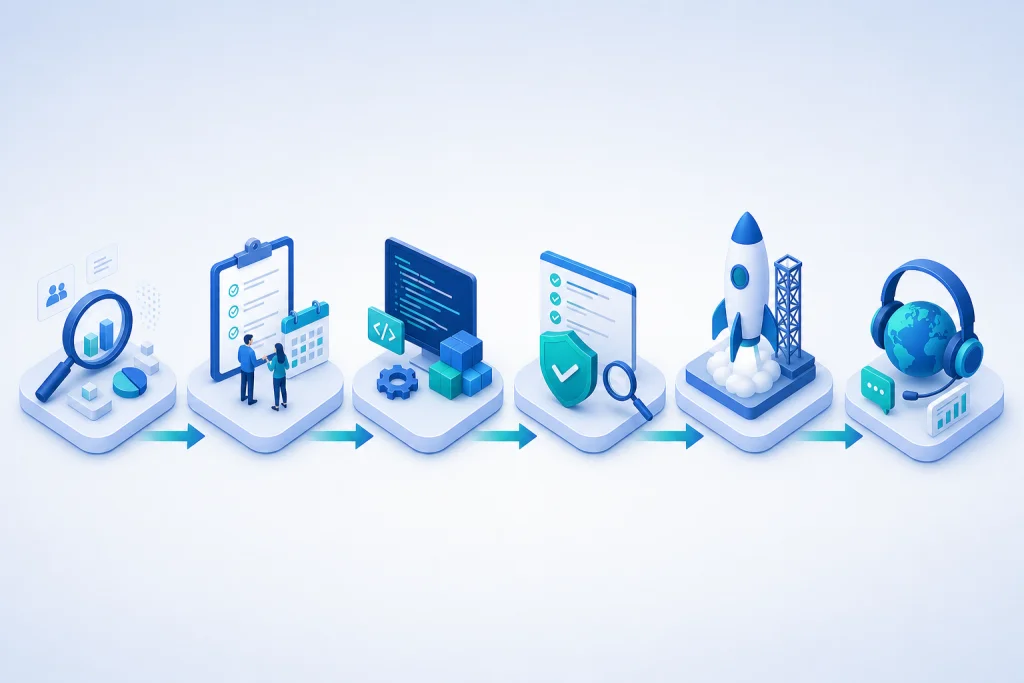
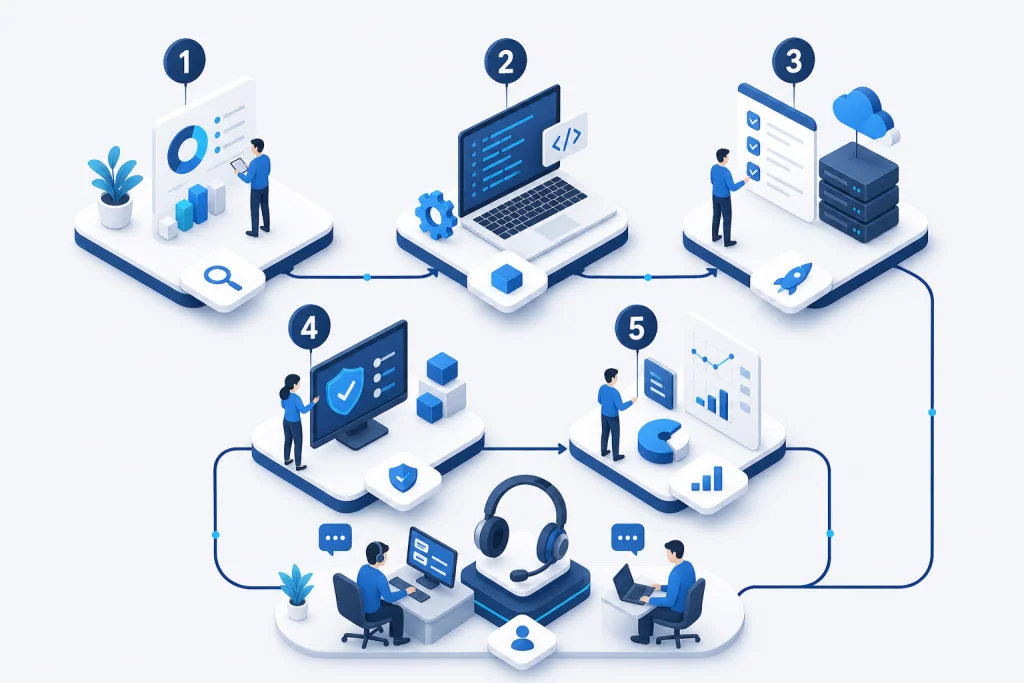
A financial services company in Jakarta with 3,500 endpoints faced challenges in patch management: only 65% of devices were fully patched, leading to compliance gaps and increased risk of ransomware. The implementation methodology followed a phased approach: first, a discovery phase using Microsoft Intune to inventory all devices and assess patch status. Next, a pilot group of 200 devices was configured with automated update rings and compliance policies. After validating the pilot, the rollout expanded to all endpoints over 4 weeks, with training for IT staff on reporting and troubleshooting. Integration with Fortinet firewall enabled conditional access for non-compliant devices.
Results: Patch compliance improved to 98% within 6 weeks, reducing vulnerability windows by 80%. Helpdesk tickets related to software issues dropped by 45%, and IT saved 120 hours per month previously spent on manual patching. The solution also enabled self-service password reset and app requests, further reducing support costs. Another case: a retail chain in Bandung with 800 POS terminals and 1,200 employee mobile devices implemented VMware Workspace ONE to unify management. By automating device provisioning and enforcing encryption, they achieved a 30% reduction in device setup time and ensured PCI DSS compliance across all terminals. The methodology included a proof-of-concept (PoC) for 50 devices, followed by a phased rollout over 8 weeks, with continuous monitoring using built-in analytics.