Storage Consolidation Architecture
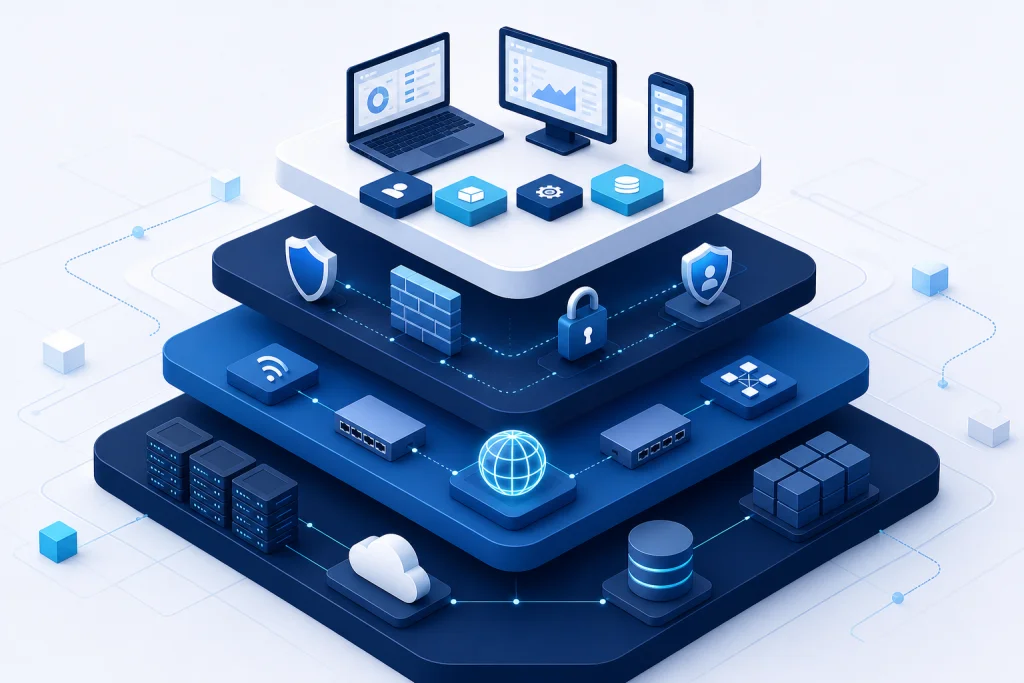
A robust storage consolidation architecture typically leverages a combination of SAN and NAS protocols over a high-speed fabric like Fibre Channel (FC) or iSCSI. In enterprise environments, a unified storage platform such as Dell PowerStore or Lenovo ThinkSystem DM series provides both block and file access in a single system. This eliminates silos and simplifies data management. The architecture often includes flash storage for performance-critical workloads and HDDs for capacity, with automated tiering to optimize cost and performance. For virtualization, VMware vSAN or Hyper-V with Storage Spaces Direct can create a hyperconverged cluster, integrating compute and storage. Redundant controllers, multipathing, and snapshots ensure high availability and data protection. In Indonesia, where network latency can be a concern, deploying a distributed storage fabric with local caching and WAN optimization is critical. The architecture should also support replication for disaster recovery, using asynchronous or synchronous replication based on RPO requirements.
Key components include: (1) Storage controllers with active-active failover, (2) SSD and NVMe drives for low-latency access, (3) Data reduction technologies like deduplication and compression, (4) Unified management software for monitoring and provisioning. For example, a typical consolidated solution might use Dell PowerMax for mainframe workloads and Dell PowerScale for unstructured data, all managed via Dell EMC Unisphere. Similarly, Lenovo ThinkSystem DM series integrates with VMware for seamless storage operations. Enterprises should also consider Hybrid Cloud integration to extend storage to public clouds for burst capacity. This architecture reduces complexity and enables IT teams to focus on innovation rather than storage administration.
Industry Use Cases for Storage Consolidation
In the financial sector, Indonesian banks and insurance companies consolidate storage to manage transactional databases, customer records, and compliance archives. For instance, a bank in Jakarta consolidated multiple legacy arrays into a single Dell PowerStore system, achieving 4:1 data reduction and 30% lower latency for online transactions. This improved real-time fraud detection and customer experience. In logistics and warehousing, companies like those in Surabaya use consolidated NAS for inventory management and CCTV footage storage. By centralizing storage, they reduced backup windows by 60% and ensured 99.99% availability for mission-critical applications. Manufacturing firms in Batam leverage consolidated storage for ERP systems and IoT data from sensors. Using Lenovo ThinkSystem DM with VMware, they achieved 50% faster reporting and simplified disaster recovery across multiple sites.
Healthcare providers in Bandung consolidate storage for electronic medical records (EMR) and PACS imaging. A hospital consolidated PACS storage onto a QNAP NAS with SSD caching, reducing image retrieval time by 70% and meeting regulatory data retention requirements. Retail chains in Indonesia use consolidated storage for e-commerce platforms and POS data, enabling real-time analytics and inventory optimization. In each case, storage consolidation not only reduces hardware costs but also improves data protection and scalability. For industries with stringent compliance, like finance and healthcare, consolidated storage simplifies audit trails and encryption management. The flexibility to scale capacity independently from compute is a key advantage, allowing enterprises to adapt to data growth without forklift upgrades.
Storage Consolidation vs Traditional Alternatives
Traditional storage architectures often consist of direct-attached storage (DAS) or isolated SAN/NAS silos, each managed separately. This leads to inefficiencies: low utilization (often 30-50%), high management overhead, and difficulty scaling. In contrast, storage consolidation pools resources into a single, virtualized platform, achieving 80%+ utilization and reducing TCO by up to 40%. For example, a traditional setup with separate storage for databases, file shares, and backups requires multiple management tools and manual provisioning. Consolidated solutions like Dell PowerStore or Lenovo ThinkSystem DM provide unified management, automated tiering, and built-in data protection. Another alternative is public cloud storage, which offers scalability but can incur high egress costs and latency for on-premises workloads. Hybrid cloud models, where consolidated on-prem storage tiers to cloud for backup, offer a balance. However, for latency-sensitive applications in Indonesia, on-premises consolidation is often preferred.
Compared to hyperconverged infrastructure (HCI), which tightly integrates compute and storage, consolidated SAN/NAS offers independent scaling of storage capacity and performance. This is beneficial for workloads with unpredictable storage growth. HCI is simpler to deploy but may lead to compute waste if storage needs outpace compute. For enterprises with existing virtualization investments, consolidation using VMware vSAN or Storage Spaces Direct can bridge the gap. Ultimately, the choice depends on workload characteristics. For large-scale databases and high-performance computing, consolidated SAN remains superior. For remote offices, a consolidated NAS with local caching can reduce WAN traffic. Enterprises in Indonesia should evaluate their data growth patterns, performance requirements, and budget to choose the right approach. Consulting with experts from IT Infrastructure can help design a tailored solution.
Case Study & Implementation Methodology
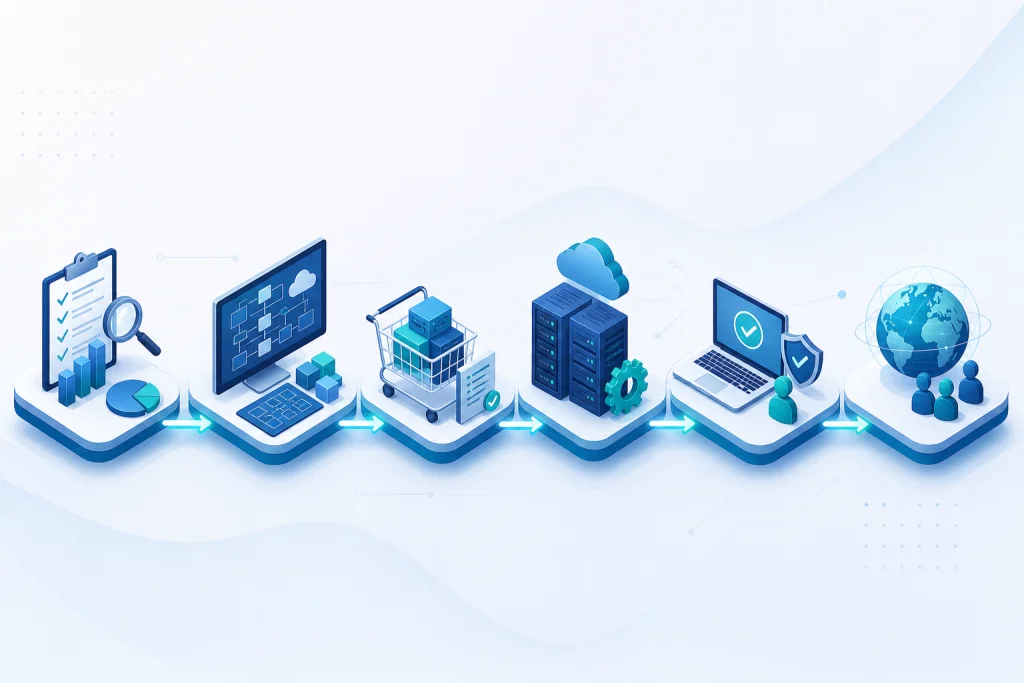
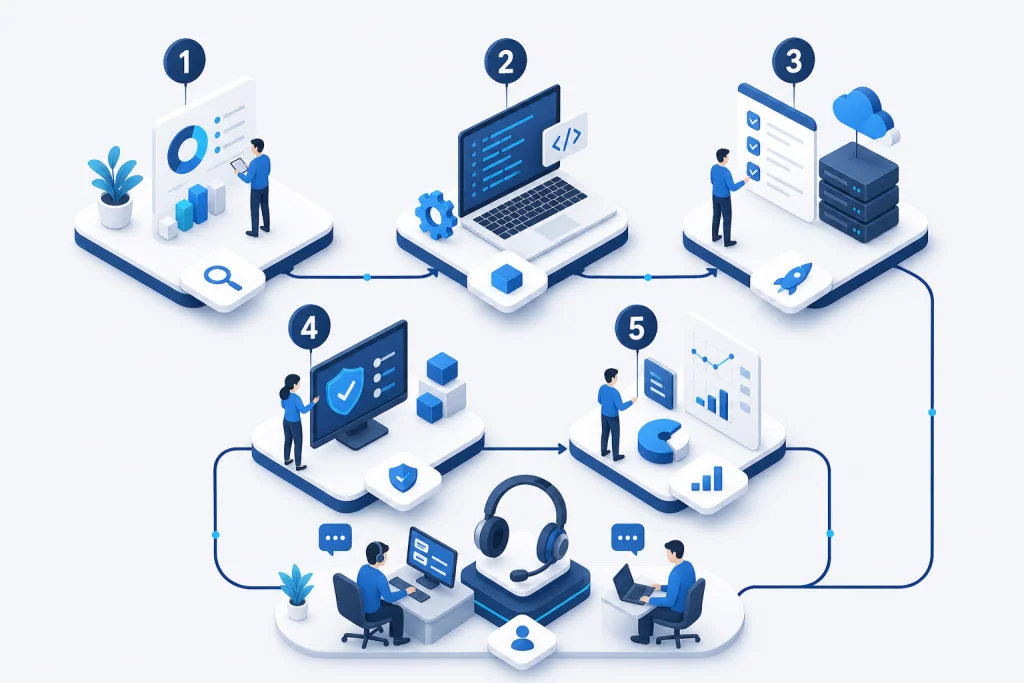
A manufacturing company in Batam faced rapid data growth from IoT sensors and ERP systems. Their legacy DAS setup had 40% utilization and required 8 hours for nightly backups, impacting production. Challenge: 5 TB of data growing 20% annually, with RPO of 1 hour and RTO of 4 hours. Solution: Deployed Lenovo ThinkSystem DM5000H unified storage with NVMe flash and 10GbE iSCSI, integrated with VMware vSphere. Implemented automated tiering and snapshots every 15 minutes. Result: Storage utilization increased to 85%, backup time reduced to 30 minutes, and RTO improved to 1 hour. TCO decreased by 35% over 3 years due to reduced hardware and power costs. The implementation followed a phased methodology: (1) Assessment of current storage inventory and performance metrics, (2) Design of a consolidated architecture with redundancy, (3) Migration using VMware Storage vMotion and native replication, (4) Validation and testing of failover and backup. Post-migration, the company achieved 99.99% uptime and simplified management with a single interface.
Another case: A logistics company in Surabaya needed to consolidate storage for 200+ servers and 50 TB of data. Challenge: High latency for warehouse management system (WMS) and frequent outages. Solution: Deployed Dell PowerScale with all-flash nodes and integrated with Backup & Disaster Recovery using Veeam. Result: Latency reduced by 60%, data throughput increased 3x, and backup window reduced from 6 hours to 45 minutes. The methodology included a pilot migration of non-critical workloads, then full cutover over a weekend. Key success factors were thorough testing and training of IT staff. For enterprises in Indonesia, following a structured methodology ensures minimal disruption and maximum ROI. Intilogy's approach includes post-implementation support and optimization to continuously align storage with business needs.