Barcode Scanner Procurement Architecture
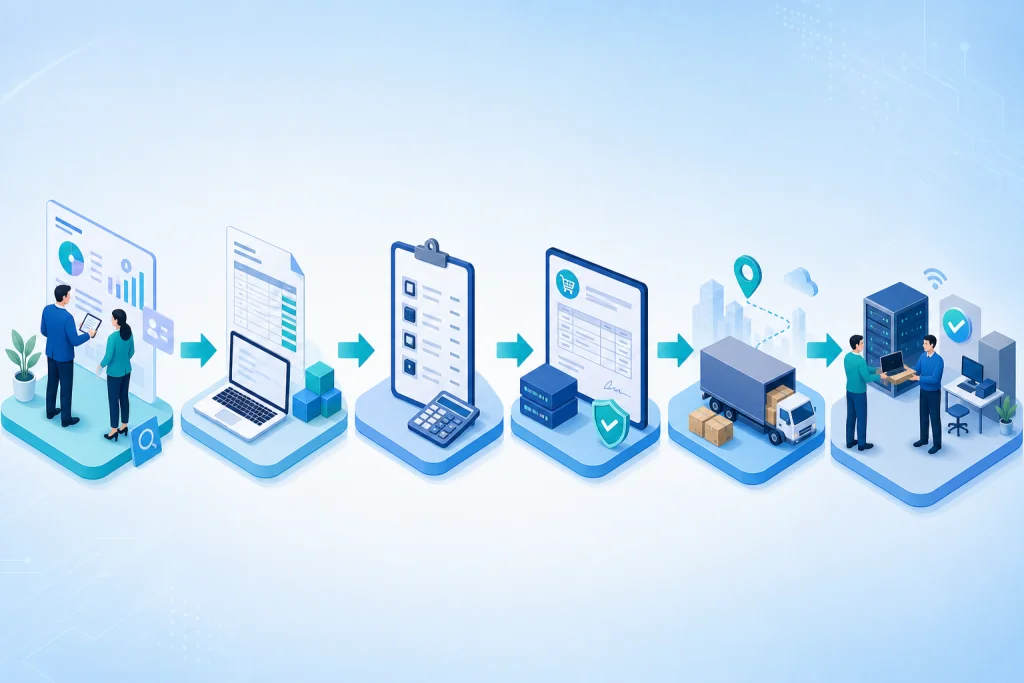
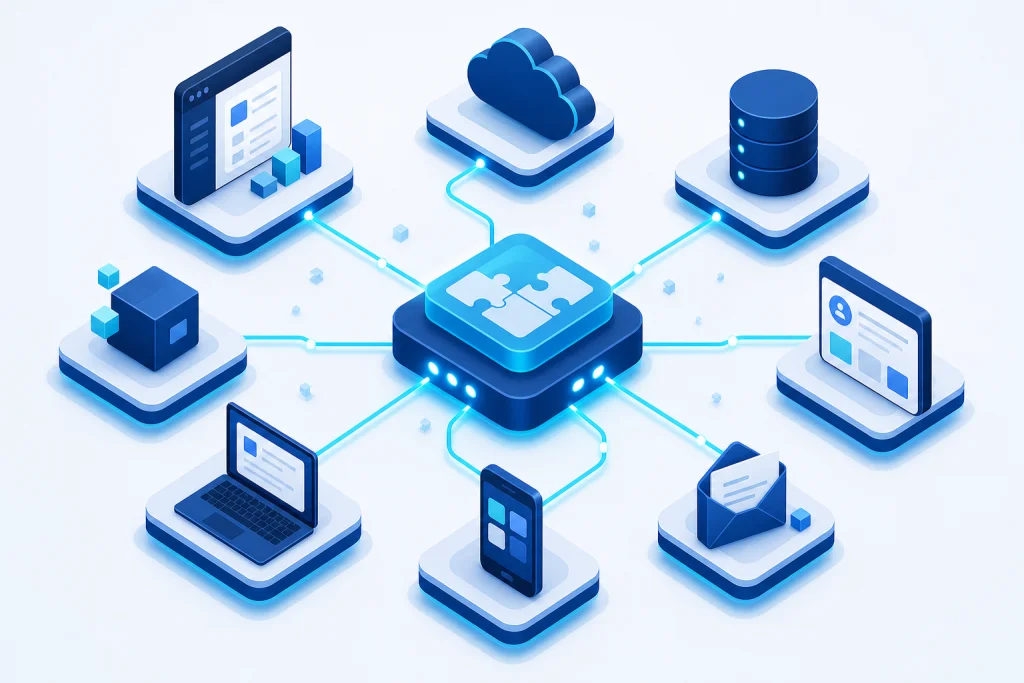
A robust barcode scanner procurement architecture for enterprise begins with a needs assessment: define scanning volume, environment (warehouse, retail, outdoor), and required symbologies. The architecture comprises three tiers: edge devices (scanners), middleware (data capture software), and backend systems (WMS/ERP). Scanners connect via USB, Bluetooth, or Wi-Fi to a local host or directly to cloud services. For high-throughput warehouses, enterprise Wi-Fi ensures uninterrupted data streaming. Rugged scanners with IP65 rating and 2m drop resistance are recommended for industrial use. Middleware like Zebra Scanner SDK or Honeywell EZConfig simplifies integration with existing systems. Backend servers running Windows or Linux process barcode data, often using SQL databases for asset tracking. For scalability, consider cloud-based solutions that sync with hybrid cloud environments. Security is paramount: encrypt data in transit using TLS, and authenticate devices via MAC filtering. A typical architecture for a Jakarta-based logistics firm includes 50 Zebra DS8178 2D imagers connected to a local server running SAP EWM, with data replicated to Azure for analytics.
Key architectural components include scan engines (e.g., Zebra SE4100 for high-speed 1D/2D), communication protocols (Bluetooth 5.0 for low energy), and power management (hot-swappable batteries). For asset tracking, fixed-mount scanners at entry/exit points read pallet tags automatically. Integration with IT infrastructure requires API endpoints for real-time updates. Testing should validate scan rates (up to 700 scans/sec) and decode accuracy (99.9%) under various lighting conditions. A phased rollout—pilot in one warehouse, then scale—minimizes disruption.
Industry Use Cases for Barcode Scanner Procurement
In Indonesia, barcode scanner procurement addresses critical use cases across industries. In logistics and warehousing, scanners expedite inbound/outbound processes: a 3PL provider in Surabaya reduced truck turnaround time by 40% using Honeywell Granit 1980i scanners for bulk pallet scanning. Manufacturing plants in Batam use Datalogic Gryphon scanners for work-in-progress tracking, cutting defects by 25%. Retail chains in Jakarta deploy handheld scanners for inventory audits, achieving 99% stock accuracy. Healthcare—hospitals in Bandung use 2D imagers for patient wristband scanning, reducing medication errors by 60%. Asset tracking in oil & gas firms leverages rugged PDAs with long-range scanning for equipment in remote sites. Each use case demands specific scanner features: for cold storage, scanners must operate at -20°C; for cleanrooms, anti-static models. Integration with backup and disaster recovery ensures data integrity during power outages. A common challenge is barcode damage; 2D imagers with advanced decoding algorithms (e.g., Zebra's PRZM) read even poorly printed codes. The ROI is tangible: a Jakarta-based e-commerce warehouse saved IDR 500 million annually in labor costs after deploying 200 wearable scanners.
Beyond traditional uses, emerging applications include drone-mounted scanners for large inventory counts and voice-directed picking with integrated scanners. For enterprises with multiple sites, centralized device management via SOTI or Wavelink reduces IT overhead. The procurement must consider future scalability, such as supporting RFID in addition to barcodes. Partnering with a system integrator like Intilogy ensures end-to-end deployment, from hardware selection to server integration.
Barcode Scanner Procurement vs Traditional Alternatives
Traditional methods like manual data entry or paper-based tracking are error-prone and slow. Barcode scanners offer 10x faster data capture and near-zero error rates. Compared to RFID, barcode scanning is more cost-effective for item-level tracking, though RFID provides bulk reading. For enterprises in Indonesia, barcode scanners are the de facto choice for high-volume, low-cost operations. Laser scanners are cheaper but limited to 1D codes; 2D imagers decode both 1D and 2D, including mobile phone screens. Rugged scanners outperform consumer-grade devices in durability: an industrial scanner lasts 5+ years vs. 1-2 years for a consumer model. In terms of integration, barcode scanners with USB HID emulation work out-of-the-box with most systems, while traditional alternatives require custom scripts. For asset tracking, barcode labels cost pennies per unit, whereas RFID tags cost $0.10-$0.50 each. However, barcode scanning requires line-of-sight, unlike RFID. For high-speed conveyor belts, fixed-mount scanners with autofocus (e.g., Zebra FS40) match RFID read rates. The choice depends on application: for retail POS, a simple 1D scanner suffices; for warehouse automation, 2D imagers with omni-directional scanning are preferred. Hyperconverged infrastructure can host the middleware for centralized management, reducing latency.
When comparing vendors, Zebra leads in ruggedness and ecosystem, Honeywell in affordability, and Datalogic in niche applications. Traditional alternatives like manual entry have no upfront cost but incur high labor costs. A cost-benefit analysis for a mid-size warehouse shows barcode scanners pay back in 6 months. For enterprises upgrading from legacy systems, barcode scanners offer backward compatibility with existing labels. The procurement should include a pilot to compare scan speeds and user satisfaction. Ultimately, barcode scanners remain the most practical solution for most enterprise use cases in Indonesia due to low cost, reliability, and ease of deployment.
Case Study & Implementation Methodology
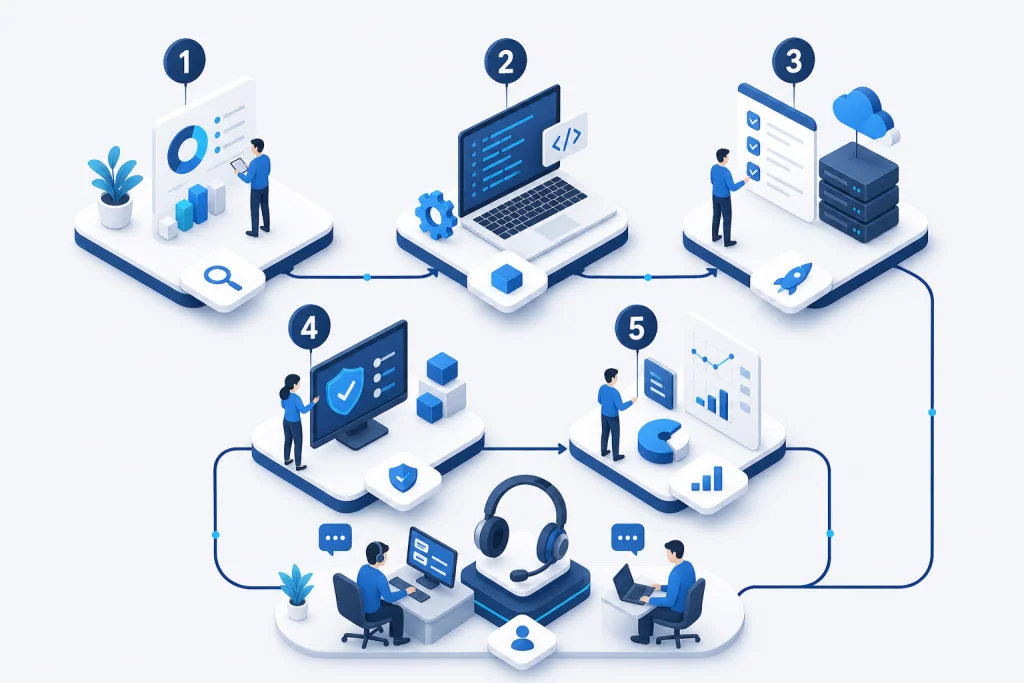
Implementation methodology follows a structured approach: assessment, design, pilot, deployment, and optimization. For a logistics company in Surabaya with 200 workers, the challenge was 15% picking errors and 2-hour inventory cycles. Solution: Deploy 50 Zebra TC52 mobile computers with integrated scanners, connected via Wi-Fi to a local server running SAP EWM. Result: Picking errors dropped to 2%, inventory cycles reduced to 45 minutes, and labor productivity increased by 30%. ROI achieved in 8 months. For a manufacturing plant in Batam with 500 SKUs, challenge: 10% work-in-progress misplacement. Solution: Datalogic PowerScan PD9530 scanners with Bluetooth to a central database. Result: Misplacement reduced to 1%, throughput increased by 20%. For a hospital in Bandung, challenge: 5% medication errors. Solution: Honeyburn Xenon 1900 scanners for patient wristband scanning integrated with HIS. Result: Errors eliminated, nurse efficiency up 25%. Each case involved cybersecurity measures like encrypted data transmission and role-based access. The methodology includes a site survey to assess lighting and scanning distances, followed by a 2-week pilot with 10 scanners. Training sessions cover scanning techniques and device maintenance. Post-deployment, continuous monitoring via a dashboard tracks scan volumes and error rates. For scalability, the solution is designed to support 500+ scanners across multiple sites, with remote firmware updates via a centralized management console. Zebra and Honeywell are preferred vendors due to their local support in Indonesia. The implementation partner (Intilogy) ensures integration with existing IT infrastructure and provides a 24/7 helpdesk.