CAPEX Optimization Architecture
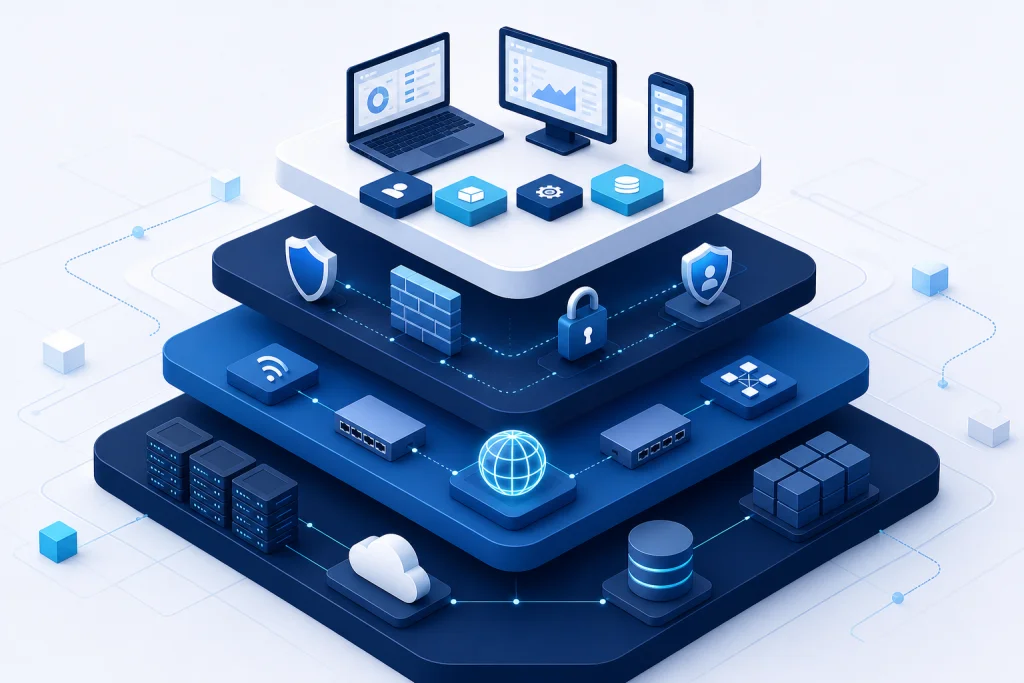
A robust CAPEX optimization architecture integrates hardware consolidation, virtualization, and cloud readiness to minimize upfront investment while maximizing resource utilization. The core components include hyperconverged infrastructure (HCI) from vendors like HCI solutions, which combine compute, storage, and networking into a single appliance. This eliminates the need for separate SAN/NAS arrays and reduces cabling, power, and cooling costs. For example, deploying a three-node HCI cluster can replace multiple legacy servers and storage units, cutting hardware CAPEX by 30-50%.
Virtualization platforms such as VMware vSphere enable server consolidation ratios of 10:1 or higher, reducing the number of physical servers required. This directly lowers hardware procurement costs and data center footprint. Additionally, software-defined storage from Synology or QNAP allows enterprises to repurpose existing storage assets, further deferring new purchases. Network optimization using networking solutions from Cisco or Ruijie ensures efficient traffic flow without over-provisioning. A hybrid cloud strategy, leveraging hybrid cloud architecture, enables burst capacity without permanent hardware investment. By integrating these technologies, enterprises can achieve a lean, scalable infrastructure that aligns CAPEX with actual business growth.
Industry Use Cases for CAPEX Optimization
In the manufacturing sector, CAPEX optimization through HCI and virtualization reduces the cost of production line control systems. For example, a automotive parts manufacturer in Jakarta consolidated 20 physical servers into 3 HCI nodes, saving 60% on hardware costs and reducing downtime by 80%. The use of server and storage solutions from Dell and VMware enabled real-time monitoring without additional investment.
For logistics and warehousing, CAPEX optimization involves deploying enterprise WiFi and enterprise CCTV systems that scale with demand. A logistics company in Surabaya implemented a WiFi 6 network from Ruijie and cloud-managed CCTV, reducing initial hardware spend by 40% while supporting 500+ devices. The use of HCI for backend storage eliminated the need for separate NAS devices.
In the financial services industry, CAPEX optimization is critical for compliance and data security. A bank in Bandung adopted cybersecurity solutions from Fortinet and consolidated its server infrastructure using HP ProLiant servers and VMware. This reduced hardware CAPEX by 35% and improved disaster recovery readiness. The bank also leveraged backup and disaster recovery solutions from Veeam to ensure data protection without additional hardware.
CAPEX Optimization vs Traditional Alternatives
Traditional IT procurement involves purchasing dedicated hardware for each application, leading to over-provisioning and low utilization rates (typically 10-20%). In contrast, CAPEX optimization uses virtualization and HCI to achieve utilization rates of 60-80%, significantly reducing the number of physical servers required. For example, a traditional three-tier architecture for a mid-size enterprise might require 10 servers, 2 storage arrays, and 2 switches, costing $200,000. An HCI-based solution with 4 nodes can handle the same workload for $120,000, a 40% savings.
Another key difference is scalability. Traditional systems require forklift upgrades, incurring high CAPEX at each refresh cycle. CAPEX optimization allows incremental scaling by adding nodes to an HCI cluster, spreading costs over time. Additionally, software-defined solutions from VMware and Microsoft enable pay-as-you-grow models, reducing upfront investment. In terms of operational costs, optimized architectures consume less power and cooling, lowering OPEX by 30-50%. For enterprises in Indonesia, where electricity costs are rising, this is a significant advantage. Finally, IT infrastructure modernization through CAPEX optimization aligns with sustainability goals by reducing e-waste and carbon footprint.
Case Study & Implementation Methodology
Client: Manufacturing Company, Location: Jakarta, Challenge: The company had 25 physical servers running at 15% utilization, with annual hardware maintenance costs of $50,000. They needed to support a new ERP system without increasing data center space. Solution: Intilogy designed a 4-node HCI cluster using Lenovo ThinkAgile and VMware vSAN. All legacy servers were virtualized, and storage was consolidated. Result: Hardware CAPEX reduced by 55% (from $150,000 to $67,500), data center space reduced by 70%, and maintenance costs dropped to $15,000/year. ERP deployment time decreased from 6 months to 2 months.
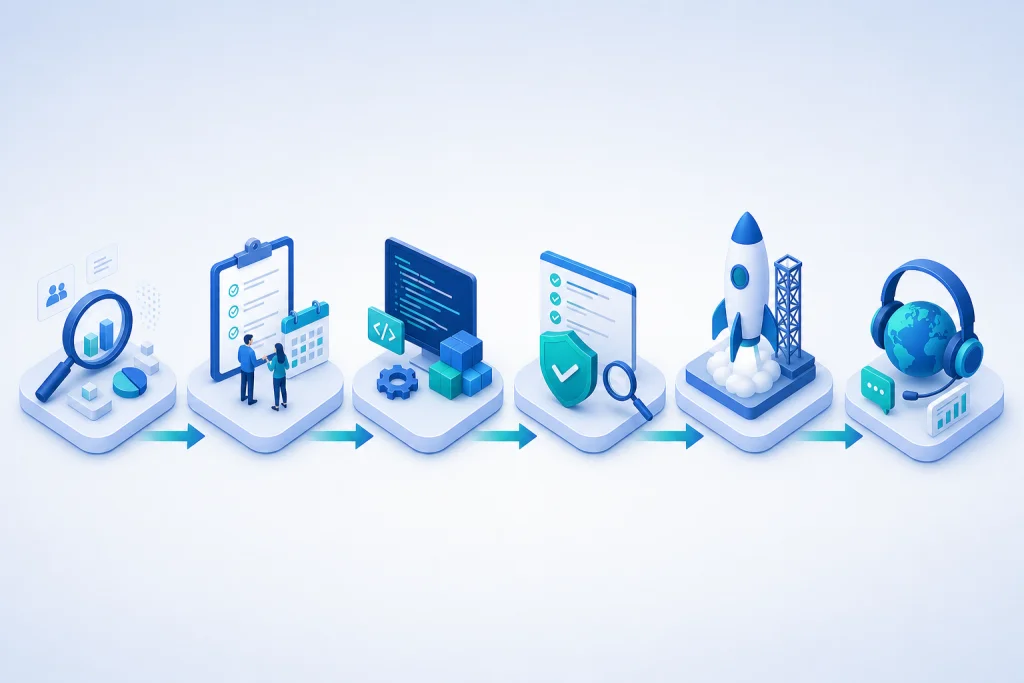
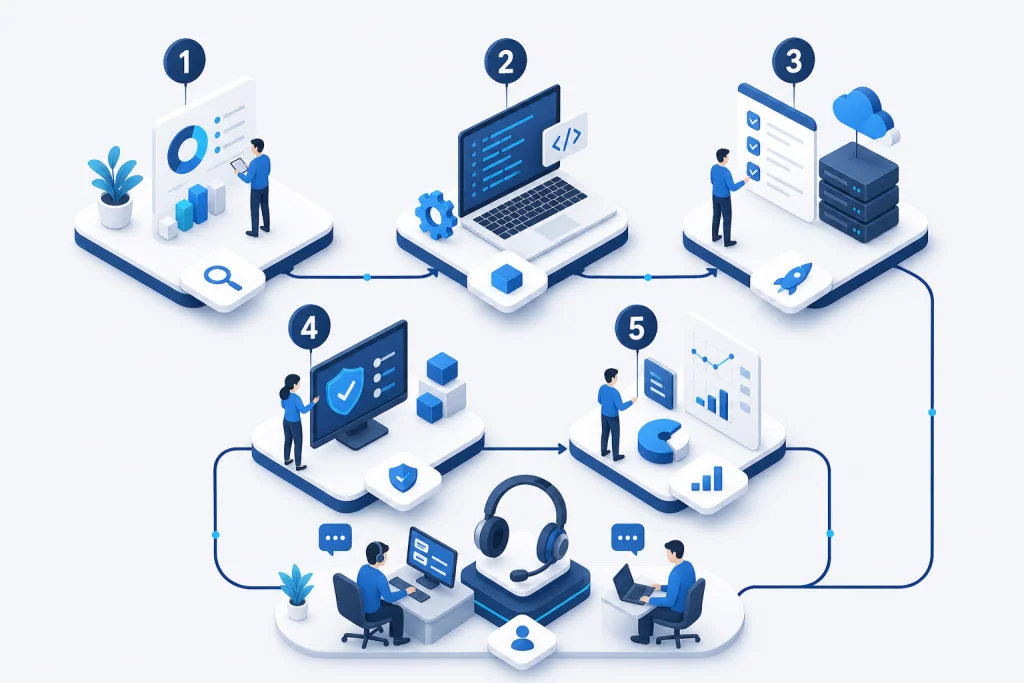
Implementation methodology follows a phased approach: Phase 1 - Assessment: Analyze current infrastructure, utilization rates, and business requirements. Use tools like VMware Aria to identify consolidation opportunities. Phase 2 - Design: Create a target architecture using HCI, virtualization, and hybrid cloud. Select vendors based on TCO analysis. Phase 3 - Migration: Use live migration tools to move workloads with zero downtime. Phase 4 - Optimization: Continuously monitor performance and adjust resource allocation. This methodology ensures minimal disruption and maximum ROI. For enterprises in Indonesia, Intilogy also provides training and support to ensure long-term success.