IT Budget Planning Architecture
The architecture of IT budget planning for enterprises in Indonesia is a multi-layered framework that integrates financial governance with technology lifecycle management. At its core, the architecture comprises three tiers: strategic alignment, operational execution, and financial control. Strategic alignment involves mapping IT initiatives to business goals, such as expanding e-commerce capabilities or enhancing supply chain visibility. This requires input from C-level executives and department heads to prioritize projects like IT infrastructure upgrades or cybersecurity enhancements. The operational execution tier translates strategies into actionable budgets, including hardware procurement from vendors like QNAP and Synology for storage, Ruijie for networking, and Veeam for backup solutions. Financial control mechanisms, such as zero-based budgeting and rolling forecasts, ensure that expenditures are justified and adjusted in real-time. A critical component is the inclusion of a 10-15% contingency fund for unforeseen events like ransomware attacks or hardware failures. Additionally, the architecture leverages TCO models that factor in energy costs, maintenance, and end-of-life disposal. For Indonesian enterprises, local tax incentives and import duties must be considered, especially for data center investments. By adopting a modular architecture, companies can scale budgets dynamically, supporting initiatives like hybrid cloud adoption or server and storage consolidation. This structured approach minimizes financial risk and maximizes technology ROI.
A robust IT budget planning architecture also incorporates governance frameworks such as COBIT and ITIL, which provide best practices for aligning IT with business needs. In Indonesia, where regulatory compliance with UU ITE and PDP Law is mandatory, budgeting for audit readiness and data protection is non-negotiable. The architecture includes cost centers for compliance tools, training, and legal consultations. Furthermore, it leverages data analytics to track spending patterns and identify cost-saving opportunities, such as migrating from on-premise server and storage to hyperconverged infrastructure. By integrating vendor management portals and procurement automation, enterprises can streamline approvals and reduce administrative overhead. The architecture also supports scenario planning, allowing businesses to model different budget scenarios based on growth rates, currency fluctuations, or technology disruptions. Ultimately, a well-designed IT budget planning architecture empowers Indonesian enterprises to make informed decisions, optimize resource allocation, and achieve sustainable digital transformation.
Industry Use Cases for IT Budget Planning
IT budget planning is critical across various industries in Indonesia, each with unique requirements. In the manufacturing sector, companies like automotive parts producers in Bekasi use IT budget planning to allocate funds for enterprise WiFi and IoT sensors, enabling real-time production monitoring. A typical budget might allocate 30% for networking infrastructure, 40% for automation software, and 20% for cybersecurity, with 10% contingency. The result is a 15% reduction in downtime and 20% increase in operational efficiency. In the healthcare industry, hospitals in Jakarta prioritize budget for backup and disaster recovery to protect patient records. Budgets often include 25% for storage solutions from Synology or QNAP, 35% for network security from Fortinet, and 40% for compliance and training. This planning has helped achieve 99.9% data availability and reduced breach risks by 50%.
For the financial services industry, banks in Surabaya use IT budget planning to fund hybrid cloud migration and core banking system upgrades. A typical budget breakdown includes 20% for cloud services, 30% for server and storage from Dell or HP, 25% for cybersecurity solutions, and 25% for application modernization. This approach has enabled 40% faster transaction processing and 30% lower operational costs. In the retail sector, e-commerce companies in Bandung allocate budgets for networking and enterprise WiFi to support omnichannel experiences. Budgets typically include 35% for network infrastructure, 30% for cloud-based POS systems, and 35% for data analytics platforms. The result is a 25% increase in online sales and improved customer satisfaction. These use cases demonstrate how tailored IT budget planning drives measurable business outcomes across Indonesian industries.
IT Budget Planning vs Traditional Alternatives
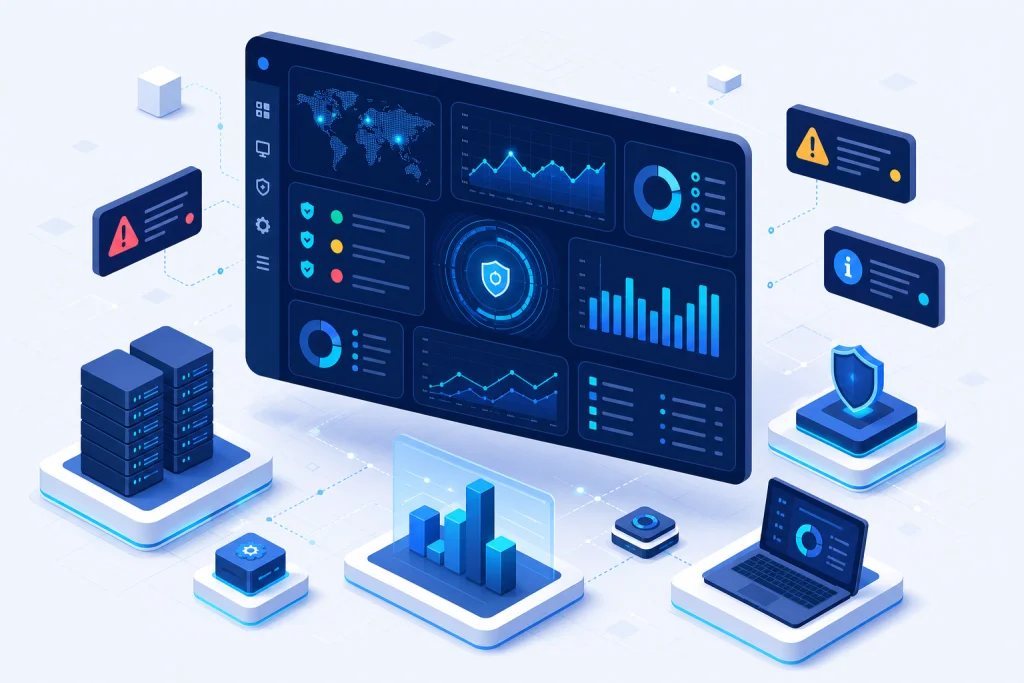
Traditional IT budget planning often relies on historical spending and ad-hoc requests, leading to inefficiencies and misaligned investments. In contrast, modern IT budget planning employs data-driven methodologies like zero-based budgeting (ZBB) and activity-based costing (ABC). ZBB requires every expense to be justified from scratch, eliminating legacy costs that no longer add value. For example, instead of automatically renewing software licenses, enterprises evaluate alternatives such as open-source or hybrid cloud solutions. ABC ties costs to specific business activities, revealing the true cost of services like backup and disaster recovery or cybersecurity monitoring. Traditional methods often overlook hidden costs such as energy consumption, training, and downtime, whereas modern planning incorporates TCO and ROI analysis. Additionally, traditional planning is static, with annual budgets that quickly become obsolete. Modern planning uses rolling forecasts and real-time dashboards to adjust allocations dynamically, responding to market changes or technology disruptions.
Another key difference is vendor management. Traditional approaches may favor single-vendor lock-in, while modern planning encourages multi-vendor strategies to optimize cost and performance. For instance, combining Cisco networking with Fortinet security and VMware virtualization can reduce costs by 20% compared to a single-vendor solution. Furthermore, modern IT budget planning integrates with IT service management (ITSM) tools to track asset utilization and lifecycle, preventing premature replacements. In Indonesia, where currency volatility is a concern, modern planning includes hedging strategies and local sourcing from vendors like Ruijie to mitigate exchange rate risks. Ultimately, the shift from traditional to modern IT budget planning enables enterprises to achieve greater agility, cost transparency, and alignment with business goals, driving competitive advantage in the digital economy.
Case Study & Implementation Methodology
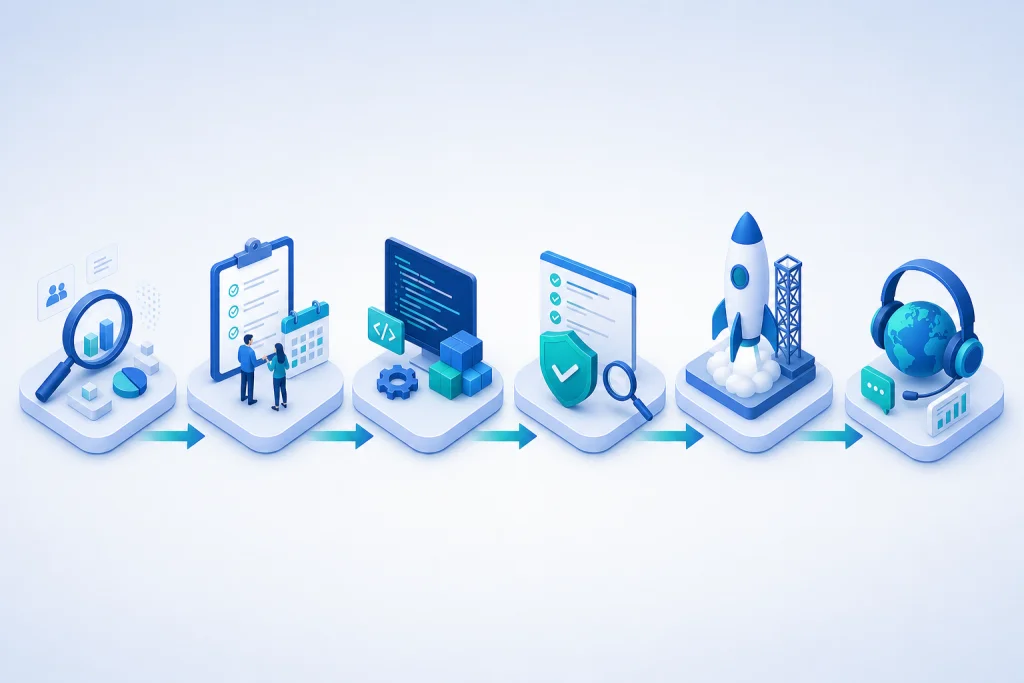
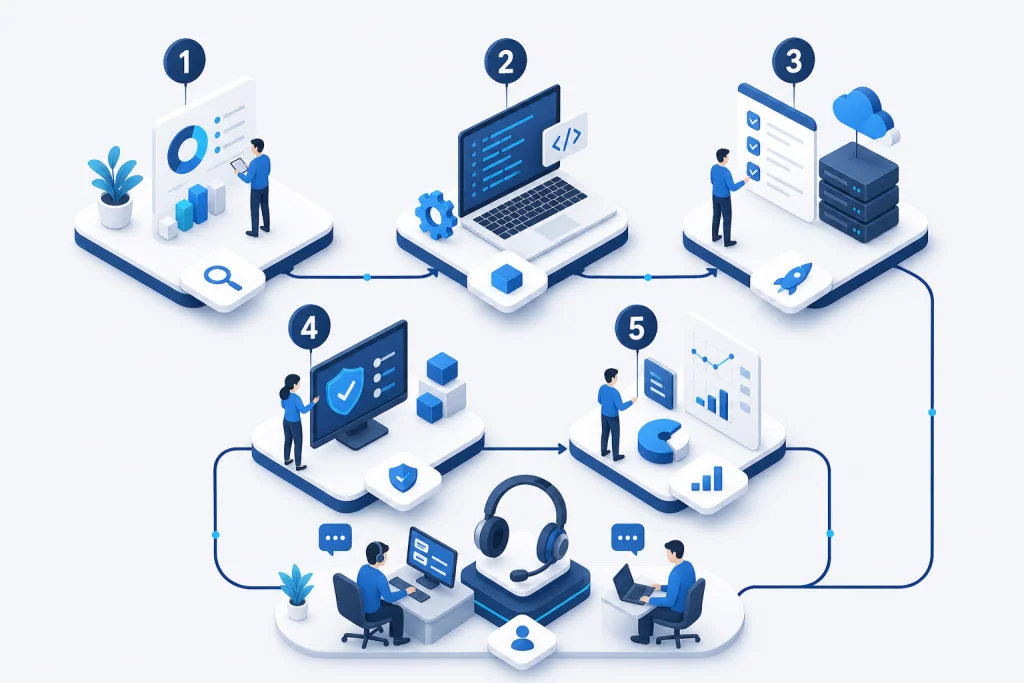
A manufacturing company in Surabaya faced a 30% IT budget overrun due to unplanned hardware failures and lack of lifecycle management. Challenge: Aging servers caused 15% downtime, and ad-hoc procurement inflated costs by 25%. Solution: Intilogy implemented a structured IT budget planning framework using TCO analysis and vendor consolidation. The methodology included: (1) Asset audit and criticality assessment, (2) Budget allocation based on business impact, (3) Adoption of hyperconverged infrastructure from Lenovo and VMware, (4) Implementation of backup and disaster recovery with Veeam and Synology, and (5) Real-time budget tracking with dashboards. Result: 40% reduction in unplanned downtime, 20% lower TCO over 3 years, and 15% increase in IT ROI. The project was completed within 6 months, and the budget variance was reduced to under 5%.
A retail chain in Jakarta with 50 stores struggled with inconsistent IT spending across locations. Challenge: Each store had separate budgets for networking and enterprise WiFi, leading to 35% cost duplication. Solution: Intilogy centralized IT budget planning using a zero-based budgeting approach. The methodology involved: (1) Standardizing hardware procurement with HP and Dell, (2) Consolidating network infrastructure with Cisco and Ruijie, (3) Implementing a cloud-based POS system via hybrid cloud, and (4) Training store managers on budget adherence. Result: 30% reduction in IT costs, 50% faster deployment of new stores, and 20% improvement in network reliability. The centralized budget model also improved forecasting accuracy by 25%.