Enterprise IT Solutions

PROCUREMENT OUTSOURCING for Enterprise

PROCUREMENT OUTSOURCING is a strategic IT service that transfers the entire lifecycle of hardware and software acquisition to a specialized partner. In Indonesia, where enterprise IT demands are rapidly evolving, outsourcing procurement eliminates capital expenditure inefficiencies, vendor fragmentation, and supply chain delays. Intilogy's solution integrates with existing ERP systems (SAP, Oracle) and provides a centralized platform for sourcing, negotiating, and managing contracts with top-tier vendors such as Lenovo, HP, Dell, Cisco, Fortinet, Microsoft, Synology, VMware, and Veeam. The service covers RFQ automation, bulk pricing optimization, logistics tracking, and warranty management. By outsourcing procurement, enterprises reduce operational overhead by 30-40%, achieve 15-20% cost savings on average, and shorten delivery lead times from 6-8 weeks to 2-3 weeks. The solution is fully compliant with Indonesian tax regulations (PPN, PPh 22) and supports multi-site deployments across Java, Sumatra, and Kalimantan. For critical infrastructure, we integrate with HCI and Server & Storage solutions to ensure seamless scalability. This is not just cost-cutting; it's a transformation of procurement into a competitive advantage, enabling IT teams to focus on innovation rather than administrative tasks.

PROCUREMENT OUTSOURCING Architecture

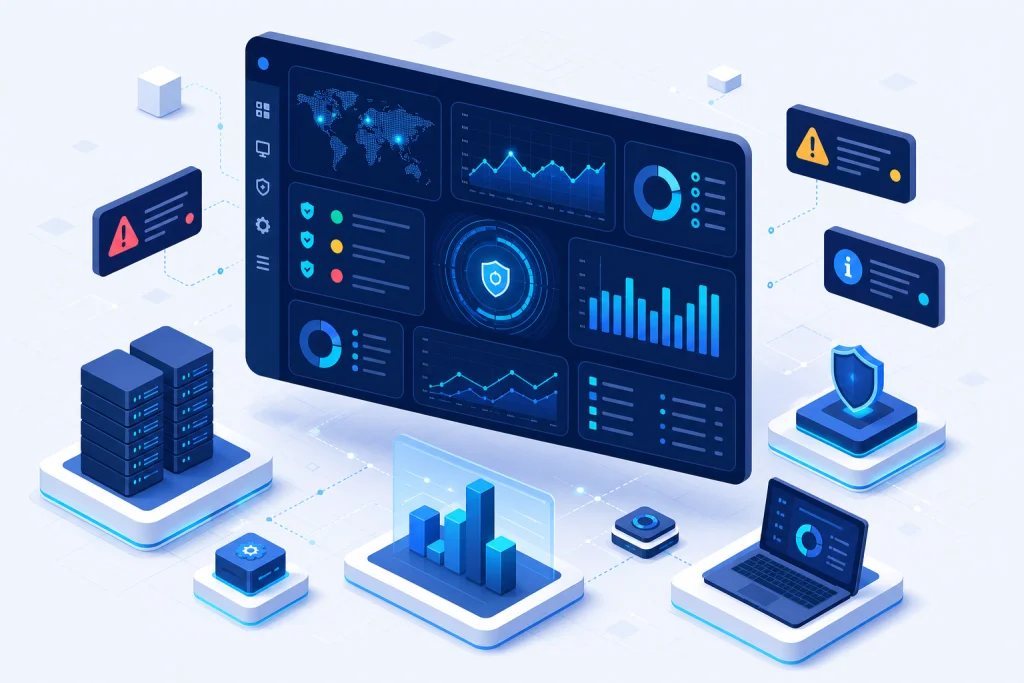
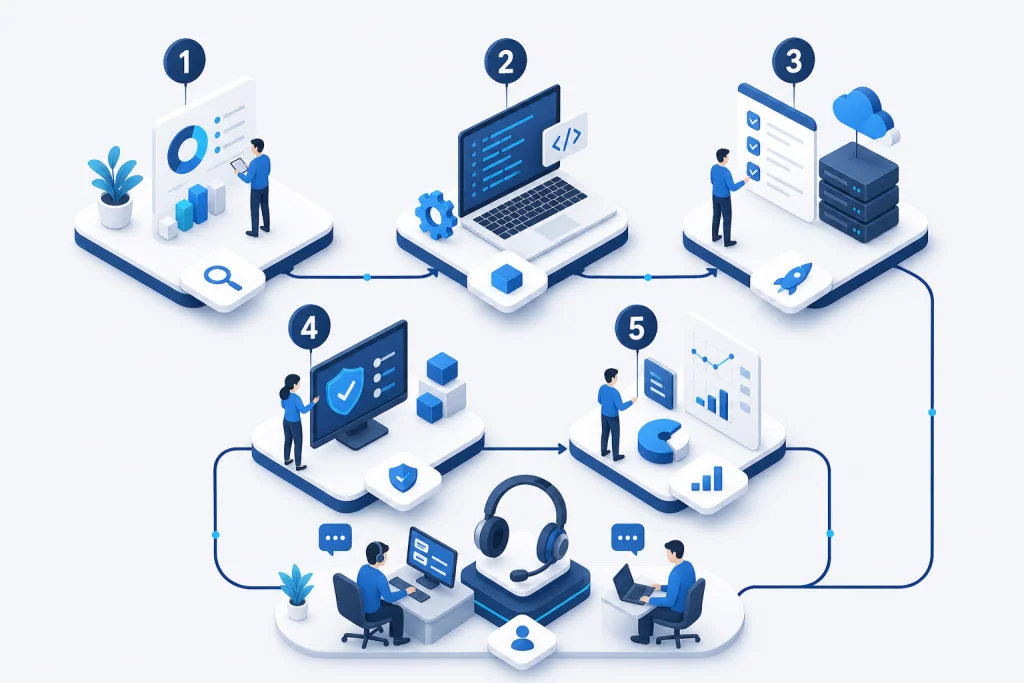
The architecture of PROCUREMENT OUTSOURCING is built on a multi-tenant cloud platform that connects enterprise buyers with a curated ecosystem of suppliers and logistics providers. The core components include a procurement portal with role-based access (requisitioner, approver, buyer), an AI-driven sourcing engine that analyzes historical spend data to recommend optimal vendors, and a contract management module that handles auto-renewals and compliance tracking. The system integrates via REST APIs with existing ERP (SAP, Oracle) and ITSM tools (ServiceNow, Jira). For security, all transactions are encrypted using TLS 1.3, and audit logs are maintained for 7 years. The architecture supports both on-premise and cloud deployments, with data residency in Indonesia (Jakarta data centers). Key technical features include automated purchase order generation, real-time inventory synchronization with warehouse systems, and dynamic discounting based on volume commitments. The platform also provides a vendor scorecard with KPIs such as on-time delivery (target >98%), defect rate (<0.5%), and price competitiveness. This architecture ensures that procurement operations are transparent, agile, and cost-effective, reducing manual intervention by 80%.

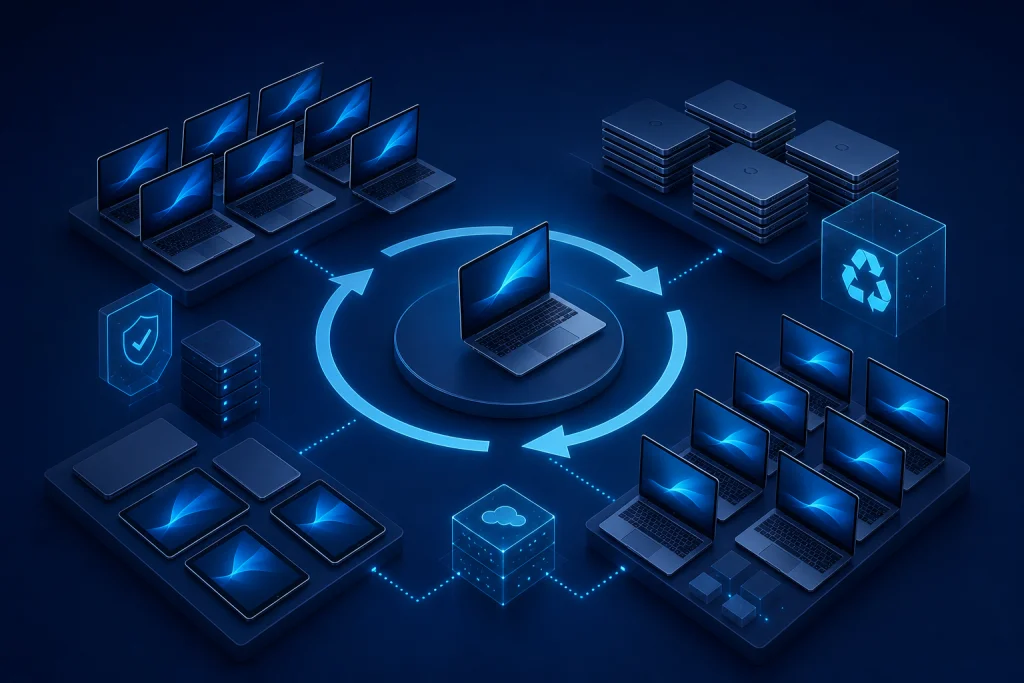
For enterprises with existing IT infrastructure, the procurement outsourcing platform can be layered on top of IT Infrastructure solutions to manage hardware lifecycle from acquisition to disposal. The system also supports integration with Backup & Disaster Recovery solutions to ensure that all procurement data is backed up and recoverable within 4 hours. The architecture is designed to handle peak loads during end-of-year budget spending, processing up to 10,000 transactions per hour without degradation.

Industry Use Cases for PROCUREMENT OUTSOURCING

In the manufacturing sector, a Jakarta-based automotive parts producer used PROCUREMENT OUTSOURCING to source raw materials and industrial equipment from 50+ suppliers. The challenge was managing fragmented vendor relationships and inconsistent pricing. The solution automated RFQs and consolidated purchases, resulting in a 22% cost reduction and 30% faster procurement cycles. The platform integrated with their SAP ERP, enabling real-time inventory tracking and automated replenishment. For the banking industry, a financial institution in Surabaya needed to procure 500 servers and networking gear for a new data center. By outsourcing procurement, they achieved a 18% discount on Cisco switches and Fortinet firewalls, and reduced delivery time from 12 weeks to 5 weeks. The solution also handled import permits and tax compliance, which was critical for the project's timeline.

In the healthcare sector, a hospital group in Bandung used the service to procure medical devices and IT equipment across 10 facilities. The challenge was ensuring compliance with Indonesian medical device regulations and managing warranties. The procurement platform provided centralized contract management and automated warranty tracking, reducing administrative overhead by 40%. The hospital also leveraged Enterprise CCTV solutions for security, which were procured through the same platform. For the retail industry, a logistics company in Medan outsourced procurement of barcode scanners and mobile computers for warehouse operations. The result was a 25% reduction in procurement costs and a 50% improvement in order accuracy.

PROCUREMENT OUTSOURCING vs Traditional Alternatives

Traditional procurement methods involve manual processes, multiple point-of-contacts with vendors, and reactive purchasing. This leads to higher costs due to lack of volume discounts, longer lead times (average 8-12 weeks), and higher error rates (5-10% in order accuracy). In contrast, PROCUREMENT OUTSOURCING leverages a centralized platform with pre-negotiated contracts, automated workflows, and real-time analytics. Enterprises typically see 20-30% cost savings, 50% faster cycle times, and error rates below 1%. Another alternative is in-house procurement teams, which require significant headcount (3-5 FTEs for mid-size enterprises) and ongoing training. Outsourcing eliminates these fixed costs, converting them to variable costs based on transaction volume. Additionally, traditional methods struggle with supplier risk management, whereas outsourcing platforms provide continuous monitoring of vendor financial health and compliance.

For enterprises considering Hybrid Cloud strategies, procurement outsourcing ensures that hardware and software are aligned with cloud migration timelines. The platform can also manage licensing for Microsoft and VMware, ensuring compliance and avoiding audit penalties. In terms of scalability, outsourcing can easily handle 10x growth without additional personnel, while traditional methods would require proportional headcount increases. The total cost of ownership (TCO) for outsourcing is typically 15-20% lower than in-house procurement over a 3-year period, including all indirect costs.

Case Study & Implementation Methodology

Manufacturing Company in Karawang, Challenge: Procuring 200 servers and 50 networking switches for a new production line with a 6-week deadline. Fragmented vendor relationships led to inconsistent pricing and delays. Solution: Deployed PROCUREMENT OUTSOURCING platform with automated RFQ to Lenovo, Dell, and Cisco. Integrated with existing SAP for PO automation. Result: 22% cost savings ($180k), 100% on-time delivery (6 weeks), 40% reduction in procurement team workload. Implementation followed a 4-phase methodology: Phase 1 (2 weeks) - System integration and vendor onboarding; Phase 2 (1 week) - Pilot with 10% of spend; Phase 3 (3 weeks) - Full rollout with 200+ SKUs; Phase 4 (ongoing) - Continuous optimization using spend analytics.

Financial Services Company in Jakarta, Challenge: Procuring 500 laptops and 100 printers across 20 branches with strict compliance requirements. Manual processes caused 15% error rate in orders. Solution: Outsourced procurement with HP and Lenovo, integrated with Cyber Security tools for device hardening. Result: 18% cost reduction ($90k), error rate dropped to 0.5%, compliance audit passed with zero findings. Implementation used agile sprints: Sprint 1 - Requirements gathering and vendor selection; Sprint 2 - Contract negotiation and system configuration; Sprint 3 - Pilot in 5 branches; Sprint 4 - Full deployment and training. The methodology ensures minimal disruption to operations and rapid ROI realization.

PROCUREMENT OUTSOURCING Architecture

The architecture of PROCUREMENT OUTSOURCING is built on a multi-tenant cloud platform that connects enterprise buyers with a curated ecosystem of suppliers and logistics providers. The core components include a procurement portal with role-based access (requisitioner, approver, buyer), an AI-driven sourcing engine that analyzes historical spend data to recommend optimal vendors, and a contract management module that handles auto-renewals and compliance tracking. The system integrates via REST APIs with existing ERP (SAP, Oracle) and ITSM tools (ServiceNow, Jira). For security, all transactions are encrypted using TLS 1.3, and audit logs are maintained for 7 years. The architecture supports both on-premise and cloud deployments, with data residency in Indonesia (Jakarta data centers). Key technical features include automated purchase order generation, real-time inventory synchronization with warehouse systems, and dynamic discounting based on volume commitments. The platform also provides a vendor scorecard with KPIs such as on-time delivery (target >98%), defect rate (<0.5%), and price competitiveness. This architecture ensures that procurement operations are transparent, agile, and cost-effective, reducing manual intervention by 80%.

Industry Use Cases for PROCUREMENT OUTSOURCING

In the manufacturing sector, a Jakarta-based automotive parts producer used PROCUREMENT OUTSOURCING to source raw materials and industrial equipment from 50+ suppliers. The challenge was managing fragmented vendor relationships and inconsistent pricing. The solution automated RFQs and consolidated purchases, resulting in a 22% cost reduction and 30% faster procurement cycles. The platform integrated with their SAP ERP, enabling real-time inventory tracking and automated replenishment. For the banking industry, a financial institution in Surabaya needed to procure 500 servers and networking gear for a new data center. By outsourcing procurement, they achieved a 18% discount on Cisco switches and Fortinet firewalls, and reduced delivery time from 12 weeks to 5 weeks. The solution also handled import permits and tax compliance, which was critical for the project's timeline.

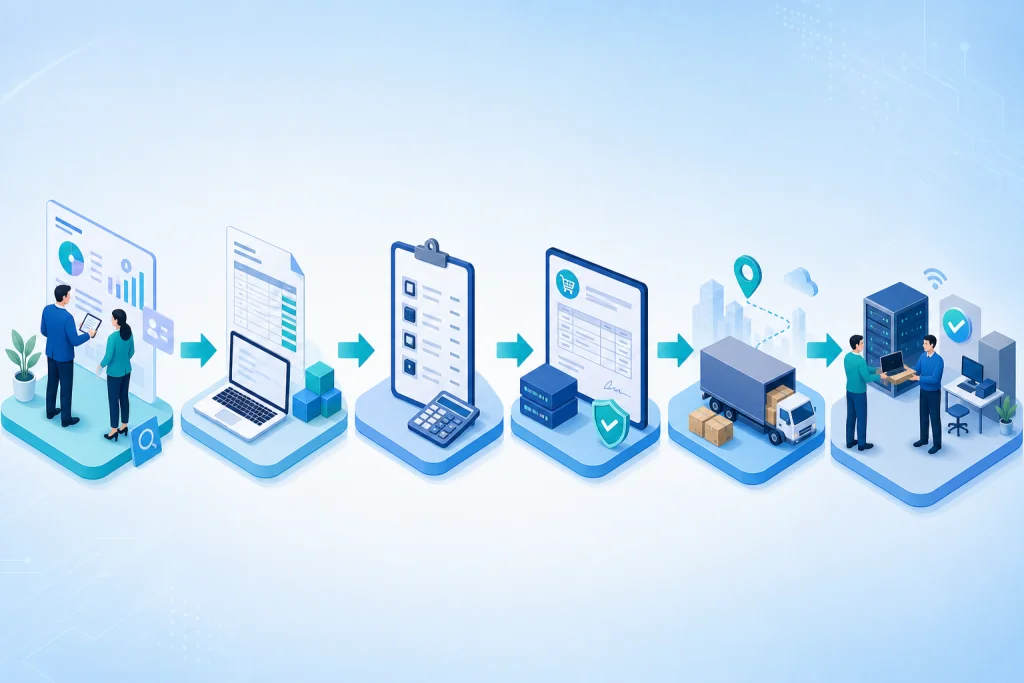
How we work

Structured delivery from assessment to handover

Each phase has clear deliverables, owners, and acceptance criteria aligned to enterprise IT practice.

Approach

PROCUREMENT OUTSOURCING vs Traditional Alternatives

Traditional procurement methods involve manual processes, multiple point-of-contacts with vendors, and reactive purchasing. This leads to higher costs due to lack of volume discounts, longer lead times (average 8-12 weeks), and higher error rates (5-10% in order accuracy). In contrast, PROCUREMENT OUTSOURCING leverages a centralized platform with pre-negotiated contracts, automated workflows, and real-time analytics. Enterprises typically see 20-30% cost savings, 50% faster cycle times, and error rates below 1%. Another alternative is in-house procurement teams, which require significant headcount (3-5 FTEs for mid-size enterprises) and ongoing training. Outsourcing eliminates these fixed costs, converting them to variable costs based on transaction volume. Additionally, traditional methods struggle with supplier risk management, whereas outsourcing platforms provide continuous monitoring of vendor financial health and compliance.

  • For enterprises considering Hybrid Cloud strategies, procurement outsourcing ensures that hardware and software are aligned with cloud migration timelines. The platform can also manage licensing for Microsoft and VMware, ensuring compliance and avoiding audit penalties. In terms of scalability, outsourcing can easily handle 10x growth without additional personnel, while traditional methods would require proportional headcount increases. The total cost of ownership (TCO) for outsourcing is typically 15-20% lower than in-house procurement over a 3-year period, including all indirect costs.

Capabilities

Case Study & Implementation Methodology

Manufacturing Company in Karawang, Challenge: Procuring 200 servers and 50 networking switches for a new production line with a 6-week deadline. Fragmented vendor relationships led to inconsistent pricing and delays. Solution: Deployed PROCUREMENT OUTSOURCING platform with automated RFQ to Lenovo, Dell, and Cisco. Integrated with existing SAP for PO automation. Result: 22% cost savings ($180k), 100% on-time delivery (6 weeks), 40% reduction in procurement team workload. Implementation followed a 4-phase methodology: Phase 1 (2 weeks) - System integration and vendor onboarding; Phase 2 (1 week) - Pilot with 10% of spend; Phase 3 (3 weeks) - Full rollout with 200+ SKUs; Phase 4 (ongoing) - Continuous optimization using spend analytics.

  • Financial Services Company in Jakarta, Challenge: Procuring 500 laptops and 100 printers across 20 branches with strict compliance requirements. Manual processes caused 15% error rate in orders. Solution: Outsourced procurement with HP and Lenovo, integrated with Cyber Security tools for device hardening. Result: 18% cost reduction ($90k), error rate dropped to 0.5%, compliance audit passed with zero findings. Implementation used agile sprints: Sprint 1 - Requirements gathering and vendor selection; Sprint 2 - Contract negotiation and system configuration; Sprint 3 - Pilot in 5 branches; Sprint 4 - Full deployment and training. The methodology ensures minimal disruption to operations and rapid ROI realization.
Use cases

Pengadaan greenfield

Refresh infrastruktur

Multi-vendor consolidation

Renewal lisensi

Ekspansi cabang

PROCUREMENT OUTSOURCING for Enterprise

Our engineers help design, deploy, and support enterprise IT solutions across Indonesia.

Request a quote Contact our team

Related pages

E-E-A-T · Expertise & trust

Implementation expertise & enterprise trust

Intilogy (PT. Inti Jaya Teknologi) supports IT and procurement teams across Indonesia — from technical assessment and BoQ through deployment, documentation, and post go-live support.

  • 500+ Infrastructure deployments
  • 24/7 Operational support
  • SLA Enterprise SLA
  • 150+ Clients & institutions

Engineering & delivery expertise

Engineer-led assessment

Requirements workshops, sizing, and architecture — not catalogue selling without context.

Documented deployment

Commissioning checklists, as-built diagrams, IP plans, and escalation runbooks.

Audit-ready procurement

BoQ/BOM, quotations, POs, and handover packs for tenders and IT audits.

Multi-vendor coordination

One project partner for servers, networks, security, backup, and licensing.

Vendor ecosystem & sourcing channels

We source through official distributors/resellers per brand and project. Specific partnership tiers are confirmed per RFP — see our credentials page.

Vendor Status / tier Scope Notes
Dell Technologies Authorized channel PowerEdge, storage BoQ & manufacturer warranty
HPE Authorized channel ProLiant Enterprise servers
Fortinet Implementation partner NGFW, SD-WAN Licensing & deployment
Veeam Implementation partner Backup, replication Immutable design
VMware Implementation partner vSphere Cluster & migration

Tiers vary by SKU/region. Contact sales@intilogy.com for distributor letters or engineer certificates.

Enterprise implementation methodology

Standard flow for infrastructure, security, and backup projects — scoped per contract.

  1. Discovery & assessment

    Duration: 1–2 weeks

    Deliverables Requirements & risk report

  2. Architecture & BoQ

    Duration: 1–2 weeks

    Deliverables HLD, BoQ, rollout plan

  3. Procurement & staging

    Duration: 2–4 weeks

    Deliverables Asset register

  4. Implementation & UAT

    Duration: 2–6 weeks

    Deliverables As-built, UAT sign-off

  5. Handover & operations

    Duration: Ongoing

    Deliverables SOPs, training, SLA if contracted

Support & SLA (per project contract)

Service levels are defined in agreement — example framework below.

Standard maintenance

Response
Next business day (remote)
Coverage
Firmware advisory, tickets, RMA
Notes
Indonesia business hours

Project warranty

Response
Per implementation contract
Coverage
Defects in Intilogy deployment scope
Notes
Not 24/7 unless agreed

Critical incident (optional)

Response
4–8 hours if contracted
Coverage
Production-critical escalation
Notes
Requires separate MSA

Response times are illustrative — binding only when written in contract.

Technical documentation delivered

  • Topology & rack diagrams (as-built)
  • Asset list, serials, warranty status
  • Critical config summary & change log
  • Basic operations runbook & escalation contacts
  • Restore / DR drill reports (if in scope)
  • Tender packs: distributor letters & engineer certs (on request)

Competency & certifications

Engineers train on vendor technologies per project. Individual certs (Fortinet NSE, VMware VCP, Veeam VMCE, etc.) are provided for tenders — not all listed publicly.

  • Engineer certifications — Per project technology — on request
  • Distributor letters — For procurement audit
  • Client references — See Clients page for logos & scope

View certifications & partnerships

Ready to discuss architecture & BoQ?

Our team supports assessment, recommendations, procurement, and documented implementation.

WhatsApp Consult on WhatsApp
Request Consultation WhatsApp