Software Licensing Architecture
Enterprise software licensing architecture encompasses the structure of agreements, deployment rights, and compliance frameworks. Key models include per-core, per-user, and per-device licensing. For instance, Microsoft's Server and Cloud Enrollment (SCE) allows unlimited virtualization rights on licensed cores, while VMware's vSphere licensing is based on CPU sockets and core counts. Understanding these nuances is crucial for enterprises in Indonesia to avoid over-licensing or under-licensing. IT Infrastructure decisions, such as whether to use on-premises or cloud, directly affect licensing costs. For example, moving workloads to Azure can reduce on-premises license needs but requires careful management of hybrid benefits.
A robust licensing architecture also includes tools for asset management, such as Microsoft's Software Asset Management (SAM) or third-party solutions like Flexera. These tools track license usage, alert on compliance risks, and optimize renewals. In Indonesia, where software audits are becoming more frequent, implementing a SAM solution is a proactive measure. Intilogy recommends integrating licensing management with Backup & Disaster Recovery solutions to ensure that disaster recovery instances are properly licensed, avoiding unexpected costs during failover.
Industry Use Cases for Software Licensing
In the manufacturing sector, enterprises in Indonesia use software licensing to manage CAD/CAM tools like AutoCAD and SolidWorks. Per-seat licensing ensures that only active users consume licenses, reducing waste. For example, a manufacturing company in Batam with 500 engineers can save up to 30% by switching from named-user to concurrent licensing. Similarly, in the financial services industry, strict compliance requirements demand accurate licensing of database software like Microsoft SQL Server. Per-core licensing for high-availability clusters can be optimized by using core-based licensing with Software Assurance for failover rights.
Healthcare providers in Jakarta rely on electronic medical record (EMR) systems that require per-user licensing for clinicians and per-device for workstations. Proper licensing ensures HIPAA-like compliance and avoids audit penalties. Retail chains with multiple branches benefit from volume licensing agreements that cover point-of-sale systems and back-office servers. Intilogy has helped a retail company in Surabaya reduce licensing costs by 25% through a true-up after consolidating servers. Server & Storage consolidation often leads to significant licensing savings.
Software Licensing vs Traditional Alternatives
Traditional perpetual licensing involves a one-time purchase with annual maintenance fees, while subscription-based licensing (e.g., Microsoft 365, VMware Cloud) offers predictable monthly costs. For enterprises in Indonesia, the choice depends on cash flow and flexibility. Perpetual licensing provides long-term cost savings for stable environments, but subscription models offer scalability for dynamic workloads. For example, a startup in Bandung might prefer subscription to avoid upfront costs, while a government agency in Jakarta may opt for perpetual licensing to comply with budget cycles.
Another alternative is open-source software, which eliminates licensing fees but incurs support and integration costs. However, enterprise-grade open-source solutions like Red Hat Enterprise Linux require subscriptions for updates and support. Intilogy advises comparing total cost of ownership (TCO) including support, training, and compliance. Cyber Security licensing is also critical; for instance, Fortinet FortiGate requires subscription for threat intelligence updates. Proper licensing ensures security features are active, protecting against ransomware.
Case Study & Implementation Methodology
A logistics company in Jakarta with 1,200 employees faced a Microsoft audit that revealed 15% under-licensing of Office 365 and 10% over-licensing of SQL Server. Challenge: Non-compliance risk of $200,000 in penalties and wasted $50,000 annually on unused licenses. Solution: Intilogy implemented a SAM tool and renegotiated the EA to align with actual usage, including Azure Hybrid Benefit for cloud migration. Result: 20% reduction in licensing costs ($120,000/year) and full compliance within 3 months.
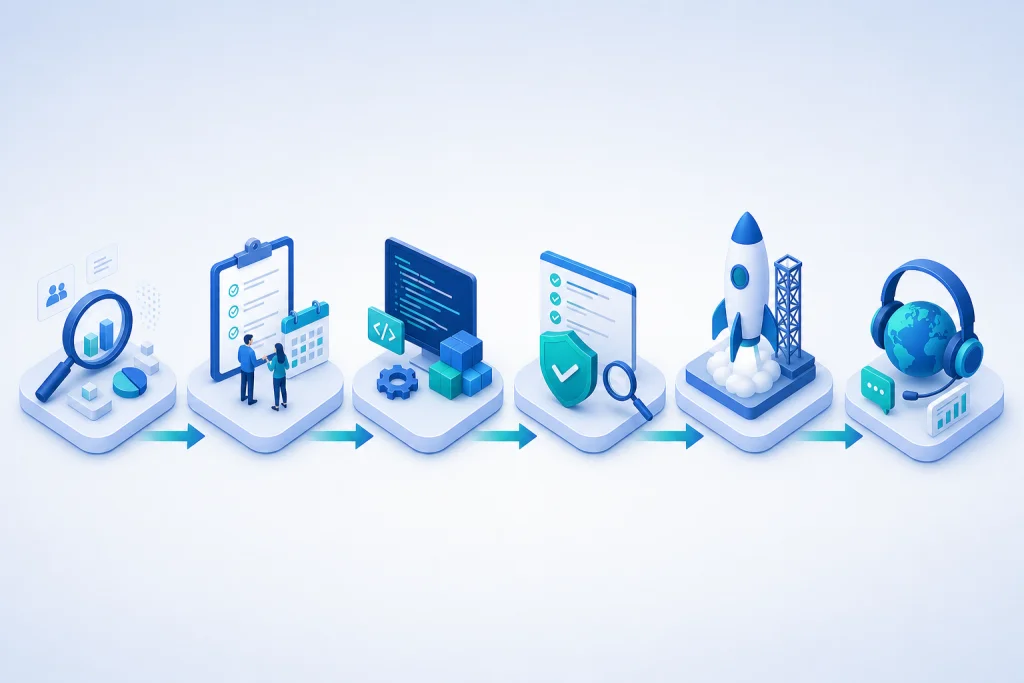
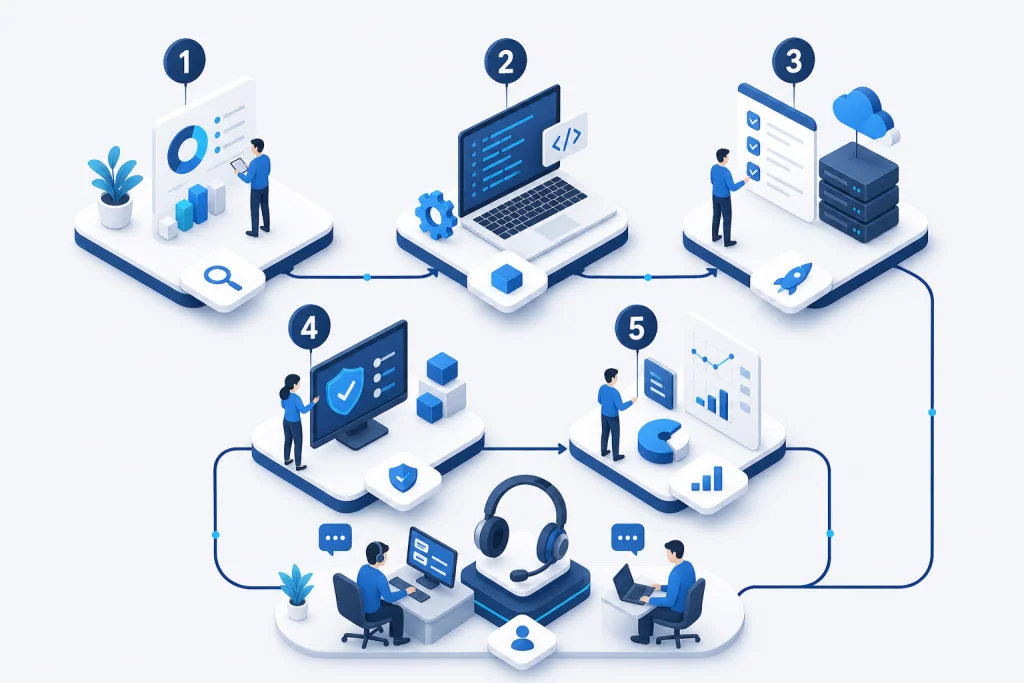
Implementation methodology: Phase 1 - Discovery: Inventory all software assets using Veeam ONE for virtualization monitoring. Phase 2 - Analysis: Map licenses to usage with Microsoft's SAM toolkit. Phase 3 - Optimization: Right-size licenses, true-up/down, and adopt subscription for transient workloads. Phase 4 - Governance: Deploy Enterprise WiFi for secure access control to licensed software. This structured approach ensures repeatable savings and compliance.